
 Bitten or stung?
 All animals
 Pick a continent
 Africa
 Asia
 Europe
 South America
 Australia & Oceania
 Antarctica
 Pacific Ocean
 Atlantic Ocean
 Indian Ocean
 Arctic Ocean
 Mediterranean Sea
 Red Sea
 Caribbean Sea
 Coral Sea
 South China Sea
 Philippine Sea
 Andaman Sea
 North Sea
 Timor & Arafura Sea
 Bay of Bengal
 Gulf of California
 Games
 Venom battle
 Animal race
 Field notebook
 Venom TOP lists
 Stay safe
 Surprise me

Colorado River toad
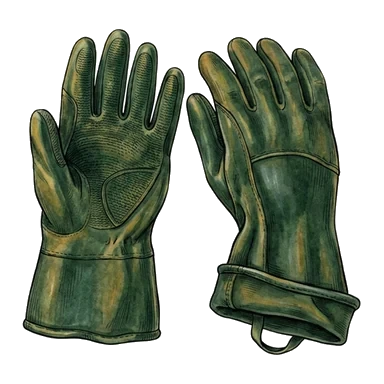 Poison in its skin
The Colorado River toad is a large toad of the deserts of the southwestern United States and northwestern Mexico. It is famous for the toxic, mind-altering secretions it releases from glands in its skin when threatened. These secretions can be deadly if swallowed, so it should be left alone.1
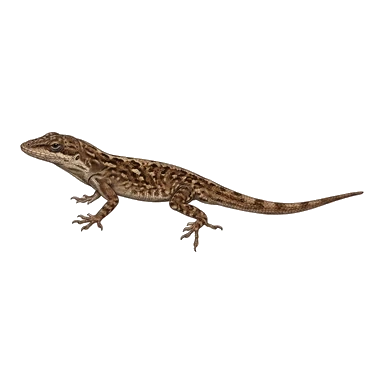
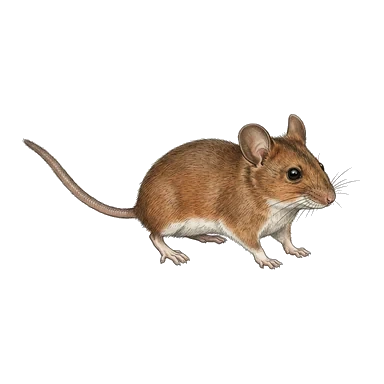
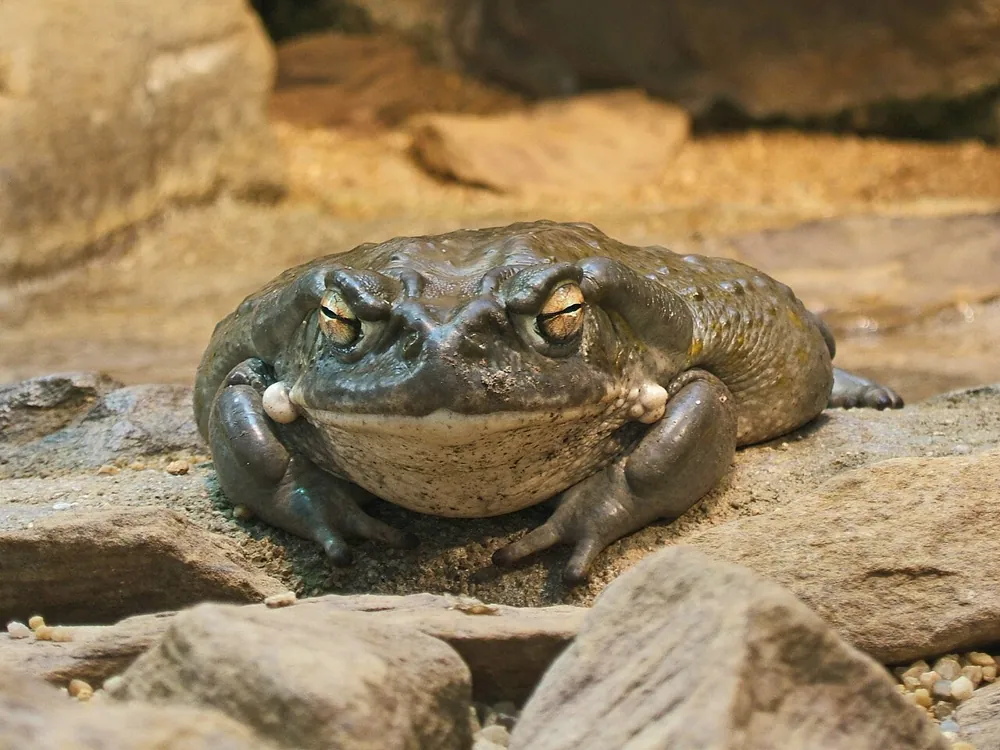
 How to recognise it
Poison power
Its skin is poisonous. It is dangerous to touch, lick or eat.
What does its poison do?
The toad releases poison from glands in its skin, including the large parotoid glands behind the eyes. The poison contains psychoactive compounds, including 5-MeO-DMT and bufotenin, which affect the brain. It also contains digoxin-like cardiac glycosides, which act on the heart, and swallowing the poison can be fatal.1
How dangerous is it to people?
Danger to people: SeriousIf someone touches or eats it, see a doctor. Deaths are very rare.The poison is potent enough to kill a grown dog, and dogs that attack toads have been paralysed or killed. People have been poisoned after swallowing toad secretions or eggs, and related toad preparations, such as the Chinese medicine ch'an su, have caused deaths.1
What does it do when it is scared?
When threatened, it releases toxins from glands in its skin.1
 If someone touched or ate it
Always call your emergency number first (for example 112 in Europe, 911 in North America, 000 in Australia).
- Wash skin and hands well with water after touching it, and do not touch your eyes or mouth. If the poison gets in the mouth, rinse it out. If someone swallows it or has a racing heart, vomiting or trouble breathing, call the emergency number or poison centre at once. If a dog mouths one, rinse its mouth with water and go to a vet.1
- If someone touched one: wash the hands well and do not touch the eyes or mouth. If a child or pet licked or ate one: call your poison centre or emergency number.
This is general first aid guidance, not medical advice. Based on the first aid guidelines of the World Health Organization and the Australian Resuscitation Council. Facts come from public sources and may contain mistakes. When in doubt, always get medical help. First aid basics
 Stay safe
- Never touch, catch or tease a wild animal, even a small one, and even if it looks asleep or dead.
- Give it space. If you meet one, stay calm, step back slowly and let it go its own way.
- If you touched or ate it: do not rub your eyes or mouth, wash your hands and get medical help.
It is not out to get you. Its poison is only there so that nothing eats it. More about staying safe
Where in the world?
How big is it?
How long is it?
 as long as 2 bank cards end to end
 could cover 100 metres in 180 seconds (the fastest human needs 9.6)
How big is Colorado River toad compared to you?
Just maths in your browser. Nothing is saved or sent anywhere.
How fast is it?


Facts
It is the only toad species in which bufotenin is present in large enough amounts to have a psychoactive effect.1
Raccoons have learned to pull a toad away from water by its back leg, turn it over and feed on its belly, which keeps them away from the poison glands.1
Unlike most vertebrates, it gets most of its water by absorbing it across its belly through a special area of skin called the seat patch.1
A female can lay up to 8,000 eggs.1
It is the largest toad in the United States, apart from the non-native cane toad.1
Myth buster
Myth: Licking or smoking the toad's secretions is a safe way to get high or to treat illness.
Truth: Swallowing the secretions has caused poisonings and deaths. Claims about its therapeutic use are unverified, and the US National Park Service has warned people not to handle or lick the toad.1
For venom experts
- Scientific name
- Incilius alvarius
- Group
- Poison frogs, toads & newts
- Also called
- Sonoran Desert toad1
- Family
- Bufonidae2
- Order
- Anura
- Continents
- North America
- Babies
- Females lay eggs in ponds, slow-moving streams, temporary pools or man-made structures that hold water, and can lay up to 8,000 eggs in a long tube of jelly.1
- How it is doing in the wild
- Least Concern (IUCN). It is listed as threatened in New Mexico and California. A June 2025 study found that persistent trapping in Mexico has decimated several populations and put the species at risk of extinction.1
- Danger to people
- 3 / 5: Serious3
Where the facts come from
- Colorado River toad (Wikipedia (CC BY-SA 4.0))
- Incilius alvarius (iNaturalist): names and classification.
- Venom Wiki: the danger level, the typical size and the speed guess are our own. See how we work them out: How we rate danger.
Every fact on this page has a number that points to its source. If we got something wrong, sorry, we are animal fans, not a science journal. Tell us at [email protected] and we will fix it.
Get the Venom Wiki app
Every creature, every picture and the games in your pocket, even without internet.


 Support Venom Wiki Venom Wiki is a one-man project: free, with no ads and no cookies. A small tip helps keep it online.Feed the scorpion
More from the same group: Poison frogs, toads & newts
 Cane toadPoison frogs, toads & newtsNeeds a doctorDo not touch
 Strawberry poison-dart frogPoison frogs, toads & newtsPainfulDo not touch
 California newtPoison frogs, toads & newtsCan killDo not touch
 Rough-skinned newtPoison frogs, toads & newtsCan killDo not touch
 Panamanian golden frogPoison frogs, toads & newtsNeeds a doctorDo not touch
 Green and black poison dart frogPoison frogs, toads & newtsPainfulDo not touch
 Terciopelo
 Eastern coral snake
 Eastern diamondback rattlesnake
 Timber rattlesnake
 Western diamondback rattlesnake
 Arizona bark scorpion
