
 Bitten or stung?
 All animals
 Pick a continent
 Africa
 Asia
 Europe
 South America
 Australia & Oceania
 Antarctica
 Pacific Ocean
 Atlantic Ocean
 Indian Ocean
 Arctic Ocean
 Mediterranean Sea
 Red Sea
 Caribbean Sea
 Coral Sea
 South China Sea
 Philippine Sea
 Andaman Sea
 North Sea
 Timor & Arafura Sea
 Bay of Bengal
 Gulf of California
 Games
 Venom battle
 Animal race
 Field notebook
 Venom TOP lists
 Stay safe
 Surprise me

Tiger rattlesnake
 Bites
The tiger rattlesnake is a small rattlesnake with a very venomous bite. It lives in the deserts and rocky hills of the southwestern United States and northwestern Mexico. Its venom is among the most toxic of any rattlesnake, so it is important to recognise it and give the right first aid after a bite.1
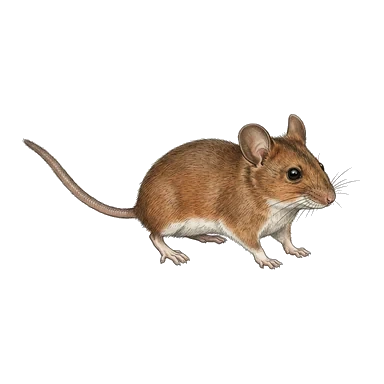
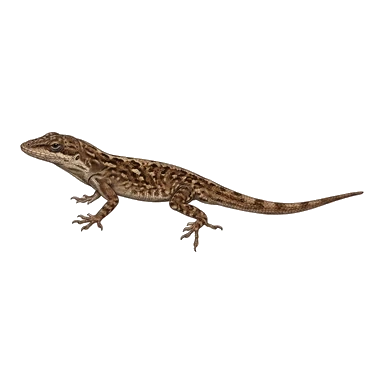
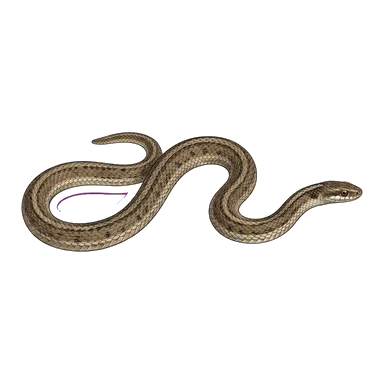
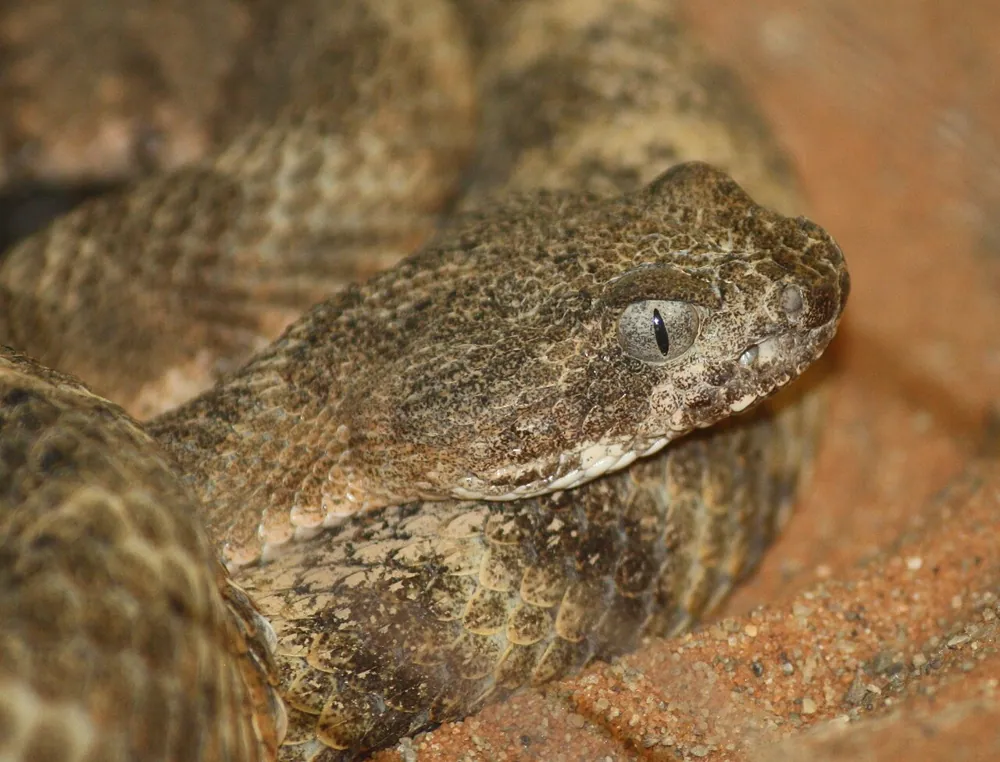
 How to recognise it
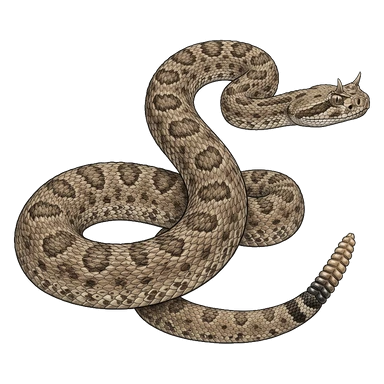
- It has a small, spade-shaped head. It is the smallest head of any rattlesnake, and it is about 1/25 of its total body length.1
- It has 35 to 52 narrow gray, olive or brown crossbands along the back. It is the only rattlesnake with crossbands on the front part of its body, and they can look like vertical stripes from the side.1
- The ground colour is gray, lavender, blue-gray, pink or buff, and it often turns pink, pale orange or cream on the sides.1
- A dark cheek strip is the most distinct mark on the head.1
- It has a large rattle.1
Venom power
Venom comes out through its fangs or teeth when it bites.
What does its venom do?
Its venom contains a myotoxin, which damages muscle tissue and can cause muscle necrosis (death of muscle cells). It also contains a neurotoxin, which attacks the nerves and is similar to Mojave toxin. In recorded human bites, there was little local pain or swelling, and no significant whole-body (systemic) symptoms.1
How dangerous is it to people?
Danger to people: SeriousA bite needs a doctor. Deaths are very rare.Human bites by this snake are infrequent, and few cases have been recorded. Its venom is very toxic, but its low venom yield and short fangs probably prevent severe envenoming in adults. The clinical picture could be much more serious for children or for people of slight build.1
 Good news: doctors have a medicine (antivenom) or a treatment for this.1
What does it do when it is scared?
If disturbed, it rapidly shakes its rattle and may strike in defence, and it has an irascible (easily angered) temperament.1
 If it bites
Always call your emergency number first (for example 112 in Europe, 911 in North America, 000 in Australia).
- Call the emergency number and get to hospital straight away, even if the bite seems mild, because antivenom may be needed. Keep the person calm and still, and remove rings or tight items near the bite. Do not cut, suck, use ice or a tight bandage.1
- Keep the person still and calm, keep the bitten limb at heart level, remove rings and tight things, and get to a hospital fast.
This is general first aid guidance, not medical advice. Based on the first aid guidelines of the World Health Organization and the Australian Resuscitation Council. Facts come from public sources and may contain mistakes. When in doubt, always get medical help. First aid basics
 Stay safe
- Never touch, catch or tease a wild animal, even a small one, and even if it looks asleep or dead.
- Give it space. If you meet one, stay calm, step back slowly and let it go its own way.
- If one bites you: stay calm, keep still, call your emergency number (for example 112 in Europe, 911 in North America, 000 in Australia) or get to a hospital fast. Remember what it looked like, a photo helps.
It is not out to get you. It uses its venom to catch food or to protect itself, and it would much rather hide. More about staying safe
Where in the world?
How big is it?
How long is it?
How heavy is it?
 as long as 2 house cats nose to tail
 as long as 5 bananas end to end
 could cover 100 metres in 100 seconds (the fastest human needs 9.6)
How big is Tiger rattlesnake compared to you?
Just maths in your browser. Nothing is saved or sent anywhere.
How fast is it?


Facts
Its venom yield is small, but its toxicity is considered second highest of all rattlesnake venoms, after the Mojave rattlesnake.1
It has the smallest head of any rattlesnake, which helps it reach into small crevices to pull out prey that has crawled into them.1
Although it is a ground-dweller, it swims readily and has been found in bushes about 60 cm above the ground.1
Rattlesnake venom is used in biomedical research into neurological diseases.1
It is nocturnal during the hot summer, but becomes active during the day and at dusk in the autumn.1
Myth buster
Myth: Its small head and short fangs mean its bite is harmless.
Truth: Its venom is very toxic. Its small size and low venom yield probably prevent severe harm in adults, but children and slightly built people could be seriously affected.1
For venom experts
- Scientific name
- Crotalus tigris
- Group
- Rattlesnakes
- Also called
- Tiger rattler1
- Family
- Viperidae2
- Order
- Squamata
- Continents
- North America
- Babies
- It gives birth to live young, with an average litter of five. The young develop inside eggs in a thin sac in the mother's body, and they are well developed at birth.1
- How it is doing in the wild
- Least Concern1
- Danger to people
- 3 / 5: Serious3
Where the facts come from
- Tiger rattlesnake (Wikipedia (CC BY-SA 4.0))
- Crotalus tigris (iNaturalist): names and classification.
- Venom Wiki: the danger level, the typical size and the speed guess are our own. See how we work them out: How we rate danger.
Every fact on this page has a number that points to its source. If we got something wrong, sorry, we are animal fans, not a science journal. Tell us at [email protected] and we will fix it.
Get the Venom Wiki app
Every creature, every picture and the games in your pocket, even without internet.


 Support Venom Wiki Venom Wiki is a one-man project: free, with no ads and no cookies. A small tip helps keep it online.Feed the scorpion
 Eastern diamondback rattlesnake
 Timber rattlesnake
 Western diamondback rattlesnake
 Sidewinder
 Mojave rattlesnake
 Aruba rattlesnake
 Terciopelo
 Eastern coral snake
 Arizona bark scorpion
 Brown recluse
 Cane toad
 Cottonmouth
