
 Bitten or stung?
 All animals
 Pick a continent
 Africa
 Asia
 Europe
 South America
 Australia & Oceania
 Antarctica
 Pacific Ocean
 Atlantic Ocean
 Indian Ocean
 Arctic Ocean
 Mediterranean Sea
 Red Sea
 Caribbean Sea
 Coral Sea
 South China Sea
 Philippine Sea
 Andaman Sea
 North Sea
 Timor & Arafura Sea
 Bay of Bengal
 Gulf of California
 Games
 Venom battle
 Animal race
 Field notebook
 Venom TOP lists
 Stay safe
 Surprise me

Western rattlesnake
 Bites
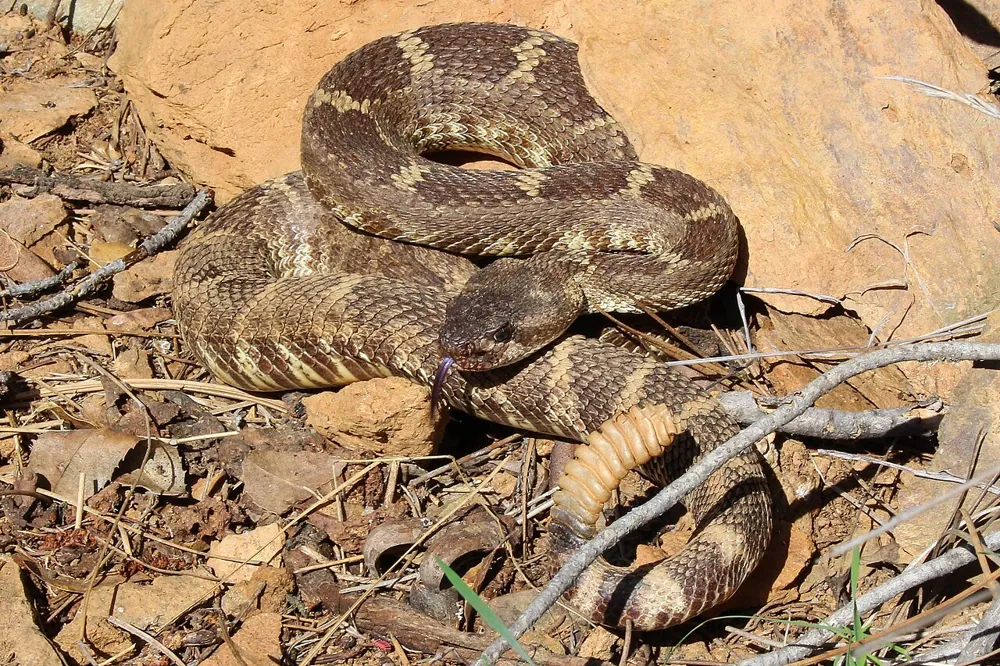
The Western rattlesnake is a venomous pit viper that lives across western North America, from the Baja California Peninsula in Mexico to the southern interior of British Columbia in Canada. It is one of only three rattlesnake species still found in Canada, which is why its populations there matter.1
 How to recognise it
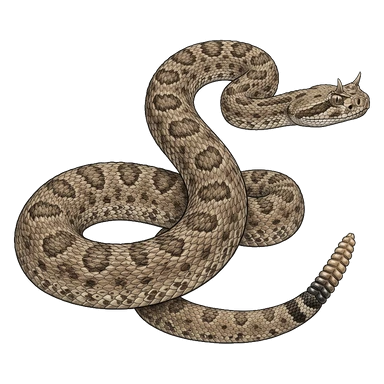
- Ground colour is dark brown, dark grey, olive-brown, or sometimes black or pale yellowish.1
- Large dark blotches run along the back, with uneven white edges, and are wider than the gaps between them.1
- A dark brown stripe with a white border runs from the eye to the angle of the jaw.1
- The belly is pale yellow, usually with brown spots.1
- Juveniles have clearer patterns that fade as the snake matures. The last two tail rings, at the base of the tail, are usually black.1
Venom power
Venom comes out through its fangs or teeth when it bites.
What does its venom do?
Its venom is both hemotoxic, meaning it damages blood and tissue, and neurotoxic, meaning it affects the nerves. In prey, it can cause paralysis, which stops the animal escaping. In people it is linked with cardiovascular effects, internal bleeding and headaches.1
How dangerous is it to people?
Danger to people: SeriousA bite needs a doctor. Deaths are very rare. If it bites
Always call your emergency number first (for example 112 in Europe, 911 in North America, 000 in Australia).
- Call 911 (or your local emergency number) and get to hospital fast, as antivenom may be needed. Keep the person calm and still, remove rings and tight items, and keep the bitten limb at rest. Do not use a tourniquet, cut, suck or put ice on the bite.1
- Keep the person still and calm, keep the bitten limb at heart level, remove rings and tight things, and get to a hospital fast.
This is general first aid guidance, not medical advice. Based on the first aid guidelines of the World Health Organization and the Australian Resuscitation Council. Facts come from public sources and may contain mistakes. When in doubt, always get medical help. First aid basics
 Stay safe
- Never touch, catch or tease a wild animal, even a small one, and even if it looks asleep or dead.
- Give it space. If you meet one, stay calm, step back slowly and let it go its own way.
- If one bites you: stay calm, keep still, call your emergency number (for example 112 in Europe, 911 in North America, 000 in Australia) or get to a hospital fast. Remember what it looked like, a photo helps.
It is not out to get you. It uses its venom to catch food or to protect itself, and it would much rather hide. More about staying safe
Where in the world?
How big is it?
How long is it?
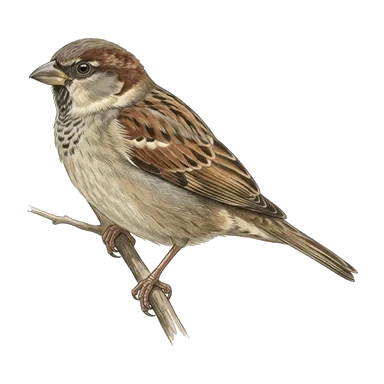
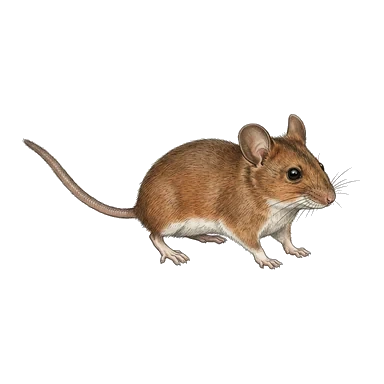
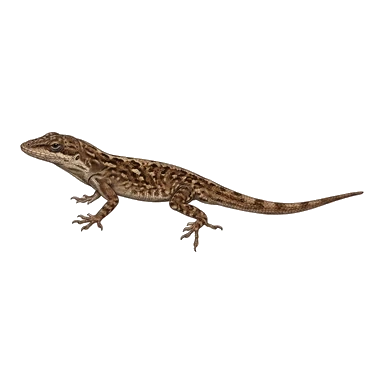
 as long as 3 house cats nose to tail
 as long as 9 bananas end to end
 could cover 100 metres in 97 seconds (the fastest human needs 9.6)
How big is Western rattlesnake compared to you?
Just maths in your browser. Nothing is saved or sent anywhere.
How fast is it?


Facts
Its size depends on where it lives and on its diet. Snakes that eat lizards are much smaller than those that eat birds and mammals.1
The largest recorded Western rattlesnake measured 162.6 cm, but mainland adults often reach about 100 cm.1
It makes seasonal migrations between winter and summer habitats to follow its prey.1
Mating snakes are very sensitive to disturbance and quickly separate.1
Most females breed every two years, although about 10% breed in two years in a row.1
For venom experts
- Scientific name
- Crotalus oreganus
- Group
- Rattlesnakes
- Also called
- northern Pacific rattlesnake, California rattlesnake, Oregon rattlesnake1
- Family
- Viperidae2
- Order
- Squamata
- Continents
- North America
- Babies
- It gives birth to live young, usually 3 to 8 per litter (1 to 15 is the range), in August or September. Newborns are about 19 to 28 cm long.1
- How it is doing in the wild
- Threatened in Canada (Schedule 1 federally threatened under Canada's Species at Risk Act). Previously listed as Least Concern on the IUCN Red List.1
- Danger to people
- 3 / 5: Serious3
Where the facts come from
- Crotalus oreganus (Wikipedia (CC BY-SA 4.0))
- Crotalus oreganus (iNaturalist): names and classification.
- Venom Wiki: the danger level, the typical size and the speed guess are our own. See how we work them out: How we rate danger.
Every fact on this page has a number that points to its source. If we got something wrong, sorry, we are animal fans, not a science journal. Tell us at [email protected] and we will fix it.
Get the Venom Wiki app
Every creature, every picture and the games in your pocket, even without internet.


 Support Venom Wiki Venom Wiki is a one-man project: free, with no ads and no cookies. A small tip helps keep it online.Feed the scorpion
 Eastern diamondback rattlesnake
 Timber rattlesnake
 Western diamondback rattlesnake
 Sidewinder
 Mojave rattlesnake
 Aruba rattlesnake
 Terciopelo
 Eastern coral snake
 Arizona bark scorpion
 Brown recluse
 Cane toad
 Cottonmouth
