
 Afrika
 Asien
Asien Europa
 Südamerika
 Australien & Ozeanien
 Antarktis
 Pazifischer Ozean
 Atlantischer Ozean
 Indischer Ozean
 Nordpolarmeer
 Mittelmeer
 Rotes Meer
 Karibisches Meer
 Korallenmeer
 Südchinesisches Meer
 Philippinensee
 Andamanensee
 Nordsee
 Timorsee & Arafurasee
 Golf von Bengalen
 Golf von Kalifornien
Marbled spinefoot
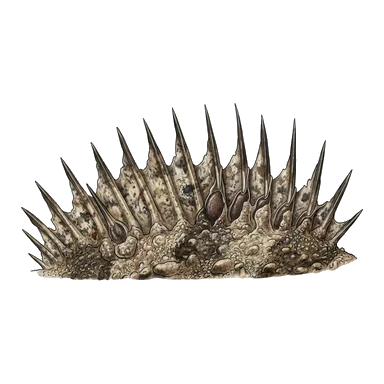 Giftstacheln
The marbled spinefoot is a shoaling fish that mostly eats algae. It lives in shallow warm seas in the Red Sea and western Indian Ocean, and it has spread into the Mediterranean. Its spines carry venom, so it is one to leave alone.1
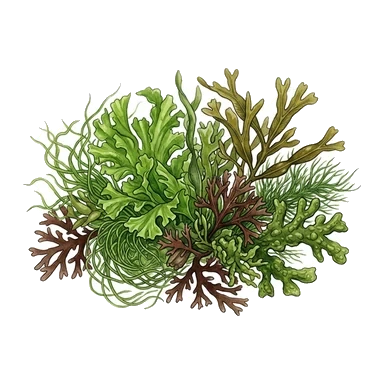
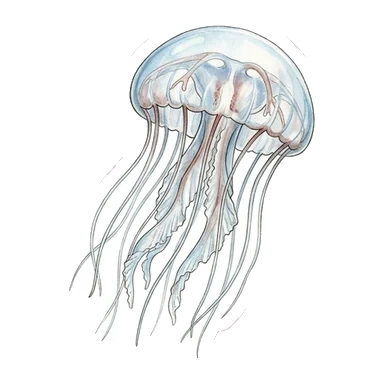
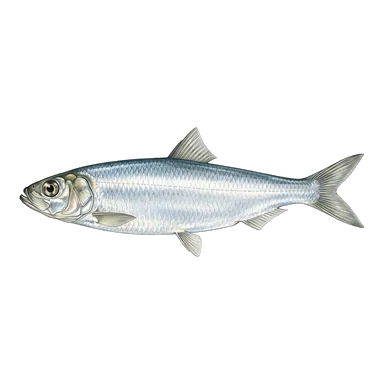
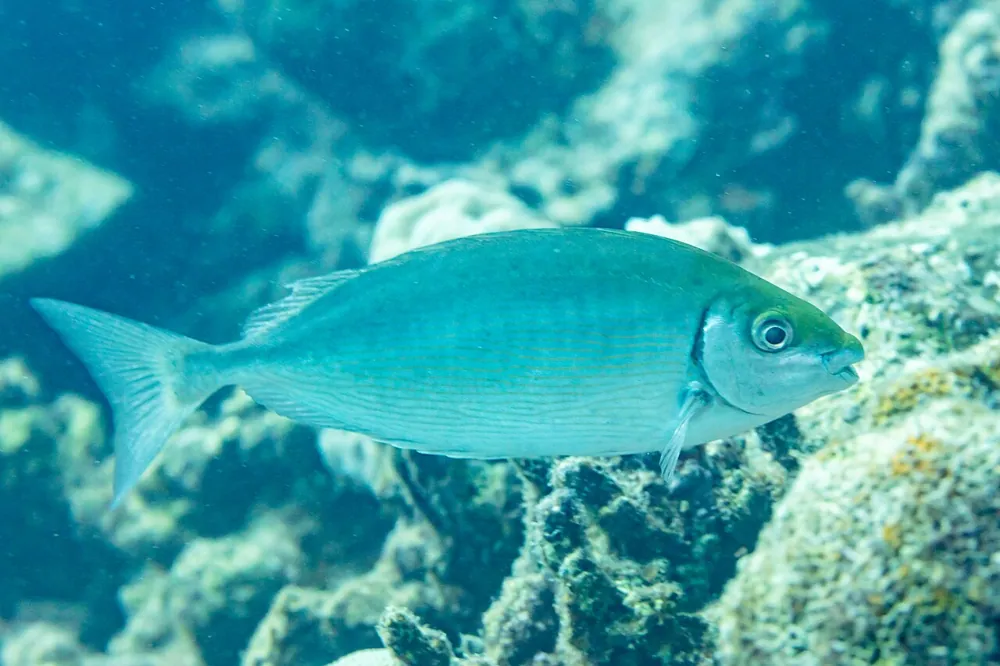
 So erkennst du es
,_Yeda,_Arabia_Saudita,_2025-05-19,_DD_86.jpg)
Giftkraft
Spitze Stacheln tragen das Gift. Drauftreten oder Anfassen tut weh.
Was macht sein Gift, wenn es beißt oder sticht?
The spines in the fins have venom glands at their base. The venom is a protein that is damaged by heat. The sting is very painful.1
Wie gefährlich ist es für Menschen?
Gefahr für Menschen: SchmerzhaftEs kann richtig wehtun, ist aber fast nie gefährlich.The spines can inflict a painful sting if the fish is handled incorrectly. No deaths from its venom have been recorded. Separately, poisoning has been recorded in Israel after people ate its flesh, linked to fish caught in polluted water.1
Was macht es, wenn es Angst hat?
Its spines are barbed and venomous, and they can injure anyone who handles the fish carelessly.1
 Wenn dich seine Stacheln stechen
- The affected area should be treated with as high a temperature as possible, within 43 to 46 °C, because heat damages the venom. The person should also be checked for possible infection.1
- Leg die Wunde in heißes Wasser, so heiß, wie die Person es aushält, ohne sich zu verbrühen (prüf es mit deiner eigenen Hand), 30 bis 90 Minuten lang. Hol ärztliche Hilfe, besonders bei Steinfischen und Stachelrochen.
Ruf immer zuerst deine Notrufnummer an (112, 000, 911). Das sind allgemeine Erste-Hilfe-Hinweise, keine ärztliche Beratung. Erste-Hilfe-Grundlagen
 Bleib sicher
- Fass ein wildes Tier niemals an, fang es nicht und ärgere es nicht, auch kein kleines, und auch nicht, wenn es schlafend aussieht oder tot.
- Halte Abstand. Wenn du einem begegnest, bleib ruhig, geh langsam zurück und lass es seiner Wege gehen.
- Wenn dich seine Stacheln stechen: Bleib ruhig, halt still, ruf deine Notrufnummer an (112, 000, 911) oder fahr schnell in ein Krankenhaus. Merk dir, wie es aussah, ein Foto hilft.
Es hat es nicht auf dich abgesehen. Es benutzt sein Gift, um Futter zu fangen oder sich zu schützen, und versteckt sich viel lieber. Mehr über Sicherheit
Wo auf der Welt?
Wie groß ist es?
Wie lang ist es?
 so lang wie 2 Bananen hintereinander
 so lang wie 12 Bausteine in einer Reihe
 könnte die Länge eines großen Schwimmbeckens (50 m) in 35 Sekunden schwimmen
Wie groß ist Marbled spinefoot im Vergleich zu DIR?
Nur Rechnen in deinem Browser. Nichts wird gespeichert oder irgendwohin geschickt.
Wie schnell ist es?
Fakten
Some people have reported hallucinations after eating it.1
Eating its flesh has caused poisoning, and the toxins involved are similar to ciguatoxin.1
Its spines carry venom from glands at their base, so the fish can sting when it is handled.1
Adults can eat jellyfish, including comb jellies and moon jellyfish, in parts of the northern Red Sea.1
It reached the Mediterranean through the Suez Canal, first recorded off Palestine in 1927.1
It can be bred in captivity and is being studied as a farmed fish because it eats plant-based feed.1
Für Giftexperten
- Wissenschaftlicher Name
- Siganus rivulatus
- Gruppe
- Giftfische
- Familie
- Siganidae2
- Ordnung
- Acanthuriformes
- Kontinente
- Indischer Ozean, Rotes Meer, Mittelmeer, Arabisches Meer & Persischer Golf, Die Ozeane
- Babys
- The fish lays eggs, which are fertilised outside the body. The eggs are 0.5 to 0.6 mm across, and the adults give them no care.1
- Gefahr für Menschen
- 2 / 5: Schmerzhaft3
Woher die Fakten kommen
- Siganus rivulatus (Wikipedia (CC BY-SA 4.0))
- Siganus rivulatus (iNaturalist): Namen und Klassifikation.
- Venom Wiki: die Gefahrenstufe, die typische Größe und die geschätzte Geschwindigkeit sind von uns. So berechnen wir sie: So bewerten wir die Gefahr.
Jeder Fakt auf dieser Seite hat eine Nummer, die auf seine Quelle zeigt. Wenn wir etwas falsch haben: Entschuldigung, wir sind Tierfans, keine Fachzeitschrift. Schreib uns an [email protected] und wir korrigieren es.
 Der Skorpion hat Hunger! Venom Wiki ist ein Ein-Mann-Projekt: kostenlos, ohne Werbung und ohne Tracker. Ein kleines Trinkgeld hilft, es online zu halten.Füttere den Skorpion
Mehr aus derselben Gruppe: Giftfische
 Reef stonefishGiftfischeKann tötenNicht anfassen
 Red lionfishGiftfischeBraucht einen ArztNicht anfassen
 Estuarine stonefishGiftfischeKann tötenNicht anfassen
 Short-tail stingrayGiftfischeKann töten
 Striped eel catfishGiftfischeKann tötenNicht anfassen
 Bluespotted ribbontail rayGiftfischeBraucht einen Arzt
Lebt auch in: Indischer Ozean
 Australian box jellyfishQuallen & Nesseltiere im MeerTödlichNicht anfassen
 Geography coneKegelschnecken & KrakenTödlich
 Greater blue-ringed octopusKegelschnecken & KrakenTödlich
 Southern blue-ringed octopusKegelschnecken & KrakenTödlich
 Hawksbill sea turtleAndere passiv giftige TiereKann töten
 Irukandji jellyfishQuallen & Nesseltiere im MeerKann tötenNicht anfassen