
 África
 Asia
Asia Europa
 Sudamérica
 Australia y Oceanía
 Antártida
 Océano Pacífico
 Océano Atlántico
 Océano Índico
 Océano Ártico
 Mar Mediterráneo
 Mar Rojo
 Mar Caribe
 Mar del Coral
 Mar de China Meridional
 Mar de Filipinas
 Mar de Andamán
 Mar del Norte
 Mar de Timor y de Arafura
 Golfo de Bengala
 Golfo de California
Sidewinder
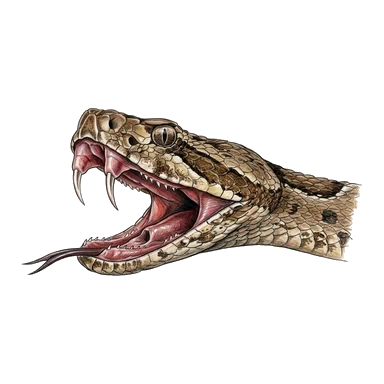 Mordeduras
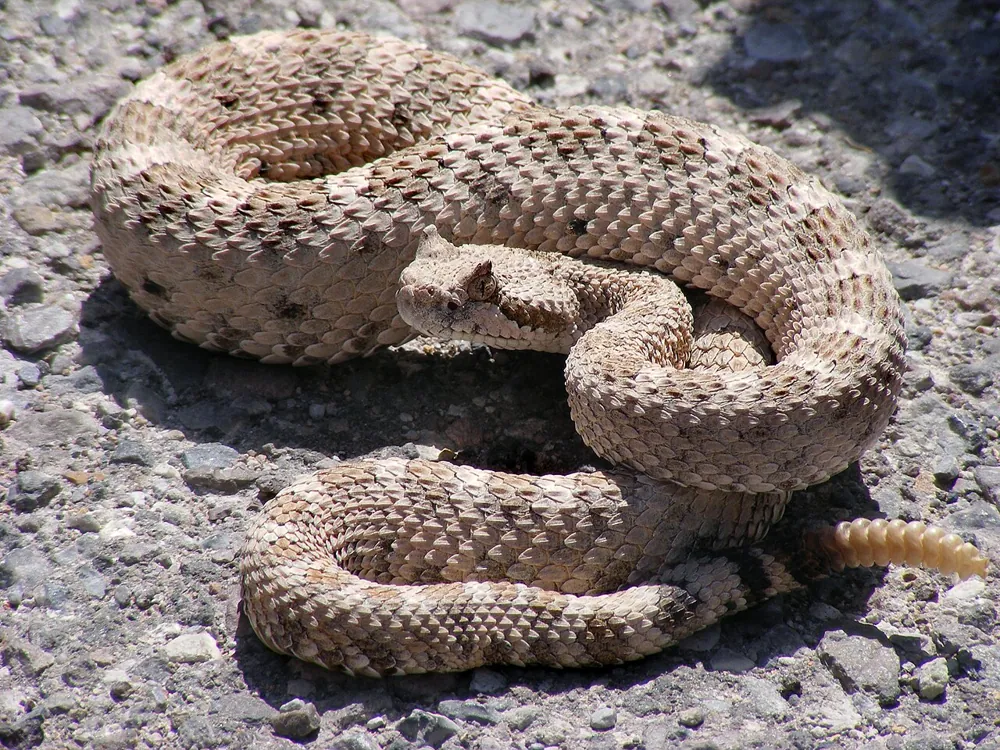
The sidewinder is a small rattlesnake that lives in the deserts of the south-western United States and north-western Mexico. It gets its name from the unusual sideways way it moves over loose sand. It is venomous, but its venom is weaker than that of many other rattlesnakes.1
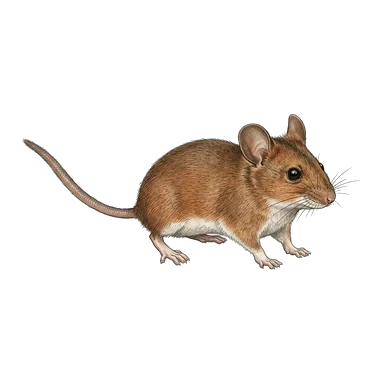
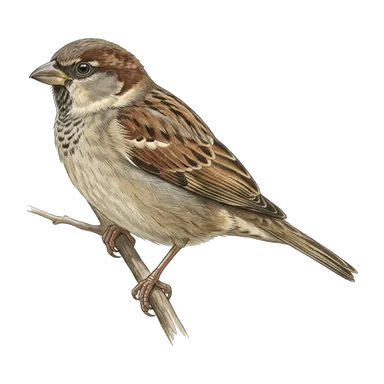
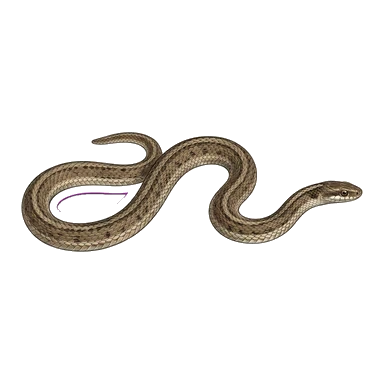
 Cómo reconocerlo
- Small, measuring 43 to 80 cm in total length including the tail.1
- Raised scales above the eyes give it horns.1
- The ground colour may be cream, buff, yellowish-brown, pink or ash grey, with 28 to 47 darker blotches along the back.1
- It moves with a sidewinding motion, leaving a J-shaped track in the sand with the tip of the hook pointing in the direction of travel.1
- Females are larger than males, which is unusual among United States rattlesnakes.1
Poder del veneno
El veneno sale por sus colmillos o dientes cuando muerde.
¿Qué hace su veneno?
The venom causes pain, swelling and bruising, and can create bleeding blisters. Symptoms can include nausea, dizziness, chills, blood clotting disorders and shock. In one recorded case, a bitten man's whole arm was badly swollen and very painful within about 2.5 hours.1
¿Qué peligro tiene para las personas?
Peligro para las personas: GraveUna mordedura necesita médico. Las muertes son muy raras.Its venom is weaker than that of many other rattlesnakes, and its venom glands are smaller, so it is less dangerous than its larger relatives. Any rattlesnake bite can still be fatal and should be taken seriously.1
 Buena noticia: los médicos tienen un medicamento (antídoto) o un tratamiento para esto.1
 Si muerde
- Seek medical attention immediately after any rattlesnake bite. Consult a local expert or regional poison control centre before giving antivenom.1
- Mantén a la persona quieta y tranquila, la extremidad mordida a la altura del corazón, quítale anillos y cosas apretadas y llévala rápido a un hospital.
Llama siempre primero a tu número de emergencias (112, 000, 911). Esto son pautas generales de primeros auxilios, no consejo médico. Primeros auxilios básicos
 Mantente a salvo
- Nunca toques, atrapes ni molestes a un animal salvaje, aunque sea pequeño y aunque parezca dormido o muerto.
- Déjale espacio. Si te encuentras uno, mantén la calma, retrocede despacio y deja que siga su camino.
- Si te muerde: mantén la calma, no te muevas, llama a tu número de emergencias (112, 000, 911) o ve rápido a un hospital. Recuerda cómo era, una foto ayuda.
No va a por ti. Usa su veneno para cazar o defenderse, y prefiere mil veces esconderse. Más sobre cómo protegerte
¿En qué parte del mundo?
¿Qué tamaño tiene?
¿Cuánto mide?
 mide como 1,5 gatos domésticos de la nariz a la cola
 mide como 4 plátanos puestos en fila
 podría recorrer 100 metros en 12 segundos (el humano más rápido necesita 9,6)
¿Qué tamaño tiene Sidewinder comparado contigo?
Solo cálculos en tu navegador. No se guarda ni se envía nada a ningún sitio.
¿Qué velocidad alcanza?

Datos
The AIM-9 Sidewinder missile was named after this snake, because both use infrared signals to track their targets.1
Juveniles and adults use different hunting methods. Juveniles lure lizards with fast tail movements that look like a moth or slower ones that look like a caterpillar.1
The raised scales above its eyes may shade the eyes or stop sand drifting over them. When the snake strikes against a burrow roof, pressure on these horns folds them down, which is thought to protect the eyes.1
Newborn sidewinders huddle together in a burrow for their first week or so, plugging the entrance during the day. Their combined body heat keeps the group at an average of about 32 °C, which is warm enough for shedding.1
Sidewinding is also used by other desert snakes, such as the horned adder and Peringuey's adder, and by robots that copy this movement.1
Para expertos en veneno
- Nombre científico
- Crotalus cerastes
- Grupo
- Serpientes de cascabel
- Familia
- Viperidae2
- Orden
- Squamata
- Continentes
- Norteamérica
- Crías
- It gives birth to live young, usually five to 18 per litter, with an average of about 10.1
- Esperanza de vida
- unos 13 años1
- Cómo le va en la naturaleza
- Least Concern1
- Peligro para las personas
- 3 / 5: Grave3
De dónde salen los datos
- Crotalus cerastes (Wikipedia (CC BY-SA 4.0))
- Crotalus cerastes (iNaturalist): nombres y clasificación.
- Venom Wiki: el nivel de peligro, el tamaño típico y la velocidad estimada son nuestros. Mira cómo los calculamos: Cómo valoramos el peligro.
Cada dato de esta página tiene un número que lleva a su fuente. Si nos hemos equivocado en algo, perdón, somos fans de los animales, no una revista científica. Escríbenos a [email protected] y lo arreglamos.
 ¡El escorpión tiene hambre! Venom Wiki es un proyecto de una sola persona: gratis, sin anuncios y sin rastreadores. Una pequeña propina ayuda a mantenerlo en línea.Alimenta al escorpión
Más del mismo grupo: Serpientes de cascabel
 Eastern diamondback rattlesnakeSerpientes de cascabelPuede matar
 Timber rattlesnakeSerpientes de cascabelPuede matar
 Western diamondback rattlesnakeSerpientes de cascabelPuede matar
 Mojave rattlesnakeSerpientes de cascabelPuede matar
 Aruba rattlesnakeSerpientes de cascabelNecesita médico
 Black-tailed rattlesnakeSerpientes de cascabelNecesita médico
 Terciopelo
 Eastern coral snake
 Eyelash viper
 Arizona bark scorpion
 Brown recluse
 Cane toad