
 Afirik
 Aazi
Aazi Orop
Orop Amerik Sud
 Ostarali e Oseyani
 Antarktik
 Geeci Pasifik
 Geeci Atlantik
 Geeci Enndo
 Geeci Arktik
 Geeci Mediteraane
 Geeci Boɗeewi
 Geeci Karayib
 Geeci Korayl
 Geeci Siin Sud
 Geeci Filipiin
 Geeci Andaman
 Geeci Nord
 Geeci Timor e Arafura
 Gulf Bengal
 Gulf Kaliforni
Bobbit worm
 Ŋatgol
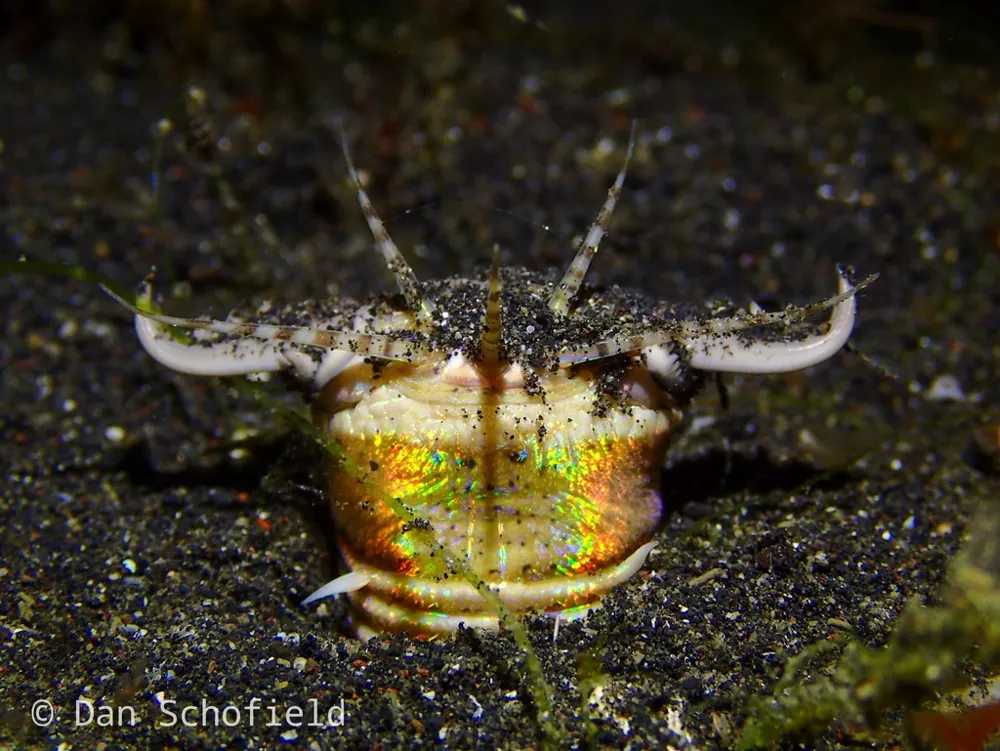
The bobbit worm is a long, slim sea worm that hides in the sand or mud on the ocean floor. It waits with its whole body buried, then strikes passing fish and other prey with sharp jaws. It lives in warm seas, mainly in the Atlantic and the Indo-Pacific, and can grow to nearly 3 metres long.1


 Hono anndirtee ngal
Doole tooke ŋatgol
Tooke no yaltira ñiiƴe mum tuma ngal ŋatata.
Hono musiiba mum heewiri e yimɓe?
Musiiba e yimɓe: MuusɗoNo waawi muusugol sanne, kono ko ɓadii kala tuma ɗum wonataa musiiba mawɗo. Si no ŋata
- Waɗ gaañande nden nder ndiyam guleeɗam, guleeɗam no neɗɗo on waawi muñugol tawa sumaani, heɓu ballal doktoro ngam ittugol gaaɗe ɗen. Wota a asu ɗe e hoore maa.
Adii fow noddu nimero ballal (112, 000, 911). Ɗum ko anndinal ballal adiingal, wanaa saaraangal doktoro. Ko adii nder ballal adiingal
 Reen hoore maa
- Wota a meem, wota a nanngu, wota a jalnu kullal ladde haa abada, hay si ko tokooso, hay si no yi'ee no ɗaanii walla maayii.
- Accu ngal nokku. Si a fotti e ngal, deeƴu, ruttu ɓaawo seeɗa seeɗa, accu ngal yaha laawol mum.
- Si gooto e majji ŋatii ma: deeƴu, wota a dillu, noddu nimero ballal (112, 000, 911) walla yahu lopitaan law. Jogo e hakkille no ngal nanndi, natal no walla.
Ngal faalaaka gaañugol ma. Ngal no huutora tooke mum ngam nanngugol ñaamdu walla reenugol hoore mum, ngal ɓuri yiɗugol suuɗaade. Ko ɓeydi fii reenugol hoore maa
Hoto nder aduna?
Hono mawniri?
Hono juutiri?
 juuti no rawaandi 3, hinere haa lawol
 juuti no banaanaaji 17 jokkondirɗi
Hono Bobbit worm mawniri, si fooɗondiraama e AN?
Ko limoore tun nder navigateur maa. Alaa ko danndetee walla ko neldetee ka nokku woo.
Hono yaawiri?


Humpito
It is the longest known member of the polychaete class of bristle worms, with the largest specimen on record reaching 299 cm.1
Some fish mob the worm by directing jets of water into its burrow to disorient it.1
It hunts by burrowing its whole body into soft sediment and waiting until its antennae detect prey.1
Fossil burrows from Miocene rocks in northeastern Taiwan, about 20 million years old, have been linked to this species.1
Despite its length, its body is only about 25.5 mm wide.1
Bonnoowo fenaandeeji
Fenaande: The worm can reproduce by splitting into several pieces.
Goonga: There is no scientific evidence that it reproduces this way. Reports of this appear to come from misreading movement in dead or injured worms. It can regenerate its rear segments, but it reproduces sexually.1
Ngam ganduɓe tooke
- Innde ganndal
- Eunice aphroditois
- Fedde
- Ursenuuji, koode geeci e ngilɗi
- Ɓesngu
- Eunicidae2
- Ordre
- Eunicida
- Leyɗe mawɗe
- Geeci Pasifik, Geeci Enndo, Geeci Atlantik, Geeci Boɗeewi, Geeci Mediteraane, Geeci Karayib, Geeci Timor e Arafura, Oseyanuuji
- Ɓiɓɓe tokosɓe
- It releases sperm and eggs into the water, where fertilisation happens outside the body, and the young drift as larvae before settling and growing into juvenile worms.1
- Musiiba e yimɓe
- 2 / 5: Muusɗo3
Ɗo humpitooji ɗin iwri
- Eunice aphroditois (Wikipedia (CC BY-SA 4.0))
- Eunice aphroditois (iNaturalist): inɗe e ŋoordingol (classification).
- Venom Wiki: tolno musiiba, mawnugol aadaajo e miijo yaawugol ko amen. Ndaar no min ƴeewtirta ɗum: Hono min tolnirta musiiba.
Kala humpito nder ngoo hello no jogii limoore hollirnde iwdi mum. Si min juumii, yaafo, min ko yiɗɓe kulle, wanaa jaaynde ganndal. Haalan min e [email protected], min feewnitan.
 Yaare nden no weelaa! Venom Wiki ko golle neɗɗo gooto: ko yoɓetaake, alaa piiblisite, alaa reweteeɓe. Kopporde tokooso no walla heddingol ɗum e enternet.Ñaamnu yaare nden
Ko ɓeydi e fedde wootere: Ursenuuji, koode geeci e ngilɗi
 Crown-of-thorns starfishUrsenuuji, koode geeci e ngilɗiNo sokli doktoroWota a meem
 Flower urchinUrsenuuji, koode geeci e ngilɗiNo waawi warugol
 Fire urchinUrsenuuji, koode geeci e ngilɗiNo sokli doktoroWota a meem
 Bearded firewormUrsenuuji, koode geeci e ngilɗiNo muusi tunWota a meem
 Black long-spined urchinUrsenuuji, koode geeci e ngilɗiNo muusi tunWota a meem
 BloodwormUrsenuuji, koode geeci e ngilɗiNo muusi tun
No hoɗi kadi nder: Geeci Pasifik
 Australian box jellyfishMeduusiiji e kulle geeci jukkoojeWaroowoWota a meem
 Geography coneKokiyaasi kone e pulpuujiWaroowo
 Greater blue-ringed octopusKokiyaasi kone e pulpuujiWaroowo
 Japanese pufferfishKulle goɗɗe tookeeje ɓannduWaroowo
 Southern blue-ringed octopusKokiyaasi kone e pulpuujiWaroowo
 Hawksbill sea turtleKulle goɗɗe tookeeje ɓannduNo waawi warugol