
 Afirik
 Aazi
Aazi Orop
Orop Amerik Sud
 Ostarali e Oseyani
 Antarktik
 Geeci Pasifik
 Geeci Atlantik
 Geeci Enndo
 Geeci Arktik
 Geeci Mediteraane
 Geeci Boɗeewi
 Geeci Karayib
 Geeci Korayl
 Geeci Siin Sud
 Geeci Filipiin
 Geeci Andaman
 Geeci Nord
 Geeci Timor e Arafura
 Gulf Bengal
 Gulf Kaliforni
California forest scorpion
 Jukkugol
The California forest scorpion is a small scorpion that lives in the Redwood Forests and Oak Woodlands of California. Scientists consider it a foundational species, meaning many other living things in these forests depend on it. It is shy and rarely seen.1

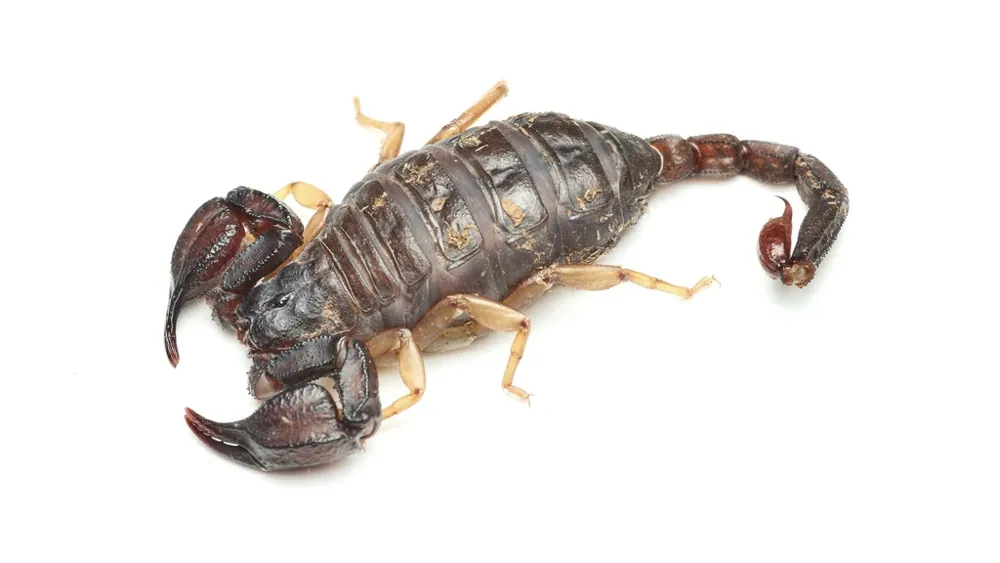
 Hono anndirtee ngal
- Typically dark brown or black, with legs that are translucent yellowish-brown1
- Eight legs and two large claws in front of the mouth1
- A squat body with a thinner tail than many other scorpion species1
- Males are duller in colour, smaller and shorter than females1
- On the underside of the fifth tail segment, a ridge forks into a shape like a 'Y'1
Doole tooke ŋatgol
Tooke no yaltira jukkere.
Ko honɗun tooke mum waɗata (ŋatgol walla jukkugol)?
It is venomous. Its sting is milder than a honeybee's sting.1
Hono musiiba mum heewiri e yimɓe?
Musiiba e yimɓe: SeeɗaNo jukkugol ñaaki walla ko ɓuri famɗugol. Ko ɓadii alaa musiiba e yimɓe.It is described as smaller than a little finger, with a sting milder than a honeybee's. It is so shy that it is most often seen running away.1
Ko honɗun ngal waɗata si ngal hulii?
It is most often seen running away rather than standing its ground.1
 Si no jukka
- Ɓuuɓnu nokku jukkaaɗo on e galaasi, haɗu neɗɗo on dillagol. Heɓu ballal doktoro law, ɓuri noon e sukaaɓe: yaare goɗɗe no mbara sukaaɓe.
Adii fow noddu nimero ballal (112, 000, 911). Ɗum ko anndinal ballal adiingal, wanaa saaraangal doktoro. Ko adii nder ballal adiingal
 Reen hoore maa
- Wota a meem, wota a nanngu, wota a jalnu kullal ladde haa abada, hay si ko tokooso, hay si no yi'ee no ɗaanii walla maayii.
- Accu ngal nokku. Si a fotti e ngal, deeƴu, ruttu ɓaawo seeɗa seeɗa, accu ngal yaha laawol mum.
- Si gooto e majji jukkii ma: deeƴu, wota a dillu, noddu nimero ballal (112, 000, 911) walla yahu lopitaan law. Jogo e hakkille no ngal nanndi, natal no walla.
Ngal faalaaka gaañugol ma. Ngal no huutora tooke mum ngam nanngugol ñaamdu walla reenugol hoore mum, ngal ɓuri yiɗugol suuɗaade. Ko ɓeydi fii reenugol hoore maa
Hoto nder aduna?
Hono mawniri?
Hono juutiri?
 juuti no kaaɗe mahirɗe 2 e diisa gooto
 no waawi taccugol meeteruuji 100 nder segonde 260 (neɗɗo ɓurɗo yaawugol sokli 9,6)
Hono California forest scorpion mawniri, si fooɗondiraama e AN?
Ko limoore tun nder navigateur maa. Alaa ko danndetee walla ko neldetee ka nokku woo.
Hono yaawiri?


Humpito
It is so shy that it hunts only on moonless nights.1
After birth, the young climb onto the mother's back, and their legs never touch the ground during the climb.1
It is considered a foundational species in California's Redwood Forests and Oak Woodlands, which means the ecosystem relies on it.1
It needs a moister environment than many other scorpion species, so it stays under rocks, bark and dead trees.1
Ngam ganduɓe tooke
Ɗo humpitooji ɗin iwri
- Uroctonus mordax (Wikipedia (CC BY-SA 4.0))
- Uroctonus mordax (iNaturalist): inɗe e ŋoordingol (classification).
- Venom Wiki: tolno musiiba, mawnugol aadaajo e miijo yaawugol ko amen. Ndaar no min ƴeewtirta ɗum: Hono min tolnirta musiiba.
Kala humpito nder ngoo hello no jogii limoore hollirnde iwdi mum. Si min juumii, yaafo, min ko yiɗɓe kulle, wanaa jaaynde ganndal. Haalan min e [email protected], min feewnitan.
 Yaare nden no weelaa! Venom Wiki ko golle neɗɗo gooto: ko yoɓetaake, alaa piiblisite, alaa reweteeɓe. Kopporde tokooso no walla heddingol ɗum e enternet.Ñaamnu yaare nden
 Arizona bark scorpion
 Cuban blue scorpion
 Striped bark scorpion
 Giant desert hairy scorpion
 Colima scorpion
 Durango scorpion
 Terciopelo
 Eastern coral snake
 Eastern diamondback rattlesnake
 Eyelash viper
 Timber rattlesnake
 Western diamondback rattlesnake