
 Afirik
 Aazi
Aazi Orop
Orop Amerik Sud
 Ostarali e Oseyani
 Antarktik
 Geeci Pasifik
 Geeci Atlantik
 Geeci Enndo
 Geeci Arktik
 Geeci Mediteraane
 Geeci Boɗeewi
 Geeci Karayib
 Geeci Korayl
 Geeci Siin Sud
 Geeci Filipiin
 Geeci Andaman
 Geeci Nord
 Geeci Timor e Arafura
 Gulf Bengal
 Gulf Kaliforni
Western diamondback rattlesnake
 Ŋatgol
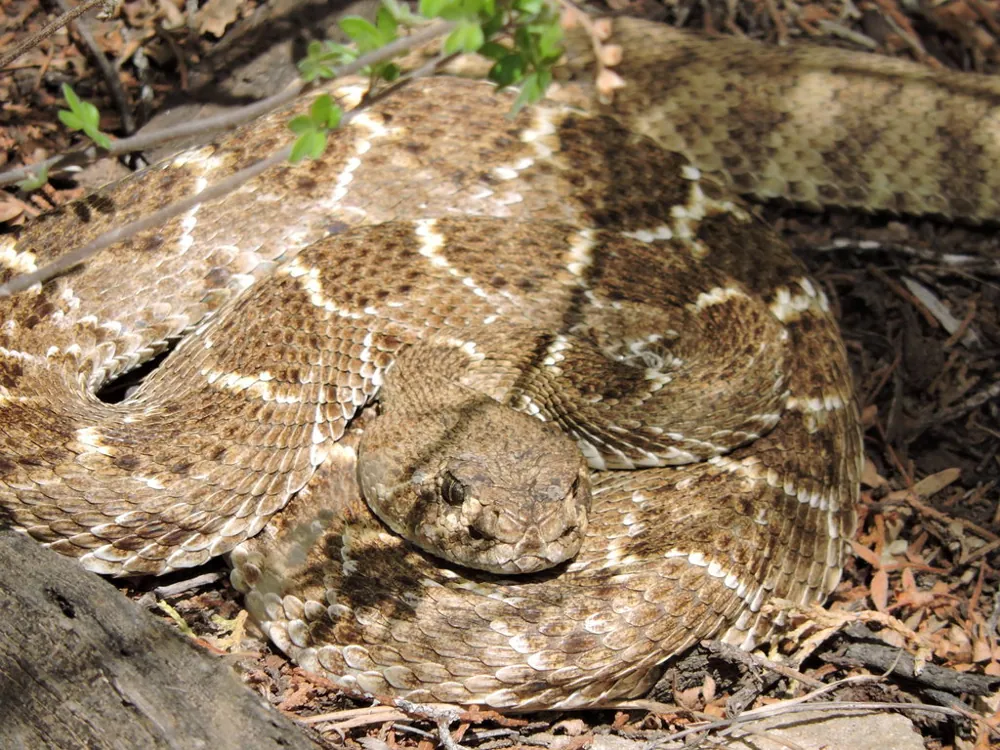
The western diamondback rattlesnake is a large, venomous pit viper that lives in the southwestern United States and the northern half of Mexico. It is thought to cause most snakebite deaths in northern Mexico and more snakebites in the United States than any other snake. Its diamond-shaped back markings and loud rattle make it easier to recognise, but it should always be given plenty of space.1



 Hono anndirtee ngal
- Usually khaki in colour, though it may also be pinkish, brick red, yellowish blonde or white.1
- A row of 23 to 45 brown or dark umber blotches runs along the back, becoming diamond-shaped towards the middle of the body.1
- The tail has two to eight black bands, usually four to six, separated by white or grey.1
- A grey or umber stripe runs diagonally from the eye across the side of the head, usually edged below by a white stripe.1
No jiibondiree e: The Mojave rattlesnake also has banded tail rings, but its black rings are narrow compared with the pale ones. The timber rattlesnake has no tail rings, and the black-tailed rattlesnake has a uniform black tail or indistinct rings.1
Doole tooke ŋatgol
Tooke no yaltira ñiiƴe mum tuma ngal ŋatata.
Ko honɗun tooke mum waɗata (ŋatgol walla jukkugol)?
Its venom is mainly hemotoxic, which means it mainly damages blood vessels, blood cells and the heart. It contains enzymes that break down tissue, along with cytotoxins and myotoxins that destroy cells and muscle. Local effects include pain, heavy internal bleeding, severe swelling, muscle damage, bruising, blistering and tissue death, and general effects may include headache, nausea and vomiting.1
Hono musiiba mum heewiri e yimɓe?
Musiiba e yimɓe: Musiiba sanneNo waawi warugol neɗɗo mo safraaka.It is thought to be responsible for most snakebite deaths in northern Mexico and for the greatest number of snakebites in the United States. It can deliver a large amount of venom in one bite.1
Ko honɗun ngal waɗata si ngal hulii?
When threatened it usually coils and rattles to warn off attackers, and it is unusually willing to stand its ground. If rattling does not work, it will strike.1
 Si no ŋata
- Haɗu neɗɗo on dillagol, deeƴnu mo, jogo koyngal walla jungo ŋataaɗo on e toownde ɓernde, ittu baagiiji e ko tiiɗi fow, yahra mo lopitaan law.
Adii fow noddu nimero ballal (112, 000, 911). Ɗum ko anndinal ballal adiingal, wanaa saaraangal doktoro. Ko adii nder ballal adiingal
 Reen hoore maa
- Wota a meem, wota a nanngu, wota a jalnu kullal ladde haa abada, hay si ko tokooso, hay si no yi'ee no ɗaanii walla maayii.
- Accu ngal nokku. Si a fotti e ngal, deeƴu, ruttu ɓaawo seeɗa seeɗa, accu ngal yaha laawol mum.
- Si gooto e majji ŋatii ma: deeƴu, wota a dillu, noddu nimero ballal (112, 000, 911) walla yahu lopitaan law. Jogo e hakkille no ngal nanndi, natal no walla.
Ngal faalaaka gaañugol ma. Ngal no huutora tooke mum ngam nanngugol ñaamdu walla reenugol hoore mum, ngal ɓuri yiɗugol suuɗaade. Ko ɓeydi fii reenugol hoore maa
Hoto nder aduna?
Hono mawniri?
Hono juutiri?
Hono teddiri?
 juuti no ulluuɗi suudu 4, hinere haa lawol
 juuti no banaanaaji 12 jokkondirɗiteddi no ullundu suudu
 no waawi taccugol meeteruuji 100 nder segonde 92 (neɗɗo ɓurɗo yaawugol sokli 9,6)
Hono Western diamondback rattlesnake mawniri, si fooɗondiraama e AN?
Ko limoore tun nder navigateur maa. Alaa ko danndetee walla ko neldetee ka nokku woo.
Hono yaawiri?


Humpito
It can go up to two years without food in the wild. In a starvation study, snakes cut their energy use by an average of 80% and still grew, as they put resources into muscle and bone.1
A juvenile was once found dead after trying to swallow a horned lizard, whose horns punctured its gullet.1
It is likely the second largest rattlesnake species, behind only its close relative the eastern diamondback rattlesnake.1
It is one of the few snake species that scavenges for food.1
Among rattlesnakes, it may be the most adaptable to towns and suburbs, and it thrives deep within developed areas.1
It is an important predator of small rodents, rabbits and birds, and it is itself eaten by coyotes, foxes, hawks and owls.1
Ɗo humpitooji ɗin iwri
- Western diamondback rattlesnake (Wikipedia (CC BY-SA 4.0))
- Crotalus atrox (iNaturalist): inɗe e ŋoordingol (classification).
- Venom Wiki: tolno musiiba, mawnugol aadaajo e miijo yaawugol ko amen. Ndaar no min ƴeewtirta ɗum: Hono min tolnirta musiiba.
Kala humpito nder ngoo hello no jogii limoore hollirnde iwdi mum. Si min juumii, yaafo, min ko yiɗɓe kulle, wanaa jaaynde ganndal. Haalan min e [email protected], min feewnitan.
 Yaare nden no weelaa! Venom Wiki ko golle neɗɗo gooto: ko yoɓetaake, alaa piiblisite, alaa reweteeɓe. Kopporde tokooso no walla heddingol ɗum e enternet.Ñaamnu yaare nden
 Eastern diamondback rattlesnake
 Timber rattlesnake
 Sidewinder
 Mojave rattlesnake
 Aruba rattlesnake
 Black-tailed rattlesnake
 Terciopelo
 Eastern coral snake
 Eyelash viper
 Arizona bark scorpion
 Brown recluse
 Cane toad