
 Afirik
 Aazi
Aazi Orop
Orop Amerik Sud
 Ostarali e Oseyani
 Antarktik
 Geeci Pasifik
 Geeci Atlantik
 Geeci Enndo
 Geeci Arktik
 Geeci Mediteraane
 Geeci Boɗeewi
 Geeci Karayib
 Geeci Korayl
 Geeci Siin Sud
 Geeci Filipiin
 Geeci Andaman
 Geeci Nord
 Geeci Timor e Arafura
 Gulf Bengal
 Gulf Kaliforni
Common quail
 Tooke si ñaamaamaNo ñaama: Seeɗa nder kala huundeTookeejo ɓanndu, wanaa naatnoowo tooke
The common quail is a small, plump ground-nesting bird. It breeds across Europe and North Africa and spends the winter in Africa and southern India. Its meat can be poisonous, so it is a bird where a little knowledge matters.1



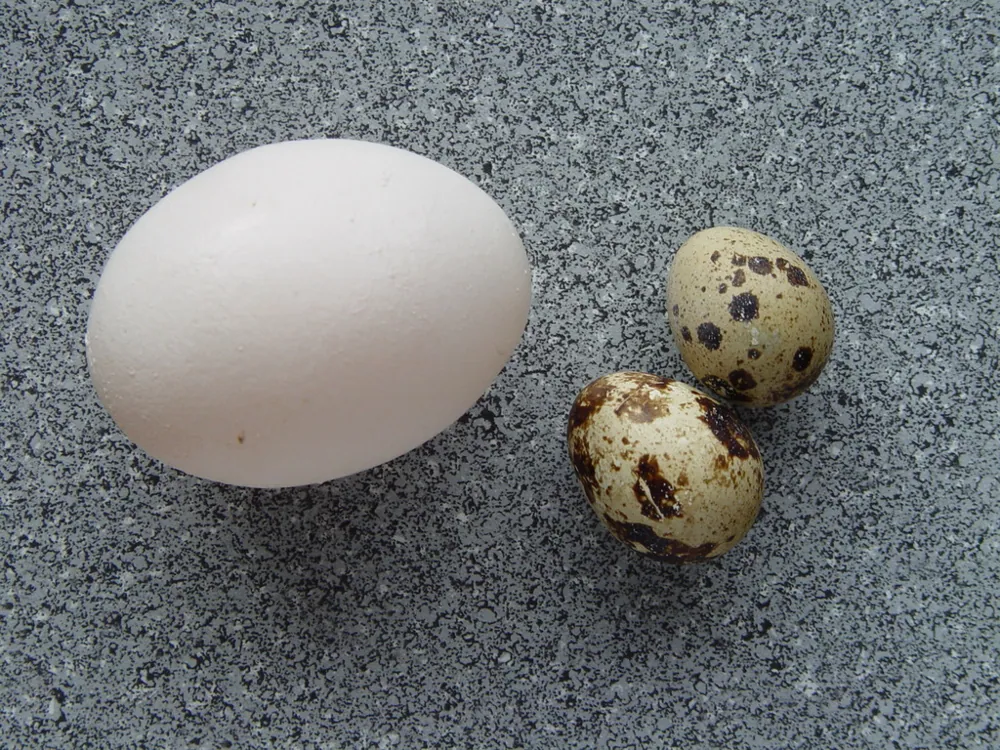
 Hono anndirtee ngal
- A small, compact bird about 16 to 18 cm long1
- Streaked brown plumage with a white eyestripe1
- Males have a white chin1
- Long wings, unlike most game birds1
- A call of three repeated chirps, and the male's song sounds like 'wet-my-lips'1
No jiibondiree e: The Japanese quail (Coturnix japonica), native to Asia, looks very similar. Its call is very different from that of the common quail, which is the best way to tell them apart.1
Doole tooke
Ngal bonataa si wanaa huunde ñaamii ngal.
Ko honɗun tooke ɓanndu mum waɗata?
This bird is not venomous. Its meat can be poisonous if the birds have eaten certain plants, although which plants is still debated. The resulting illness, called coturnism, causes muscle soreness and may lead to kidney failure.1
Hono musiiba mum heewiri e yimɓe?
Musiiba e yimɓe: MuusɗoNo waawi muusugol sanne, kono ko ɓadii kala tuma ɗum wonataa musiiba mawɗo.One in four people who eat poisonous quail meat become ill with coturnism. The illness can lead to kidney failure.1
Ko honɗun ngal waɗata si ngal hulii?
When flushed, it keeps low and soon drops back into cover. It would rather creep away than fly.1
 Si neɗɗo meemii walla ñaamii ngal
- Si neɗɗo ñaamii ngal walla no jogii maandeeji caggal ñaamugol ngal: noddu nimero ballal walla centre antipoison jooni jooni.
Adii fow noddu nimero ballal (112, 000, 911). Ɗum ko anndinal ballal adiingal, wanaa saaraangal doktoro. Ko adii nder ballal adiingal
 Reen hoore maa
- Wota a meem, wota a nanngu, wota a jalnu kullal ladde haa abada, hay si ko tokooso, hay si no yi'ee no ɗaanii walla maayii.
- Accu ngal nokku. Si a fotti e ngal, deeƴu, ruttu ɓaawo seeɗa seeɗa, accu ngal yaha laawol mum.
- Si a meemii walla a ñaamii ngal: wota a moomtu gite maa walla hunuko maa, loot juuɗe maa, heɓu ballal doktoro.
Ngal faalaaka gaañugol ma. Tooke mum woodi tun ngam wota huunde ñaam ngal. Ko ɓeydi fii reenugol hoore maa
Hoto nder aduna?
Hono mawniri?
Hono juutiri?
Hono teddiri?

 juuti no kaaɗe mahirɗe 6 e diisa gooto
 no waawi diwugol taccugol nokku bal fow nder segonde 9,5
Hono Common quail mawniri, si fooɗondiraama e AN?
Ko limoore tun nder navigateur maa. Alaa ko danndetee walla ko neldetee ka nokku woo.
Hono yaawiri?


Humpito
Huge numbers are caught in nets along the Mediterranean coast of Egypt. An estimated 12.9 million birds were caught across Egypt in 2012 during the autumn migration.1
In 1537, Queen Jane Seymour, third wife of Henry VIII, developed a strong craving for quail. Courtiers and diplomats abroad were ordered to find supplies for her.1
The Book of Numbers in the Bible describes a huge mass of quails blown in by a wind, which the Israelites took as meat in the wilderness.1
Common quails are strongly migratory, unlike most game birds.1
The young can leave the nest and feed themselves shortly after hatching, and they stay with the family group for 30 to 50 days.1
Ngam ganduɓe tooke
- Innde ganndal
- Coturnix coturnix
- Fedde
- Kulle goɗɗe tookeeje ɓanndu
- Ɓesngu
- Phasianidae2
- Ordre
- Galliformes
- Leyɗe mawɗe
- Orop, Aazi, Afirik
- Ɓiɓɓe tokosɓe
- The female lays a clutch of 8 to 13 eggs, one every 24 hours, in a shallow scrape on the ground. The chicks hatch together after 17 to 20 days and can feed themselves soon after hatching.1
- Hono ngal woniri nder ladde
- Least concern (IUCN)1
- Musiiba e yimɓe
- 2 / 5: Muusɗo3
Ɗo humpitooji ɗin iwri
- Common quail (Wikipedia (CC BY-SA 4.0))
- Coturnix coturnix (iNaturalist): inɗe e ŋoordingol (classification).
- Venom Wiki: tolno musiiba, mawnugol aadaajo e miijo yaawugol ko amen. Ndaar no min ƴeewtirta ɗum: Hono min tolnirta musiiba.
Kala humpito nder ngoo hello no jogii limoore hollirnde iwdi mum. Si min juumii, yaafo, min ko yiɗɓe kulle, wanaa jaaynde ganndal. Haalan min e [email protected], min feewnitan.
 Yaare nden no weelaa! Venom Wiki ko golle neɗɗo gooto: ko yoɓetaake, alaa piiblisite, alaa reweteeɓe. Kopporde tokooso no walla heddingol ɗum e enternet.Ñaamnu yaare nden
Ko ɓeydi e fedde wootere: Kulle goɗɗe tookeeje ɓanndu
 Spanish flyKulle goɗɗe tookeeje ɓannduNo sokli doktoroWota a meem
 African crested ratKulle goɗɗe tookeeje ɓannduNo sokli doktoroWota a meem
 Green spotted pufferKulle goɗɗe tookeeje ɓannduNo sokli doktoro
 Spur-winged gooseKulle goɗɗe tookeeje ɓannduNo muusi tun
 Cinnabar mothKulle goɗɗe tookeeje ɓannduAlaa musiiba
 Fahaka pufferfishKulle goɗɗe tookeeje ɓannduNo waawi warugol
No hoɗi kadi nder: Orop
 Common European adderWipeeri e adderNo sokli doktoro
 Common waspÑaaki, ɗuggi e ɗuggi mawɗiNo muusi tun
 European hornetÑaaki, ɗuggi e ɗuggi mawɗiNo muusi tun
 Fire salamanderPaaɓe tooke, krapooji e tritonuujiNo muusi tunWota a meem
 Western honey beeÑaaki, ɗuggi e ɗuggi mawɗiNo muusi tun
 Blunt-nosed viperWipeeri e adderNo waawi warugol