
 Afirik
 Aazi
Aazi Orop
Orop Amerik Sud
 Ostarali e Oseyani
 Antarktik
 Geeci Pasifik
 Geeci Atlantik
 Geeci Enndo
 Geeci Arktik
 Geeci Mediteraane
 Geeci Boɗeewi
 Geeci Karayib
 Geeci Korayl
 Geeci Siin Sud
 Geeci Filipiin
 Geeci Andaman
 Geeci Nord
 Geeci Timor e Arafura
 Gulf Bengal
 Gulf Kaliforni
Platypus
 Gaañe tooke
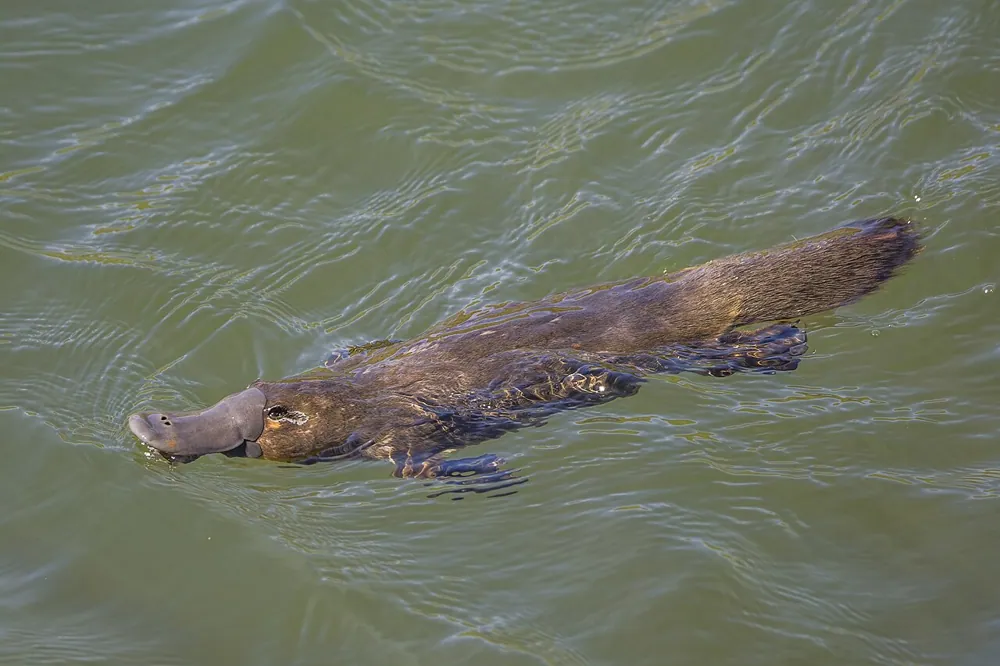
The platypus is a semiaquatic mammal that lays eggs, and it has a duck-like bill and a beaver-like tail. It lives in eastern Australia, including Tasmania. It is special because it is one of the few venomous mammals.1

 Hono anndirtee ngal
- Short, dense, brown fur that is waterproof1
- A soft, duck-like bill1
- A wide, flat, furry tail, unlike the scaly tail of a beaver1
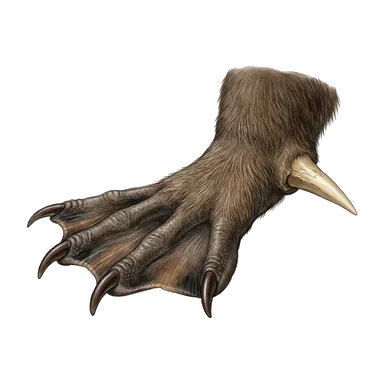
- Short legs with webbing, most noticeably on the front feet1
- Small eyes and ears that sit in a groove that closes underwater1
No jiibondiree e: Early European naturalists were confused by the platypus and thought it was a fake, made by sewing a duck's beak onto a beaver-like body. Its tail looks like a beaver's, but it is furry rather than scaly.1
Doole tooke ŋatgol
Gaañal ceeɓɗal e koyɗe ɓaawo no roondii tooke ngal.
Ko honɗun tooke mum waɗata (ŋatgol walla jukkugol)?
Only the male platypus has venom, which it injects through a spur on each hind foot. The venom is powerful enough to cause extreme pain in humans. The affected limb then develops swelling, which starts at the wound and spreads.1
Hono musiiba mum heewiri e yimɓe?
Musiiba e yimɓe: MuusɗoNo waawi muusugol sanne, kono ko ɓadii kala tuma ɗum wonataa musiiba mawɗo.The venom is extremely painful.1
 Si gaañal mum tuƴii ma
- Loot gaañande nden no moƴƴi, heɓu ballal doktoro.
Adii fow noddu nimero ballal (112, 000, 911). Ɗum ko anndinal ballal adiingal, wanaa saaraangal doktoro. Ko adii nder ballal adiingal
 Reen hoore maa
- Wota a meem, wota a nanngu, wota a jalnu kullal ladde haa abada, hay si ko tokooso, hay si no yi'ee no ɗaanii walla maayii.
- Accu ngal nokku. Si a fotti e ngal, deeƴu, ruttu ɓaawo seeɗa seeɗa, accu ngal yaha laawol mum.
- Si gaañal mum tuƴii ma: deeƴu, wota a dillu, noddu nimero ballal (112, 000, 911) walla yahu lopitaan law. Jogo e hakkille no ngal nanndi, natal no walla.
Ngal faalaaka gaañugol ma. Ngal no huutora tooke mum ngam nanngugol ñaamdu walla reenugol hoore mum, ngal ɓuri yiɗugol suuɗaade. Ko ɓeydi fii reenugol hoore maa
Hoto nder aduna?
Hono mawniri?
Hono juutiri?
Hono teddiri?
 juuti no banaanaaji 3 jokkondirɗi
 juuti no kaaɗe mahirɗe 16 e diisa gooto
 no waawi yoowugol juutde pisin mawɗo (50 m) nder segonde 51
Hono Platypus mawniri, si fooɗondiraama e AN?
Ko limoore tun nder navigateur maa. Alaa ko danndetee walla ko neldetee ka nokku woo.
Hono yaawiri?
Humpito
The platypus has about 40,000 electroreceptors in its bill, which detect electric signals from prey in murky water.1
Its fur is one of the most densely packed of any mammal, behind only otters. It also glows cyan and green under ultraviolet light.1
The platypus lacks a functional stomach, because it does not have the genes needed to make pepsin, a digestive enzyme.1
Adult platypuses have no teeth. They have heavily keratinised grinding pads instead, and young platypuses lose their teeth around the time they leave their burrow.1
Its average body temperature is about 32 °C, lower than the 37 °C typical of placental mammals.1
Bonnoowo fenaandeeji
Fenaande: The platypus is a hoax, made by sewing several animals together.
Goonga: The platypus is a real species. When the first scientists examined a preserved body in 1799, they doubted it, and George Shaw even used scissors to check for stitches.1
Ngam ganduɓe tooke
- Innde ganndal
- Ornithorhynchus anatinus
- Fedde
- Kulle muynooje (mammifères) tooke
- Ɓesngu
- Ornithorhynchidae2
- Ordre
- Monotremata
- Leyɗe mawɗe
- Ostarali e Oseyani
- Ɓiɓɓe tokosɓe
- The platypus lays eggs instead of giving birth to live young.1
- Hono ngal woniri nder ladde
- Near-threatened (IUCN). A November 2020 report recommended upgrading it to threatened under Australia's federal EPBC Act.1
- Musiiba e yimɓe
- 2 / 5: Muusɗo3
Ɗo humpitooji ɗin iwri
- Platypus (Wikipedia (CC BY-SA 4.0))
- Ornithorhynchus anatinus (iNaturalist): inɗe e ŋoordingol (classification).
- Venom Wiki: tolno musiiba, mawnugol aadaajo e miijo yaawugol ko amen. Ndaar no min ƴeewtirta ɗum: Hono min tolnirta musiiba.
Kala humpito nder ngoo hello no jogii limoore hollirnde iwdi mum. Si min juumii, yaafo, min ko yiɗɓe kulle, wanaa jaaynde ganndal. Haalan min e [email protected], min feewnitan.
 Yaare nden no weelaa! Venom Wiki ko golle neɗɗo gooto: ko yoɓetaake, alaa piiblisite, alaa reweteeɓe. Kopporde tokooso no walla heddingol ɗum e enternet.Ñaamnu yaare nden
Ko ɓeydi e fedde wootere: Kulle muynooje (mammifères) tooke
 Common vampire batKulle muynooje (mammifères) tookeNo muusi tun
 Bengal slow lorisKulle muynooje (mammifères) tookeNo muusi tun
 Cuban solenodonKulle muynooje (mammifères) tookeNo muusi tun
 Hispaniolan solenodonKulle muynooje (mammifères) tookeNo muusi tun
 Javan slow lorisKulle muynooje (mammifères) tookeNo muusi tun
 Pygmy slow lorisKulle muynooje (mammifères) tookeNo muusi tun
 Coastal taipan
 Common death adder
 Eastern brown snake
 Taipan wulaa
 Sydney funnel-web spider
 Mboddi Tiigar
_Scottsdale.jpg)