
 Afirik
 Asiya
Asiya Turai
Turai Amerik Worgo
 Australiya e Oseaniya
 Antarktika
 Baharu Pasifik
 Baharu Atlantik
 Baharu Indiya
 Baharu Arktik
 Baharu Mediterane
 Baharu Boɗeeru
 Baharu Karibiya
 Baharu Koral
 Baharu Ciina Worgo
 Baharu Filipin
 Baharu Andaman
 Baharu Rewo
 Baharu Timor e Arafura
 Baharu Bengal
 Baharu Kaliforniya
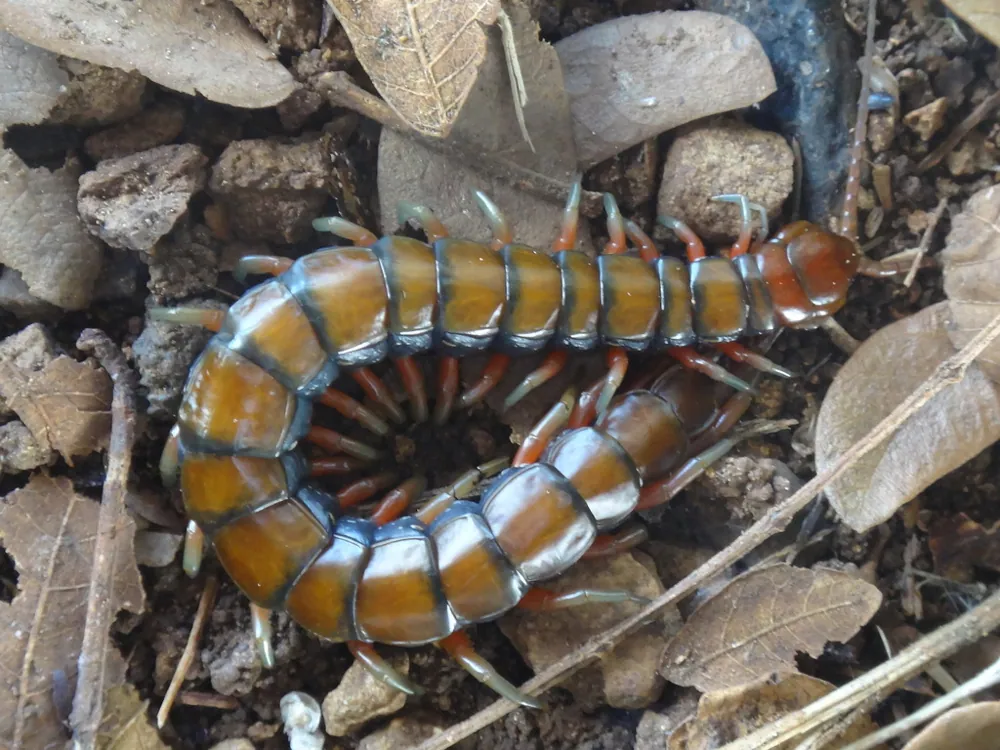
Chinese red-headed centipede
 Ina ŋata
The Chinese red-headed centipede is one of the largest centipedes in the world. It lives across much of southeastern Asia and on many islands and continents, often through human introduction. It is an active hunter with a venomous bite, so it is best seen from a safe distance.1



 No anndirto nde
Doole tooke
Tooke ina yalta e ñiiƴe mum si nde ŋatii.
Hol ko tooke mum (ŋatol walla fiɗol) waɗata?
Its venom normally causes extreme pain, among other symptoms. A fatal case was reported in the Philippines, where a 7-year-old girl was bitten on the head and died 29 hours later.1
Hol no nde woni bone e yimɓe?
Bone e yimɓe: Bone mawɗoŊatol ina haani doktaa. Maayde ina woodi seeɗa sanne.Its bite causes extreme pain, and a child has died after being bitten in the Philippines. Bites per year and other risk details are not recorded.1
Hol ko nde waɗata si nde hulii?
It is aggressive and nervous, ready to strike if disturbed, and when defending itself it coils its whole body around the attacker while using its toxicognaths.1
 Si nde ŋatii
- Lootu ŋatol ngol, ɓuuɓnu ngol walla naatnu ngol e ndiyam wulɗam seeɗa ngam muusu, heɓu ballal doktaa si ɗum ɓurii bonde.
Sahaa fof, noddu lamba ballal yaawngal (112, 000, 911) ko adii. Ɗum ko ballal arano kuuɓal, wonaa wasiyya doktaa. Aslu ballal arano
 Reen hoore maa
- Taa memu, taa nanngu, taa aaɓnu dabbaare ladde abada, hay pamaro, hay si ina wayi no ɗaanii walla maayii.
- Accu nde nokku. Si a fottii e gooto, deeƴu, ruttu caggal seeɗa seeɗa, accu nde yaha laawol mum.
- Si gooto e majji ŋatii ma: deeƴu, taa dillu, noddu lamba ballal yaawngal (112, 000, 911) walla yah asibiti law. Siftor no nde wayri, foto ina walla.
Nde ɗaɓɓaaki ma. Nde huutora tooke mum ngam nanngude ñaamdu walla reende hoore mum, nde ɓuri yiɗde suuɗaade. Ɓeydu anndude no reentorto
Hol to e aduna?
Hol no nde mawni?
Hol no nde juuti?
 juuti no bulok fijo 6 jokkondiraaɗi
 ina waawi dogde meeter 100 nder sakan 190 (neɗɗo ɓurɗo yaawde ina haani 9,6)
Hol no Chinese red-headed centipede mawni, fottindaade e AAN?
Hiisa tan nder browser maa. Alaa ko mooftetee walla ko neletee.
Hol no nde yaawi?


Anndal
It is among the largest centipedes in the world, with a normal maximum length of 20 cm.1
The centipede was a traditional food source for Aboriginal Australians.1
Adults molt once every year and may live for 10 years or more.1
It is a popular pet among arthropod hobbyists.1
Young centipedes molt once a year and take 3 to 4 years to reach full adult size.1
Ngam ganduɓe tooke
- Innde ganndal
- Scolopendra subspinipes
- Fedde
- Shanshani
- Besngu
- Scolopendridae2
- Tolno
- Scolopendromorpha
- Nahiyaaji
- Asiya
- Ɓikkoy
- The female lays 50 to 80 eggs in a dark, protected place, guards them until they hatch, and wraps around her young if danger is detected.1
- Duuɓi nguurndam
- ɓadii duuɓi 101
- Bone e yimɓe
- 3 / 5: Bone mawɗo3
Ɗo anndal iwi
- Scolopendra subspinipes (Wikipedia (CC BY-SA 4.0))
- Scolopendra subspinipes (iNaturalist): inɗe e tolnugol.
- Venom Wiki: darja bone, mawnude woowaaɗo e miijo yaawre ko amen. Ndaar no min hiisirta ɗum: No min betiri bone.
Kala anndal e ngoo hello ina jogii limre hollirnde iwdi mum. Si min juumii, accu min, min yiɗɓe dabbaaji, wonaa jaridaa ganndal. Wiy min e [email protected] min feewnitay.
 Yaare nden ina heege! Venom Wiki ko golle neɗɗo gooto: meere, tawa tallaaji alaa, trackers alaa. Ballal pamarngal ina walla heddinde ɗum e internet.Ñaamnu yaare nden
 Giant Australian centipede
 Mediterranean banded centipede
 House centipede
 Vietnamese giant centipede
 Indian tiger centipede
 Japanese giant centipede
 Yaare deathstalker
 Cobra Indiya
 Viper kiifi kaasa Indiya
 King cobra
 Puff adder
 Mboddi Russell