
 Afrik
Afrik Aazi
Aazi Orop
Orop Amerik Worgo
 Ostaraali e Oseyaani
 Antarktik
 Geec Pasifik
 Geec Atlantik
 Geec Enndo
 Geec Arktik
 Geec Mediteraane
 Geec Boɗeejo
 Geec Karayib
 Geec Korayl
 Geec Siin Worgo
 Geec Filipiin
 Geec Andaman
 Geec Rewo
 Geec Timor e Arafura
 Gulf Bengal
 Gulf Kaliforni
Peruvian giant centipede
 Ŋatgol
The Peruvian giant centipede is the largest centipede species in the world, growing longer than 30 centimetres. It lives in northern South America and on several Caribbean islands, mostly in rainforests and dry forests. It hunts a wide range of animals, from insects to bats, and its venom is strong enough to stop small mammals.1



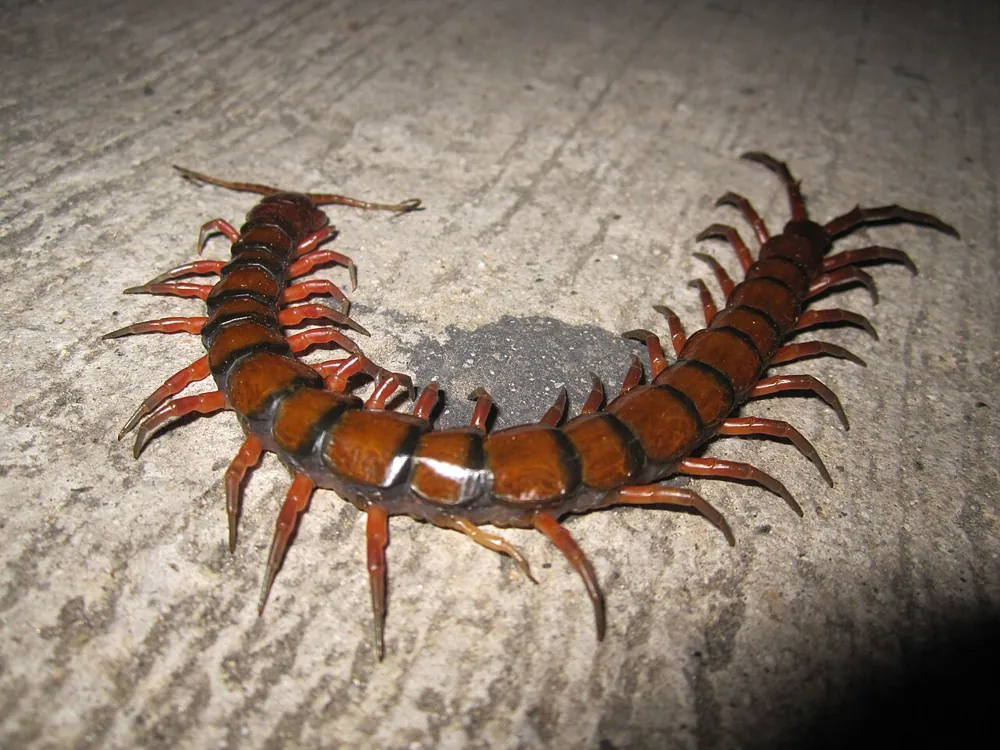
 No anndirte ngal
Doole tooke
Tooke ngal ina yaltira ñiiƴe mum so ina ŋata.
Hol ko tooke ŋatgol mum waɗata?
Its venom is strong enough to immobilise small mammals it hunts, such as bats and mice. The venom is produced in a modified pair of legs placed under the head.1
Hol no bone mum heewiri e yimɓe?
Bone e yimɓe: Ina tiiɗiŊatgol ina sokli doktoor. Maayde ina famɗi sanne.At least one human death has been linked to its venom. In 2014, a four-year-old child in Venezuela died after being bitten by a giant centipede hidden inside an open soda can. Researchers at Universidad de Oriente later confirmed the animal was this species.1
 So ina ŋata
- Loot nokku ŋataaɗo oo, ɓuuɓnu mo walla naatnu mo e ndiyam guleeɗam seeɗa ngam muusu ngu, heɓ ballal cafrol so ɗum ɓurii bonde.
Adii fof noddu nimero urgence (112, 000, 911). Ɗum ko anndinal ballal adiingal, wonaa saaraangal doktoor. Ko adii e ballal adiingal
 Reen hoore maa
- Wota a meem, wota a nanngu, wota a ñiŋŋu kullal ladde haa abada, hay so ngal ina famɗi, hay so ina nanndi e ɗaaniingal walla maayngal.
- Accu ngal nokku. So a fotti e ngal, deƴƴu, ruttu ɓaawo seeɗa seeɗa, accu ngal yaha laawol mum.
- So gooto ŋatii ma: deƴƴu, wota a dillu, noddu nimero urgence (112, 000, 911) walla yahu opitaal law. Jogo e hakkille no ngal nanndi, natal ina walla.
Ngal faalaaka gaañde ma. Ina huutoroo tooke mum ngam nanngude ñaamdu walla reenaade, ina ɓuri yiɗde suuɗaade. Ɓeydu anndude no reentortoo
Hol to e aduna?
Hol no mawniri?
Hol no juutiri?
 juutde no kaaɗe mahirɗe 9 ɗaɓɓondiraaɗe
 ina waawi taƴde 100 meeteer e segonde 140 (neɗɗo ɓurɗo yaawde ina sokli 9,6)
Hol no Peruvian giant centipede mawniri, so fooɗondiraama e AN?
Limgal tan e navigatoor maa. Alaa ko danndetee walla ko neldetee.
Hol no yaawiri?


Humpito
Large individuals have a clever way of catching bats: they climb cave ceilings and hold their heavier prey with only a few legs attached to the ceiling.1
It is the largest centipede species in the world, with a length exceeding 30 centimetres.1
It can overpower animals as large as tarantulas, and it can also kill snakes up to 25 centimetres long.1
Its venom comes from a modified pair of legs placed just underneath its head.1
It climbs readily and will use hiding spaces under tree bark.1
Its natural predators include large birds, spiders, and mammals that hunt arthropods, such as the coati, kinkajou and opossum.1
Ɗo humpito iwri
- Scolopendra gigantea (Wikipedia (CC BY-SA 4.0))
- Scolopendra gigantea (iNaturalist): inɗe e ceergal.
- Venom Wiki: tolno bone, mawnude heewnde e miijo yaawde ko amen. Yiy no men keɓirta ɗum: No men tolnirta bone.
Kala humpito e ngoo hello ina jogii limoore hollirnde iwdi mum. So men juumii, yaafo, men ko yiɗɓe kulle, wonaa jaaynde ganndal. Wiy men e [email protected], men feewnita.
 Yaare nden ina weelaa! Venom Wiki ko golle neɗɗo gooto: yoɓetaake, alaa ko jeeyetee, alaa rewɓe. Ndokkal seeɗa ina walla ngam heddude e enternet.Ñaam yaare nden
Goɗɗe e nder fedde wootere: Bukka-koyɗe
 Amazonian giant green-horned centipedeBukka-koyɗeIna sokli doktoor
 Galapagos centipedeBukka-koyɗeIna sokli doktoor
 Chinese red-headed centipedeBukka-koyɗeIna sokli doktoor
 Giant Australian centipedeBukka-koyɗeIna muusi tan
 Giant desert centipedeBukka-koyɗeIna muusi tan
 Mediterranean banded centipedeBukka-koyɗeIna muusi tan
 Faaɓru tooke kaŋŋe
 Terciopelo
 Brazilian wandering spider
 Eyelash viper
 Golden lancehead
 South American bushmaster