
 Afrịka
 Eshia
Eshia Yurop
Yurop Ndịda Amerika
 Ọstrelia na Oshenia
 Antaktika
 Oké Osimiri Pasifik
 Oké Osimiri Atlantik
 Oké Osimiri India
 Oké Osimiri Arktik
 Osimiri Mediterenian
 Osimiri Uhie
 Osimiri Karibịan
 Osimiri Coral
 Osimiri Ndịda China
 Osimiri Filipin
 Osimiri Andaman
 Osimiri Ugwu (North Sea)
 Osimiri Timor na Arafura
 Ọwara Bengal
 Ọwara California
Jameson's mamba
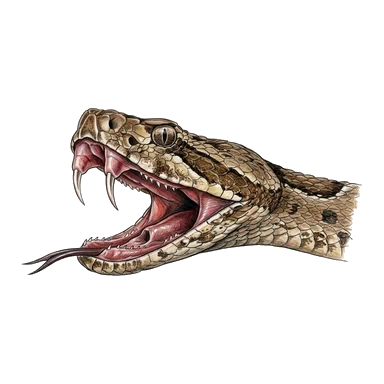 Ịta
ỊtaJameson's mamba is a highly venomous snake that lives in the forests and woodlands of equatorial Africa. It spends much of its time in trees and is often found near towns, farms and plantations. Its venom attacks the nerves, so it is a snake to treat with respect and keep well away from.1
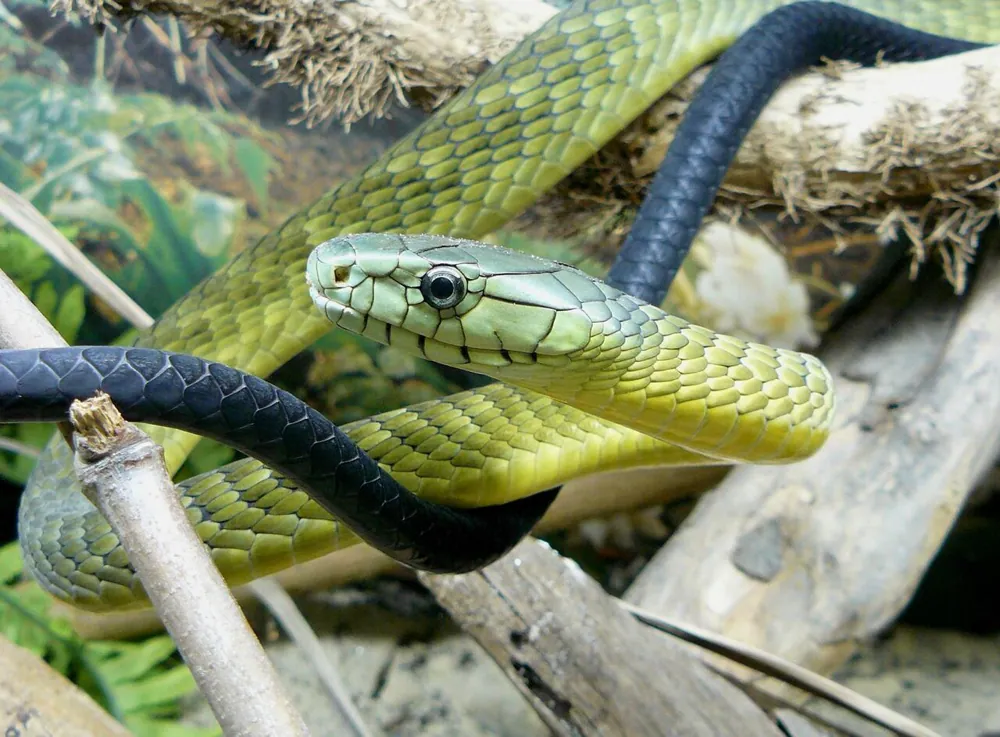
 Otú ị ga-esi mata ya
- Slender body with dull green upper parts that fade to pale green towards the belly1
- Neck, throat and underparts are cream or yellowish1
- Narrow, elongated head with small eyes and round pupils1
- Tail is black in the eastern subspecies (kaimosae) and pale green or yellow in the central and western subspecies1
- Adults typically measure 1.5 to 2.2 metres in total length1
Ike nsị
Nsị na-esi n'eze nsị ya ma ọ bụ eze ya apụta mgbe ọ na-ata.
Gịnị ka nsị ọ na-agba na-eme?
The venom is highly neurotoxic, meaning it attacks the nerves, and also contains cardiotoxins, which affect the heart. Bite pain and swelling are followed by chills, sweating, abdominal pain and vomiting. Later symptoms can include slurred speech, difficulty breathing and paralysis.1
Kedu otú o si dị egwu nye mmadụ?
Ihe ize ndụ nye mmadụ: Na-egbu egbuOtu n'ime anụmanụ kacha dị egwu n'ụwa.The World Health Organization classes it as a Snake of Medical Importance in sub-Saharan Africa, although few bites are recorded. Deaths have been recorded within three to four hours of a bite. An unconfirmed report describes a child dying within 30 minutes. Access to antivenom is difficult in some areas, and workers in palm oil plantations have died after falling from trees when they met one in the canopy.1
 Ozi ọma: ndị dọkịta nwere ọgwụ (antivenom) ma ọ bụ ọgwụgwọ maka nke a.1
Gịnị ka ọ na-eme mgbe ụjọ tụrụ ya?
When threatened, it flattens its neck like a cobra, and it will usually try to escape rather than attack.1
 Ọ bụrụ na ọ tara
- Apply a pressure bandage, keep the victim as still as possible and get them to a hospital or clinic quickly. An arterial tourniquet may help because of the neurotoxic venom. Antivenom is the main treatment, and tetanus toxoid is sometimes given.1
- Mee ka onye ahụ ghara imegharị ahụ, dịkwa jụụ, wepụ mgbanaka na ihe ndị kekọrọ ahụ ike, kpọga ya ụlọ ọgwụ ngwa ngwa: ọgwụ mgbochi nsị (antivenom) bụ ọgwụgwọ ya.
Na-ebu ụzọ kpọọ nọmba mberede gị mgbe niile (112, 000, 911). Nke a bụ ndụmọdụ enyemaka mbụ n'ozuzu, ọ bụghị ndụmọdụ ọgwụ. Isi ihe enyemaka mbụ
 Nọrọ na nchekwa
- Emetụla anụ ọhịa aka, ejidela ya, emekwala ya ihe ọjọọ, ọbụna obere, ọbụna ma ọ dị ka ọ na-ehi ụra ma ọ bụ nwụọ anwụ.
- Nye ya ohere. Ọ bụrụ na ị zutere otu, dị jụụ, laghachi azụ nwayọ, hapụ ya ka ọ gaa ụzọ ya.
- Ọ bụrụ na otu tara gị: dị jụụ, emegharịla ahụ, kpọọ nọmba mberede gị (112, 000, 911) ma ọ bụ gaa ụlọ ọgwụ ngwa ngwa. Cheta ka o si dị, foto na-enye aka.
Ọ naghị achụ gị. Ọ na-eji nsị ya ejide nri ma ọ bụ chebe onwe ya, ọ ga-akakwa mma n'anya ya ịzo onwe ya. Ihe ndị ọzọ gbasara ịnọ na nchekwa
Ọ hà aṅaa?
Kedu otú o si dị ogologo?
 dị ogologo dị ka nkịta 2.5 site n'imi ruo n'ọdụ
 dị ogologo dị ka unere 15 a tọgbọrọ n'ahịrị
 nwere ike ịgba ọsọ mita 100 n'ime sekọnd 41 (mmadụ kacha ọsọ chọrọ 9,6)
Kedu otú Jameson's mamba si hà ma e jiri ya tụnyere GỊ?
Naanị mgbakọ na mwepụ n'ime browser gị. Ọ dịghị ihe echekwara ma ọ bụ ezigara ebe ọ bụla.
Kedu otú o si agba ọsọ?


Eziokwu
Females lay their eggs in abandoned termite colonies.1
In Nigeria, males fight each other for access to females during the dry season.1
Its main predators are birds of prey, including the martial eagle, the bateleur and the Congo serpent eagle.1
It is difficult to study in the wild because it lives in trees and its green colouring helps it hide among leaves.1
Ebe eziokwu ndị a si
- Jameson's mamba (Wikipedia (CC BY-SA 4.0))
- Dendroaspis jamesoni (iNaturalist): aha na nhazi ọkwa.
- Venom Wiki: ọkwa ihe ize ndụ, nha nkịtị na nchepụta ọsọ bụ nke anyị. Lee otú anyị si achọpụta ha: Otú anyị si atụ ihe ize ndụ.
Eziokwu ọ bụla dị na peeji a nwere nọmba na-egosi ebe o si. Ọ bụrụ na anyị mehiere ihe, ndo, anyị bụ ndị hụrụ anụmanụ n'anya, ọ bụghị akwụkwọ akụkọ sayensị. Gwa anyị na [email protected], anyị ga-edozi ya.
 Akpị agụụ na-agụ! Venom Wiki bụ ọrụ otu onye: n'efu, na-enweghị mgbasa ozi na ndị na-esochi gị. Obere onyinye na-enyere aka idebe ya n'ịntanetị.Nye akpị nri
Ndị ọzọ si n'otu ahụ: Kobra, mamba na krait
 Black mambaKobra, mamba na kraitNa-egbu egbu
 Egyptian cobraKobra, mamba na kraitNa-egbu egbu
 Cape cobraKobra, mamba na kraitNa-egbu egbu
 Eastern green mambaKobra, mamba na kraitNa-egbu egbu
 Western green mambaKobra, mamba na kraitNa-egbu egbu
 Ashe's spitting cobraKobra, mamba na kraitNwere ike igbu mmadụ
 Deathstalker
 Puff adder
 Boomslang
 Fat-tailed scorpion
 Gaboon viper
 Western honey bee
.jpg)