
 Afrịka
 Eshia
Eshia Yurop
Yurop Ndịda Amerika
 Ọstrelia na Oshenia
 Antaktika
 Oké Osimiri Pasifik
 Oké Osimiri Atlantik
 Oké Osimiri India
 Oké Osimiri Arktik
 Osimiri Mediterenian
 Osimiri Uhie
 Osimiri Karibịan
 Osimiri Coral
 Osimiri Ndịda China
 Osimiri Filipin
 Osimiri Andaman
 Osimiri Ugwu (North Sea)
 Osimiri Timor na Arafura
 Ọwara Bengal
 Ọwara California
Brazilian brown scorpion
 Ịgba
ỊgbaThe Brazilian brown scorpion is a venomous scorpion found in South America. It lives mostly in Brazil, Argentina and Paraguay, and is very common in farming areas. It matters because it is one of the scorpions most often linked to stings in rural places.1


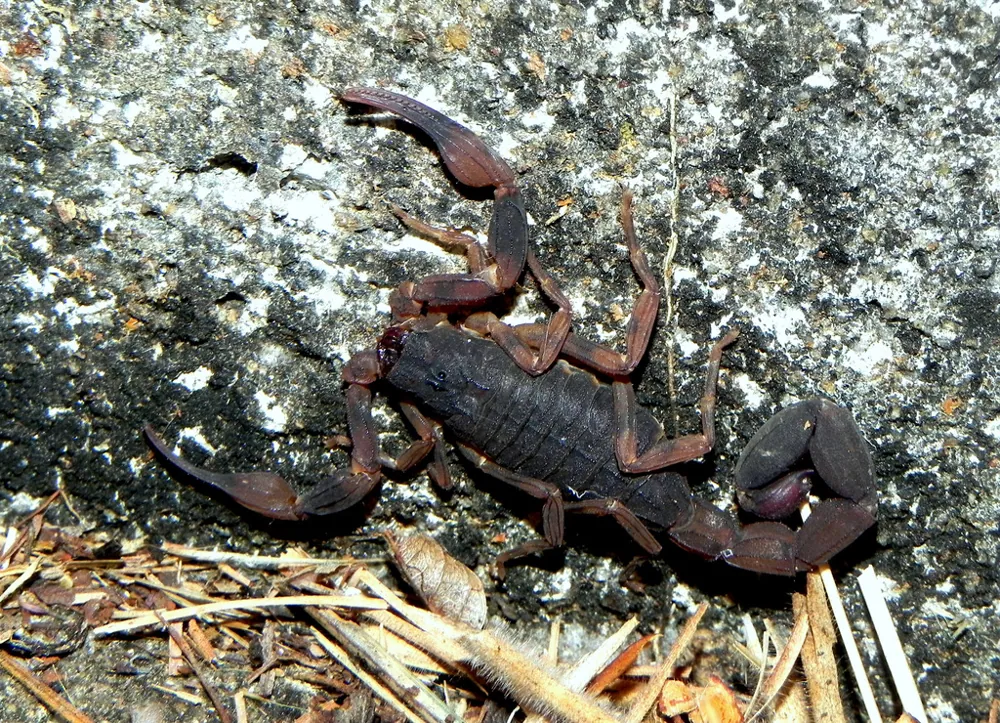
 Otú ị ga-esi mata ya
Ike nsị
Nsị na-esi na ndụdụ ya apụta.
Gịnị ka nsị ọ na-agba na-eme?
Its venom is neurotoxic, meaning it attacks the nerves. Symptoms include severe pain, swelling, sweating, lethargy, fast heart rate, pulmonary (lung) oedema, difficulty breathing, pancreatitis, nausea, vomiting and changes in blood pressure. The venom's LD50 is 0.5 mg/kg, a measure of how toxic it is to test animals.1
Kedu otú o si dị egwu nye mmadụ?
Ihe ize ndụ nye mmadụ: Ọ dị njọỊgba ya chọrọ dọkịta. Ọnwụ anaghị adịkarị ma ọlị.It is the main cause of scorpion sting cases in rural areas and is often ranked the second most toxic of its kind, behind only T. serrulatus.1
Gịnị ka ọ na-eme mgbe ụjọ tụrụ ya?
It is not aggressive and avoids humans, but if threatened it will defend itself with its sting.1
 Ọ bụrụ na ọ gbaa
- Jiri akpa ice mee ka ebe ọ gbara jụọ oyi, mekwa ka onye ahụ nọrọ jụụ n'emegharịghị ahụ. Chọọ enyemaka ọgwụ ngwa ngwa, karịsịa maka ụmụaka: ụfọdụ akpị nwere ike igbu ụmụaka.
Na-ebu ụzọ kpọọ nọmba mberede gị mgbe niile (112, 000, 911). Nke a bụ ndụmọdụ enyemaka mbụ n'ozuzu, ọ bụghị ndụmọdụ ọgwụ. Isi ihe enyemaka mbụ
 Nọrọ na nchekwa
- Emetụla anụ ọhịa aka, ejidela ya, emekwala ya ihe ọjọọ, ọbụna obere, ọbụna ma ọ dị ka ọ na-ehi ụra ma ọ bụ nwụọ anwụ.
- Nye ya ohere. Ọ bụrụ na ị zutere otu, dị jụụ, laghachi azụ nwayọ, hapụ ya ka ọ gaa ụzọ ya.
- Ọ bụrụ na otu gbaa gị: dị jụụ, emegharịla ahụ, kpọọ nọmba mberede gị (112, 000, 911) ma ọ bụ gaa ụlọ ọgwụ ngwa ngwa. Cheta ka o si dị, foto na-enye aka.
Ọ naghị achụ gị. Ọ na-eji nsị ya ejide nri ma ọ bụ chebe onwe ya, ọ ga-akakwa mma n'anya ya ịzo onwe ya. Ihe ndị ọzọ gbasara ịnọ na nchekwa
Ọ hà aṅaa?
Kedu otú o si dị ogologo?
 dị ogologo dị ka blọk egwuregwu 2 n'ahịrị
 nwere ike ịgba ọsọ mita 100 n'ime sekọnd 260 (mmadụ kacha ọsọ chọrọ 9,6)
Kedu otú Brazilian brown scorpion si hà ma e jiri ya tụnyere GỊ?
Naanị mgbakọ na mwepụ n'ime browser gị. Ọ dịghị ihe echekwara ma ọ bụ ezigara ebe ọ bụla.
Kedu otú o si agba ọsọ?


Eziokwu
It is often called the second most toxic scorpion of its kind, after T. serrulatus.1
Females can give birth to as many as 25 young in one litter.1
It is common in farmland, which is why it causes many stings in rural areas.1
The most common toxin in its venom is Tb1, which makes up about 10% of the soluble venom.1
Maka ndị ọkachamara nsị
- Aha sayensị
- Tityus bahiensis
- Otu
- Akpị
- Ezinụlọ
- Buthidae2
- Usoro
- Scorpiones
- Kọntinent dị iche iche
- Ndịda Amerika
- Ụmụ ọhụrụ
- Mating can happen at any time of year but usually from November to April. Gestation lasts 2 to 12 months, and the female gives birth to between 2 and 25 young.1
- Ihe ize ndụ nye mmadụ
- 3 / 5: Ọ dị njọ3
Ebe eziokwu ndị a si
- Tityus bahiensis (Wikipedia (CC BY-SA 4.0))
- Tityus bahiensis (iNaturalist): aha na nhazi ọkwa.
- Venom Wiki: ọkwa ihe ize ndụ, nha nkịtị na nchepụta ọsọ bụ nke anyị. Lee otú anyị si achọpụta ha: Otú anyị si atụ ihe ize ndụ.
Eziokwu ọ bụla dị na peeji a nwere nọmba na-egosi ebe o si. Ọ bụrụ na anyị mehiere ihe, ndo, anyị bụ ndị hụrụ anụmanụ n'anya, ọ bụghị akwụkwọ akụkọ sayensị. Gwa anyị na [email protected], anyị ga-edozi ya.
 Akpị agụụ na-agụ! Venom Wiki bụ ọrụ otu onye: n'efu, na-enweghị mgbasa ozi na ndị na-esochi gị. Obere onyinye na-enyere aka idebe ya n'ịntanetị.Nye akpị nri
 Brazilian yellow scorpion
 Amazonian black scorpion
 Caracas scorpion
 Panamanian black scorpion
 Zulia scorpion
 Amazon forest scorpion
 Golden poison frog
 Terciopelo
 Brazilian wandering spider
 Eyelash viper
 Golden lancehead
 South American bushmaster