
 Afrịka
 Eshia
Eshia Yurop
Yurop Ndịda Amerika
 Ọstrelia na Oshenia
 Antaktika
 Oké Osimiri Pasifik
 Oké Osimiri Atlantik
 Oké Osimiri India
 Oké Osimiri Arktik
 Osimiri Mediterenian
 Osimiri Uhie
 Osimiri Karibịan
 Osimiri Coral
 Osimiri Ndịda China
 Osimiri Filipin
 Osimiri Andaman
 Osimiri Ugwu (North Sea)
 Osimiri Timor na Arafura
 Ọwara Bengal
 Ọwara California
Collett's snake
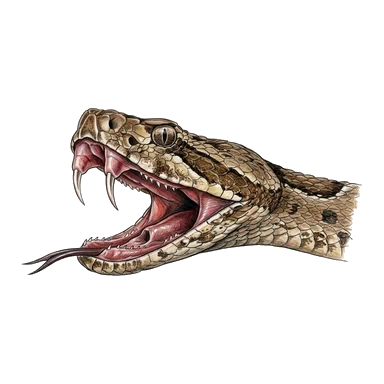 Ịta
ỊtaCollett's snake is a large, brightly marked venomous snake that lives in the dry plains of Australia. It is one of the most colourful black snakes in its genus. Its bite can be fatal, so it is important to know what it looks like and where it lives.1
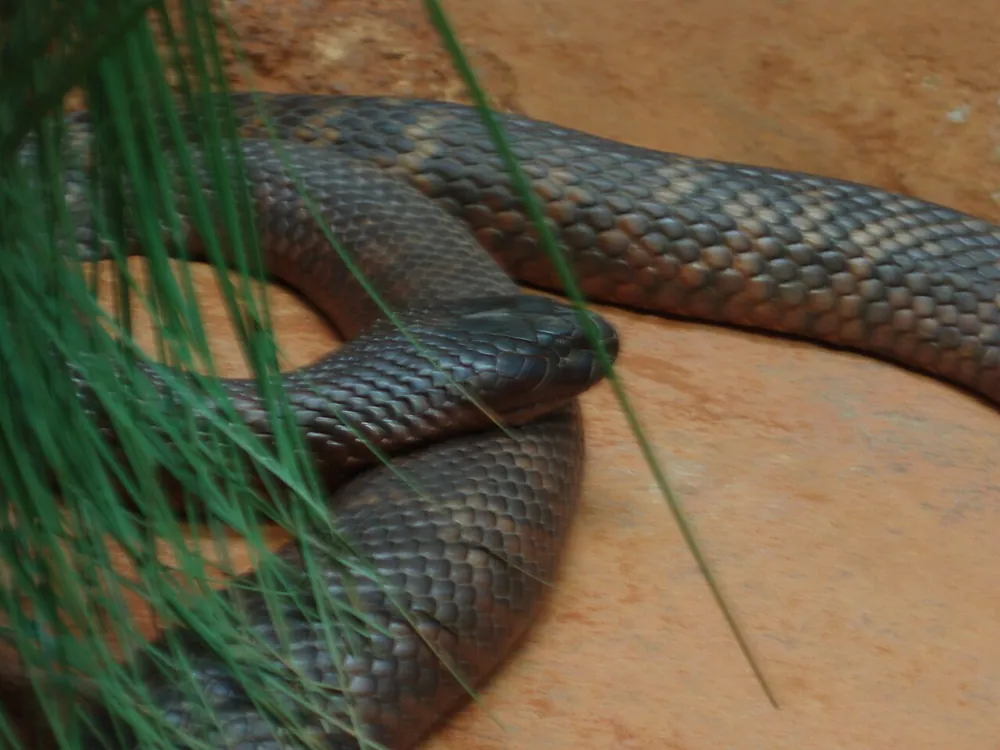
 Otú ị ga-esi mata ya
- Dark brown to black upperparts with pink or cream banding and sides1
- Irregular cross-shaped bands that are usually orange-red1
- Pale yellow to orange underparts, often the same colour as the bands1
- Young snakes are usually the same colour as adults but with brighter shades and more contrast1
A na-agwakọkarị ya na: It has a similar body structure to the red-bellied black snake, but the two look quite different. Collett's snake is the most colourful of the black snakes in its genus.1
Ike nsị
Nsị na-esi n'eze nsị ya ma ọ bụ eze ya apụta mgbe ọ na-ata.
Gịnị ka nsị ọ na-agba na-eme?
Its venom is cytotoxic, which means it damages cells, and it has haemolytic activity, which means it breaks down red blood cells. It may also contain neurotoxins, which attack the nerves. Early symptoms include nausea, vomiting, abdominal pain, diarrhoea and headache. Within 24 hours, severe cases can progress to rhabdomyolysis (muscle breakdown) and acute kidney injury if fluid replacement and antivenom are not given. One strike delivers about 30 milligrams of venom.1
Kedu otú o si dị egwu nye mmadụ?
Ihe ize ndụ nye mmadụ: Ọ dị egwu nke ukwuuỌ nwere ike igbu onye na-enwetaghị ọgwụgwọ.Its bite can be fatal. It was once thought to be only moderately venomous to people, but it is now known to have caused severe envenomation. It is considered the nineteenth most venomous snake in the world.1
 Ozi ọma: ndị dọkịta nwere ọgwụ (antivenom) ma ọ bụ ọgwụgwọ maka nke a.1
 Ọ bụrụ na ọ tara
- Fluid replacement and black snake antivenom should be given as soon as possible, because serious kidney damage can occur within 24 hours. Black snake or tiger snake antivenom can be used.1
- Mkpakọ na nkwụsi ahụ (pressure immobilisation): jiri bandeji na-agbatị agbatị (elastic bandage) kee ebe ọ tara nke ọma, wee kee ya gaa n'elu aka ma ọ bụ ụkwụ ahụ niile, jiri splint (osisi nkwado) kwado ya, mee ka onye ahụ ghara imegharị ahụ ma ọlị ruo mgbe enyemaka bịarutere.
- Asala ebe ọ tara: ụlọ ọgwụ nwere ike ịnwale nsị fọdụrụ n'akpụkpọ ahụ iji họrọ ọgwụ mgbochi nsị (antivenom) kwesịrị ekwesị.
Na-ebu ụzọ kpọọ nọmba mberede gị mgbe niile (112, 000, 911). Nke a bụ ndụmọdụ enyemaka mbụ n'ozuzu, ọ bụghị ndụmọdụ ọgwụ. Isi ihe enyemaka mbụ
 Nọrọ na nchekwa
- Emetụla anụ ọhịa aka, ejidela ya, emekwala ya ihe ọjọọ, ọbụna obere, ọbụna ma ọ dị ka ọ na-ehi ụra ma ọ bụ nwụọ anwụ.
- Nye ya ohere. Ọ bụrụ na ị zutere otu, dị jụụ, laghachi azụ nwayọ, hapụ ya ka ọ gaa ụzọ ya.
- Ọ bụrụ na otu tara gị: dị jụụ, emegharịla ahụ, kpọọ nọmba mberede gị (112, 000, 911) ma ọ bụ gaa ụlọ ọgwụ ngwa ngwa. Cheta ka o si dị, foto na-enye aka.
Ọ naghị achụ gị. Ọ na-eji nsị ya ejide nri ma ọ bụ chebe onwe ya, ọ ga-akakwa mma n'anya ya ịzo onwe ya. Ihe ndị ọzọ gbasara ịnọ na nchekwa
Ọ hà aṅaa?
Kedu otú o si dị ogologo?
 dị ogologo dị ka nkịta 2.5 site n'imi ruo n'ọdụ
 dị ogologo dị ka unere 14 a tọgbọrọ n'ahịrị
 nwere ike ịgba ọsọ mita 100 n'ime sekọnd 46 (mmadụ kacha ọsọ chọrọ 9,6)
Kedu otú Collett's snake si hà ma e jiri ya tụnyere GỊ?
Naanị mgbakọ na mwepụ n'ime browser gị. Ọ dịghị ihe echekwara ma ọ bụ ezigara ebe ọ bụla.
Kedu otú o si agba ọsọ?


Eziokwu
Onye na-ekpughe akụkọ ụgha
Akụkọ ụgha: It was once thought to be only moderately venomous to people.
Eziokwu: Cases of severe envenomation, including muscle breakdown and kidney injury, are now known.1
Ebe eziokwu ndị a si
- Collett's snake (Wikipedia (CC BY-SA 4.0))
- Pseudechis colletti (iNaturalist): aha na nhazi ọkwa.
- Venom Wiki: ọkwa ihe ize ndụ, nha nkịtị na nchepụta ọsọ bụ nke anyị. Lee otú anyị si achọpụta ha: Otú anyị si atụ ihe ize ndụ.
Eziokwu ọ bụla dị na peeji a nwere nọmba na-egosi ebe o si. Ọ bụrụ na anyị mehiere ihe, ndo, anyị bụ ndị hụrụ anụmanụ n'anya, ọ bụghị akwụkwọ akụkọ sayensị. Gwa anyị na [email protected], anyị ga-edozi ya.
 Akpị agụụ na-agụ! Venom Wiki bụ ọrụ otu onye: n'efu, na-enweghị mgbasa ozi na ndị na-esochi gị. Obere onyinye na-enyere aka idebe ya n'ịntanetị.Nye akpị nri
Ndị ọzọ si n'otu ahụ: Agwọ Ọstrelia
 Coastal taipan
 Common death adder
 Eastern brown snake
 Taipan nke ime obodo
 Agwọ agụ
 Desert death adder
Ọ na-ebikwa na: Ọstrelia na Oshenia
 Sydney funnel-web spiderTarantula na funnel-webNa-egbu egbu
 Redback spiderUdudoỌ chọrọ dọkịta
 Brown tree snakeAgwọ nwere eze nsị n'azụ ọnụNaanị na-afụ ụfụ
 Hooded pitohuiAnụmanụ ndị ọzọ nwere nsị n'ahụNaanị na-afụ ụfụEmetụla ya aka
 PlatypusAnụ na-enye ara na-agba nsịNaanị na-afụ ụfụ
 Northern tree-dwelling funnel-web spiderTarantula na funnel-webNa-egbu egbu