
 Afrịka
 Eshia
Eshia Yurop
Yurop Ndịda Amerika
 Ọstrelia na Oshenia
 Antaktika
 Oké Osimiri Pasifik
 Oké Osimiri Atlantik
 Oké Osimiri India
 Oké Osimiri Arktik
 Osimiri Mediterenian
 Osimiri Uhie
 Osimiri Karibịan
 Osimiri Coral
 Osimiri Ndịda China
 Osimiri Filipin
 Osimiri Andaman
 Osimiri Ugwu (North Sea)
 Osimiri Timor na Arafura
 Ọwara Bengal
 Ọwara California
Common lancehead
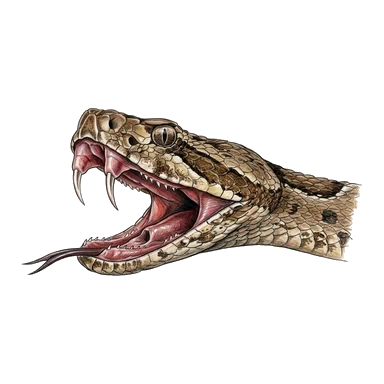 Ịta
ỊtaThe common lancehead is a highly venomous pit viper that lives in the tropical lowlands of northern South America and on the Caribbean island of Trinidad. It is one of the most common pit vipers in its range and is not endangered. Its venom disrupts blood clotting, which makes its bite especially serious.1
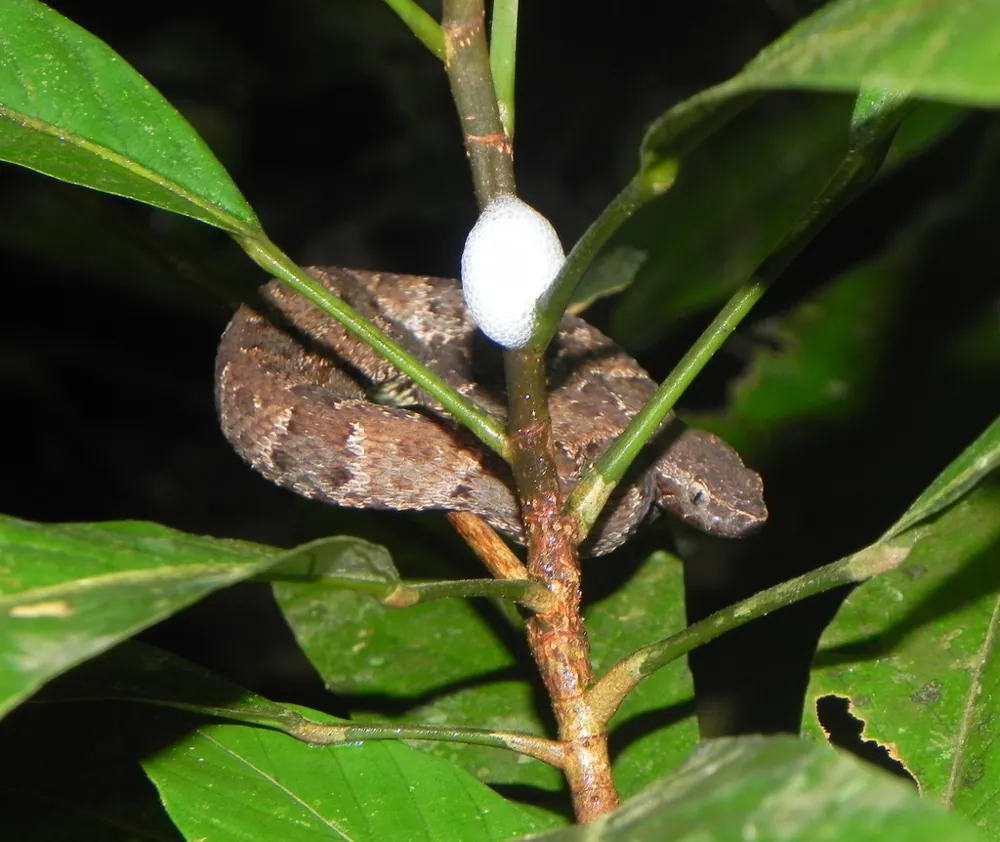
 Otú ị ga-esi mata ya
- Ground colour is olive, brown, tan, grey or yellow, and rarely rusty.1
- The body pattern is a series of blotches that often fuse into bands. The markings are X-like, which is why some local names refer to the letter X.1
- The chin is pale yellow, and a dark stripe runs from behind the eye to the corner of the mouth.1
- The irises are gold or bronze, and the tongue is black.1
- Adults usually measure 75 to 125 cm in total length and are moderately heavy-bodied.1
A na-agwakọkarị ya na: It is often confused with Bothrops asper, which was once included in this species. Most authorities now consider B. asper to be a separate species. This confusion also makes reports of its maximum size unclear.1
Ike nsị
Nsị na-esi n'eze nsị ya ma ọ bụ eze ya apụta mgbe ọ na-ata.
Gịnị ka nsị ọ na-agba na-eme?
Its venom is haemorrhagic, meaning it damages the lining of blood vessels and uses up the substances that allow blood to clot. Symptoms can include severe bleeding, kidney failure, abnormal clotting, blisters and necrosis (death of body tissue). Bleeding in the brain can also occur. Recovery from the clotting problem has been seen 14 to 30 hours after a bite.1
Kedu otú o si dị egwu nye mmadụ?
Ihe ize ndụ nye mmadụ: Na-egbu egbuOtu n'ime anụmanụ kacha dị egwu n'ụwa.The bite is serious and can be fatal. Plantation workers are often bitten. Juvenile snakes have more lethal venom that kills more quickly, and people bitten by young snakes are more likely to develop the clotting problem. In a case reported in the Brazilian Amazon, the patient died of a stroke even after antivenom was given. A Mexican polyvalent antivenom tested against it had no effect on the clotting problem.1
Gịnị ka ọ na-eme mgbe ụjọ tụrụ ya?
It is easily agitated, and it can lie camouflaged for hours, nearly undetectable, then strike at high speed.1
 Ọ bụrụ na ọ tara
- Mee ka onye ahụ ghara imegharị ahụ, dịkwa jụụ, debe aka ma ọ bụ ụkwụ ahụ ọ tara n'ogo obi, wepụ mgbanaka na ihe ndị kekọrọ ahụ ike, kpọga ya ụlọ ọgwụ ngwa ngwa.
Na-ebu ụzọ kpọọ nọmba mberede gị mgbe niile (112, 000, 911). Nke a bụ ndụmọdụ enyemaka mbụ n'ozuzu, ọ bụghị ndụmọdụ ọgwụ. Isi ihe enyemaka mbụ
 Nọrọ na nchekwa
- Emetụla anụ ọhịa aka, ejidela ya, emekwala ya ihe ọjọọ, ọbụna obere, ọbụna ma ọ dị ka ọ na-ehi ụra ma ọ bụ nwụọ anwụ.
- Nye ya ohere. Ọ bụrụ na ị zutere otu, dị jụụ, laghachi azụ nwayọ, hapụ ya ka ọ gaa ụzọ ya.
- Ọ bụrụ na otu tara gị: dị jụụ, emegharịla ahụ, kpọọ nọmba mberede gị (112, 000, 911) ma ọ bụ gaa ụlọ ọgwụ ngwa ngwa. Cheta ka o si dị, foto na-enye aka.
Ọ naghị achụ gị. Ọ na-eji nsị ya ejide nri ma ọ bụ chebe onwe ya, ọ ga-akakwa mma n'anya ya ịzo onwe ya. Ihe ndị ọzọ gbasara ịnọ na nchekwa
Ọ hà aṅaa?
Kedu otú o si dị ogologo?
 dị ogologo dị ka nwamba ụlọ 3 site n'imi ruo n'ọdụ
 dị ogologo dị ka unere 9 a tọgbọrọ n'ahịrị
 nwere ike ịgba ọsọ mita 100 n'ime sekọnd 92 (mmadụ kacha ọsọ chọrọ 9,6)
Kedu otú Common lancehead si hà ma e jiri ya tụnyere GỊ?
Naanị mgbakọ na mwepụ n'ime browser gị. Ọ dịghị ihe echekwara ma ọ bụ ezigara ebe ọ bụla.
Kedu otú o si agba ọsọ?


Eziokwu
An enzyme called reptilase, or batroxobin, is taken from its venom and used in modern medical laboratories to measure fibrinogen levels and blood clotting. The enzyme is not affected by heparin.1
Although it is mostly terrestrial, it is an excellent swimmer and will climb trees when needed to reach prey.1
Females with developing embryos move in and out of sunlight to keep themselves and the embryos at a constant temperature.1
Venom yield averages 124 milligrams, but can reach 342 milligrams.1
Despite the large-scale destruction of rainforests, it is among the most numerous and common of pit vipers.1
Maka ndị ọkachamara nsị
- Aha sayensị
- Bothrops atrox
- Otu
- Pit viper
- Ezinụlọ
- Viperidae2
- Usoro
- Squamata
- Kọntinent dị iche iche
- Ndịda Amerika
- Ụmụ ọhụrụ
- It gives birth to live young, up to 80 at once, with an average of about 60 per litter in equatorial regions after a gestation of three to four months.1
- Otú ọ na-eme n'ọhịa
- Not endangered1
- Ihe ize ndụ nye mmadụ
- 5 / 5: Na-egbu egbu3
Ebe eziokwu ndị a si
- Bothrops atrox (Wikipedia (CC BY-SA 4.0))
- Bothrops atrox (iNaturalist): aha na nhazi ọkwa.
- Venom Wiki: ọkwa ihe ize ndụ, nha nkịtị na nchepụta ọsọ bụ nke anyị. Lee otú anyị si achọpụta ha: Otú anyị si atụ ihe ize ndụ.
Eziokwu ọ bụla dị na peeji a nwere nọmba na-egosi ebe o si. Ọ bụrụ na anyị mehiere ihe, ndo, anyị bụ ndị hụrụ anụmanụ n'anya, ọ bụghị akwụkwọ akụkọ sayensị. Gwa anyị na [email protected], anyị ga-edozi ya.
 Akpị agụụ na-agụ! Venom Wiki bụ ọrụ otu onye: n'efu, na-enweghị mgbasa ozi na ndị na-esochi gị. Obere onyinye na-enyere aka idebe ya n'ịntanetị.Nye akpị nri
Ndị ọzọ si n'otu ahụ: Pit viper
 Terciopelo
 Eyelash viper
 Golden lancehead
 South American bushmaster
 Jararaca
 Jararacussu
Ọ na-ebikwa na: Ndịda Amerika
 Golden poison frogAwọ nsị, awọ ala na newtNa-egbu egbuEmetụla ya aka
 Brazilian wandering spiderUdudoNwere ike igbu mmadụ
 Cane toadAwọ nsị, awọ ala na newtỌ chọrọ dọkịtaEmetụla ya aka
 Peruvian giant centipedeCentipedeỌ chọrọ dọkịta
 Bullet antArụrụNaanị na-afụ ụfụ
 Common vampire batAnụ na-enye ara na-agba nsịNaanị na-afụ ụfụ