
 Afrịka
 Eshia
Eshia Yurop
Yurop Ndịda Amerika
 Ọstrelia na Oshenia
 Antaktika
 Oké Osimiri Pasifik
 Oké Osimiri Atlantik
 Oké Osimiri India
 Oké Osimiri Arktik
 Osimiri Mediterenian
 Osimiri Uhie
 Osimiri Karibịan
 Osimiri Coral
 Osimiri Ndịda China
 Osimiri Filipin
 Osimiri Andaman
 Osimiri Ugwu (North Sea)
 Osimiri Timor na Arafura
 Ọwara Bengal
 Ọwara California
Jararaca
 Ịta
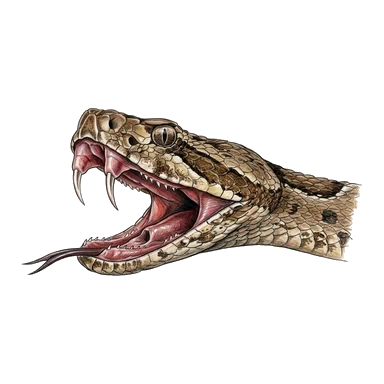
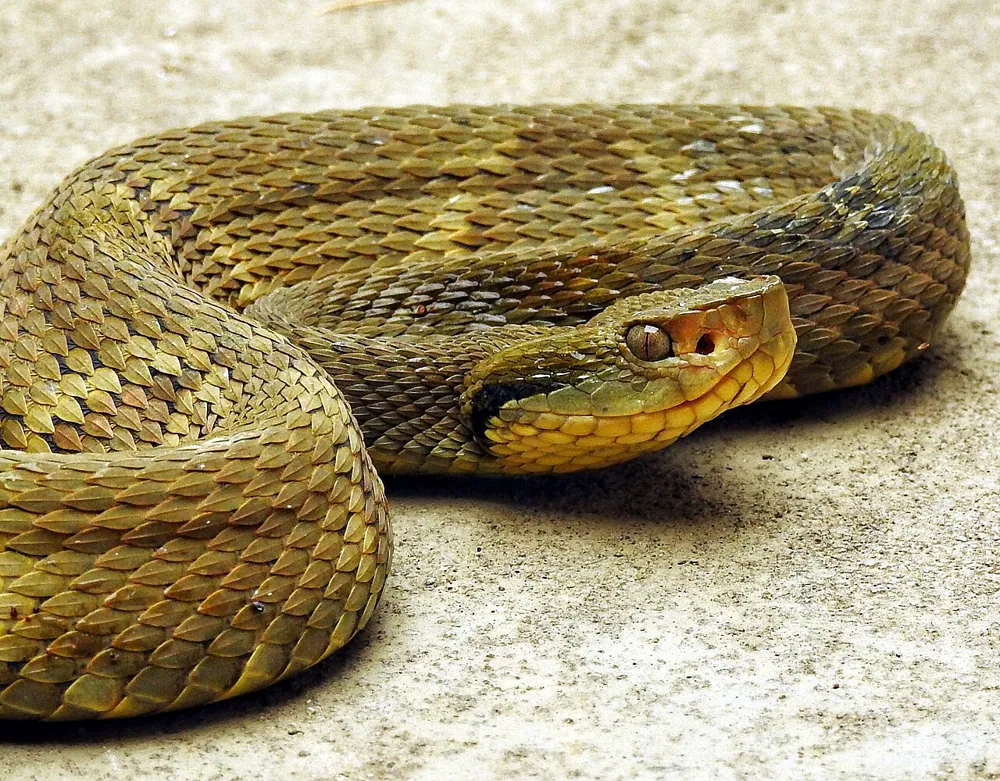
ỊtaThe jararaca is a highly venomous pit viper from South America. It is an important cause of snakebites in the areas where it lives. Its venom also gave scientists a peptide that was used to develop a family of heart and blood pressure drugs.1
 Otú ị ga-esi mata ya
- Slender body. Adults can reach a maximum total length of 160 cm, but most are much shorter.1
- Colour varies a lot, from tan, brown, grey, yellow and olive to almost maroon.1
- Rows of pale-edged, dark brown, triangular or trapezoidal markings run along each side of the body.1
- A prominent dark brown stripe runs from behind each eye to the corner of the mouth.1
- Juveniles have a white tip on the tail. The tongue is black and the iris is gold to greenish gold.1
Ike nsị
Nsị na-esi n'eze nsị ya ma ọ bụ eze ya apụta mgbe ọ na-ata.
Gịnị ka nsị ọ na-agba na-eme?
The venom is quite toxic and affects blood clotting. Typical effects include local swelling, bruising and blistering of the bitten limb, and bleeding from the gums and into the skin. Serious cases can involve bleeding in the brain, shock and kidney failure.1
Kedu otú o si dị egwu nye mmadụ?
Ihe ize ndụ nye mmadụ: Ọ dị egwu nke ukwuuỌ nwere ike igbu onye na-enwetaghị ọgwụgwọ.In southeastern Brazil, this species caused 52% (3,446 cases) of snakebites recorded between 1902 and 1945, with a fatality rate of 0.7%. Its systemic symptoms can be fatal.1
 Ozi ọma: ndị dọkịta nwere ọgwụ (antivenom) ma ọ bụ ọgwụgwọ maka nke a.1
 Ọ bụrụ na ọ tara
- Get to a hospital fast. In a recorded case, a patient was treated in hospital with bothropic antivenom and fluid replacement.1
- Mee ka onye ahụ ghara imegharị ahụ, dịkwa jụụ, debe aka ma ọ bụ ụkwụ ahụ ọ tara n'ogo obi, wepụ mgbanaka na ihe ndị kekọrọ ahụ ike, kpọga ya ụlọ ọgwụ ngwa ngwa.
Na-ebu ụzọ kpọọ nọmba mberede gị mgbe niile (112, 000, 911). Nke a bụ ndụmọdụ enyemaka mbụ n'ozuzu, ọ bụghị ndụmọdụ ọgwụ. Isi ihe enyemaka mbụ
 Nọrọ na nchekwa
- Emetụla anụ ọhịa aka, ejidela ya, emekwala ya ihe ọjọọ, ọbụna obere, ọbụna ma ọ dị ka ọ na-ehi ụra ma ọ bụ nwụọ anwụ.
- Nye ya ohere. Ọ bụrụ na ị zutere otu, dị jụụ, laghachi azụ nwayọ, hapụ ya ka ọ gaa ụzọ ya.
- Ọ bụrụ na otu tara gị: dị jụụ, emegharịla ahụ, kpọọ nọmba mberede gị (112, 000, 911) ma ọ bụ gaa ụlọ ọgwụ ngwa ngwa. Cheta ka o si dị, foto na-enye aka.
Ọ naghị achụ gị. Ọ na-eji nsị ya ejide nri ma ọ bụ chebe onwe ya, ọ ga-akakwa mma n'anya ya ịzo onwe ya. Ihe ndị ọzọ gbasara ịnọ na nchekwa
Ọ hà aṅaa?
Kedu otú o si dị ogologo?
 dị ogologo dị ka nwamba ụlọ 3 site n'imi ruo n'ọdụ
 dị ogologo dị ka unere 9 a tọgbọrọ n'ahịrị
 nwere ike ịgba ọsọ mita 100 n'ime sekọnd 97 (mmadụ kacha ọsọ chọrọ 9,6)
Kedu otú Jararaca si hà ma e jiri ya tụnyere GỊ?
Naanị mgbakọ na mwepụ n'ime browser gị. Ọ dịghị ihe echekwara ma ọ bụ ezigara ebe ọ bụla.
Kedu otú o si agba ọsọ?


Eziokwu
The drugs known as ACE inhibitors, used to treat high blood pressure and some types of heart failure, were developed from a peptide found in this snake's venom. Brazilian scientist Sérgio Henrique Ferreira developed them in 1965.1
An enzyme derived from the venom, called haemocoagulase, is used as an anti-haemorrhagic drug, meaning it helps stop bleeding.1
Males mate with more than one female, and males sometimes fight over females.1
Ebe eziokwu ndị a si
- Bothrops jararaca (Wikipedia (CC BY-SA 4.0))
- Bothrops jararaca (iNaturalist): aha na nhazi ọkwa.
- Venom Wiki: ọkwa ihe ize ndụ, nha nkịtị na nchepụta ọsọ bụ nke anyị. Lee otú anyị si achọpụta ha: Otú anyị si atụ ihe ize ndụ.
Eziokwu ọ bụla dị na peeji a nwere nọmba na-egosi ebe o si. Ọ bụrụ na anyị mehiere ihe, ndo, anyị bụ ndị hụrụ anụmanụ n'anya, ọ bụghị akwụkwọ akụkọ sayensị. Gwa anyị na [email protected], anyị ga-edozi ya.
 Akpị agụụ na-agụ! Venom Wiki bụ ọrụ otu onye: n'efu, na-enweghị mgbasa ozi na ndị na-esochi gị. Obere onyinye na-enyere aka idebe ya n'ịntanetị.Nye akpị nri
Ndị ọzọ si n'otu ahụ: Pit viper
 Terciopelo
 Eyelash viper
 Golden lancehead
 South American bushmaster
 Common lancehead
 Jararacussu
Ọ na-ebikwa na: Ndịda Amerika
 Golden poison frogAwọ nsị, awọ ala na newtNa-egbu egbuEmetụla ya aka
 Brazilian wandering spiderUdudoNwere ike igbu mmadụ
 Cane toadAwọ nsị, awọ ala na newtỌ chọrọ dọkịtaEmetụla ya aka
 Peruvian giant centipedeCentipedeỌ chọrọ dọkịta
 Bullet antArụrụNaanị na-afụ ụfụ
 Common vampire batAnụ na-enye ara na-agba nsịNaanị na-afụ ụfụ