
 Afrịka
 Eshia
Eshia Yurop
Yurop Ndịda Amerika
 Ọstrelia na Oshenia
 Antaktika
 Oké Osimiri Pasifik
 Oké Osimiri Atlantik
 Oké Osimiri India
 Oké Osimiri Arktik
 Osimiri Mediterenian
 Osimiri Uhie
 Osimiri Karibịan
 Osimiri Coral
 Osimiri Ndịda China
 Osimiri Filipin
 Osimiri Andaman
 Osimiri Ugwu (North Sea)
 Osimiri Timor na Arafura
 Ọwara Bengal
 Ọwara California
Eastern bloodsucking conenose
 Ịta
ỊtaThe eastern bloodsucking conenose is a winged insect that feeds on blood. It belongs to the group called kissing bugs and lives across North America and Latin America, especially in the southeastern United States. It matters because it can carry the parasite that causes Chagas disease.1



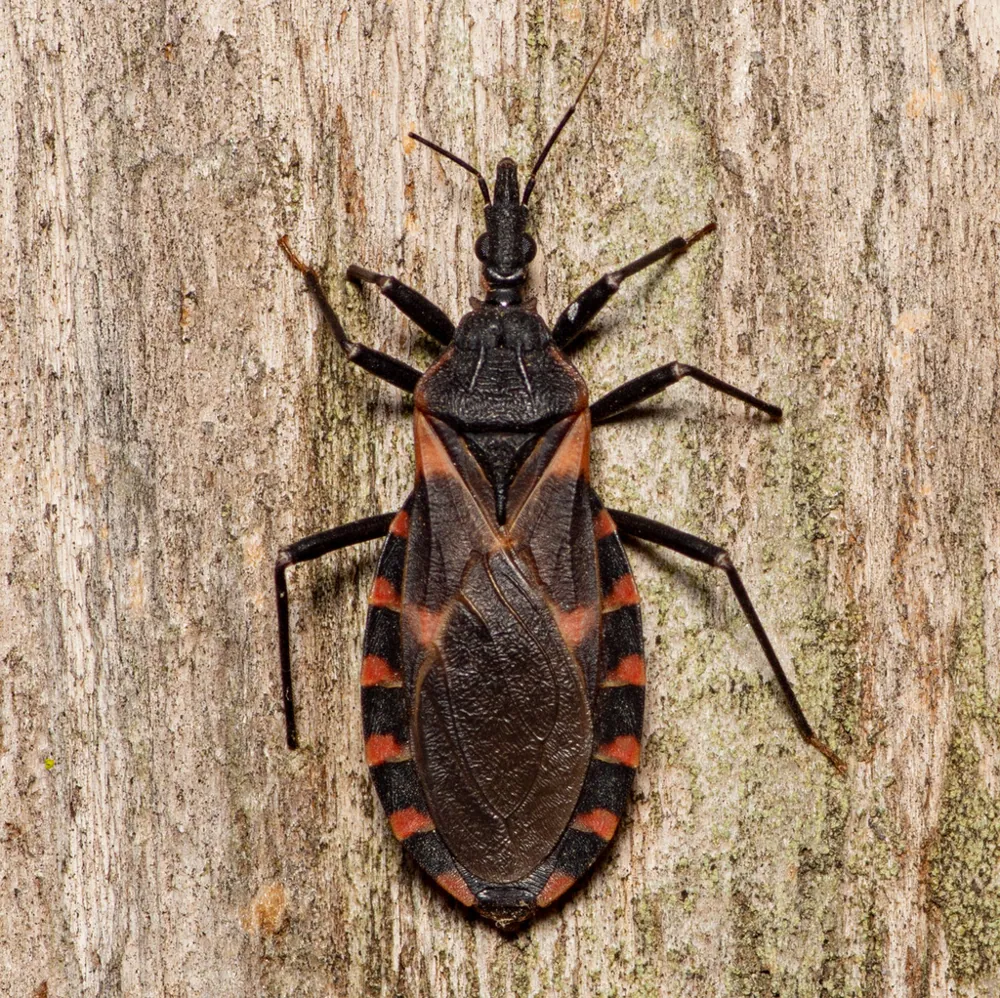
 Otú ị ga-esi mata ya
Ike nsị
Nsị na-esi n'eze nsị ya ma ọ bụ eze ya apụta mgbe ọ na-ata.
Kedu otú o si dị egwu nye mmadụ?
Ihe ize ndụ nye mmadụ: Na-afụ ụfụỌ nwere ike ịfụ ụfụ nke ukwuu, mana ọ naghị adịkarị njọ.Its bites are usually not particularly painful, but they are irritating. Bites can spread Trypanosoma cruzi, which causes Chagas disease. An estimated six to eight million people are currently infected, mainly in South America, with around 28,000 new cases each year. Documented cases in the United States are rare, with seven human infections from any Triatoma species reported in Texas, California, Tennessee and Louisiana.1
 Ọ bụrụ na ọ tara
- Maka ajị ikpuru na-agba agba: jiri teepu na-arapara arapara wepụ ha, wee saa akpụkpọ ahụ. Ehichala ya.
- Maka ịta: saa ya, mee ka ọ jụọ oyi. Chọọ enyemaka ọgwụ ma ọ bụrụ na ahụ adịghị onye ahụ mma ma ọ bụ na ọbara na-agba ya ngwa ngwa.
Na-ebu ụzọ kpọọ nọmba mberede gị mgbe niile (112, 000, 911). Nke a bụ ndụmọdụ enyemaka mbụ n'ozuzu, ọ bụghị ndụmọdụ ọgwụ. Isi ihe enyemaka mbụ
 Nọrọ na nchekwa
- Emetụla anụ ọhịa aka, ejidela ya, emekwala ya ihe ọjọọ, ọbụna obere, ọbụna ma ọ dị ka ọ na-ehi ụra ma ọ bụ nwụọ anwụ.
- Nye ya ohere. Ọ bụrụ na ị zutere otu, dị jụụ, laghachi azụ nwayọ, hapụ ya ka ọ gaa ụzọ ya.
- Ọ bụrụ na otu tara gị: dị jụụ, emegharịla ahụ, kpọọ nọmba mberede gị (112, 000, 911) ma ọ bụ gaa ụlọ ọgwụ ngwa ngwa. Cheta ka o si dị, foto na-enye aka.
Ọ naghị achụ gị. Ọ na-eji nsị ya ejide nri ma ọ bụ chebe onwe ya, ọ ga-akakwa mma n'anya ya ịzo onwe ya. Ihe ndị ọzọ gbasara ịnọ na nchekwa
Ọ hà aṅaa?
Kedu otú o si dị ogologo?
 ọ dị ogologo ihe dị ka pepa klip
Kedu otú Eastern bloodsucking conenose si hà ma e jiri ya tụnyere GỊ?
Naanị mgbakọ na mwepụ n'ime browser gị. Ọ dịghị ihe echekwara ma ọ bụ ezigara ebe ọ bụla.
Kedu otú o si agba ọsọ?


Eziokwu
It bites people in the face, usually around the mouth or eyes, most often while they are asleep.1
At one location in Louisiana, 40% of these bugs were found to carry Trypanosoma cruzi, and 38% of those had fed on humans.1
Annual new cases of Chagas disease fell from about 700,000 in 1990 to around 28,000 today.1
Onye na-ekpughe akụkọ ụgha
Akụkọ ụgha: A bite from this bug directly gives you Chagas disease.
Eziokwu: Infection usually happens when the bug's faeces get into the bite site, for example when a sleeping person scratches or rubs their face. This species does not defecate while feeding, which makes transmission much less likely.1
Maka ndị ọkachamara nsị
- Aha sayensị
- Triatoma sanguisuga
- Otu
- Ikpuru ajị na ụmụ ahụhụ
- Ezinụlọ
- Reduviidae2
- Usoro
- Hemiptera
- Kọntinent dị iche iche
- Ugwu Amerika
- Ụmụ ọhụrụ
- The female typically lays eggs four to six days after a blood meal, and one female may lay hundreds of eggs in her lifetime. After hatching, the young bug feeds on blood and moults eight times before it becomes an adult.1
- Ihe ize ndụ nye mmadụ
- 2 / 5: Na-afụ ụfụ3
Ebe eziokwu ndị a si
- Triatoma sanguisuga (Wikipedia (CC BY-SA 4.0))
- Triatoma sanguisuga (iNaturalist): aha na nhazi ọkwa.
- Venom Wiki: ọkwa ihe ize ndụ, nha nkịtị na nchepụta ọsọ bụ nke anyị. Lee otú anyị si achọpụta ha: Otú anyị si atụ ihe ize ndụ.
Eziokwu ọ bụla dị na peeji a nwere nọmba na-egosi ebe o si. Ọ bụrụ na anyị mehiere ihe, ndo, anyị bụ ndị hụrụ anụmanụ n'anya, ọ bụghị akwụkwọ akụkọ sayensị. Gwa anyị na [email protected], anyị ga-edozi ya.
 Akpị agụụ na-agụ! Venom Wiki bụ ọrụ otu onye: n'efu, na-enweghị mgbasa ozi na ndị na-esochi gị. Obere onyinye na-enyere aka idebe ya n'ịntanetị.Nye akpị nri
Ndị ọzọ si n'otu ahụ: Ikpuru ajị na ụmụ ahụhụ
 Giant water bugIkpuru ajị na ụmụ ahụhụNaanị na-afụ ụfụ
 Puss caterpillarIkpuru ajị na ụmụ ahụhụNaanị na-afụ ụfụEmetụla ya aka
 Saddleback caterpillarIkpuru ajị na ụmụ ahụhụNaanị na-afụ ụfụEmetụla ya aka
 Wheel bugIkpuru ajị na ụmụ ahụhụNaanị na-afụ ụfụ
 Giant vinegaroonIkpuru ajị na ụmụ ahụhụAdịghị njọ
 Rhodnius kissing bugIkpuru ajị na ụmụ ahụhụỌ chọrọ dọkịta
 Terciopelo
 Eastern coral snake
 Eastern diamondback rattlesnake
 Eyelash viper
 Timber rattlesnake
 Western diamondback rattlesnake