
 Afrịka
 Eshia
Eshia Yurop
Yurop Ndịda Amerika
 Ọstrelia na Oshenia
 Antaktika
 Oké Osimiri Pasifik
 Oké Osimiri Atlantik
 Oké Osimiri India
 Oké Osimiri Arktik
 Osimiri Mediterenian
 Osimiri Uhie
 Osimiri Karibịan
 Osimiri Coral
 Osimiri Ndịda China
 Osimiri Filipin
 Osimiri Andaman
 Osimiri Ugwu (North Sea)
 Osimiri Timor na Arafura
 Ọwara Bengal
 Ọwara California
European yellow sac spider
 Ịta
ỊtaThe European yellow sac spider is a spider about 1.5 cm long. It lives across a wide area from central Europe to Central Asia. Its bite can break human skin, and it is one of the spiders people in Germany are told to be cautious about.1
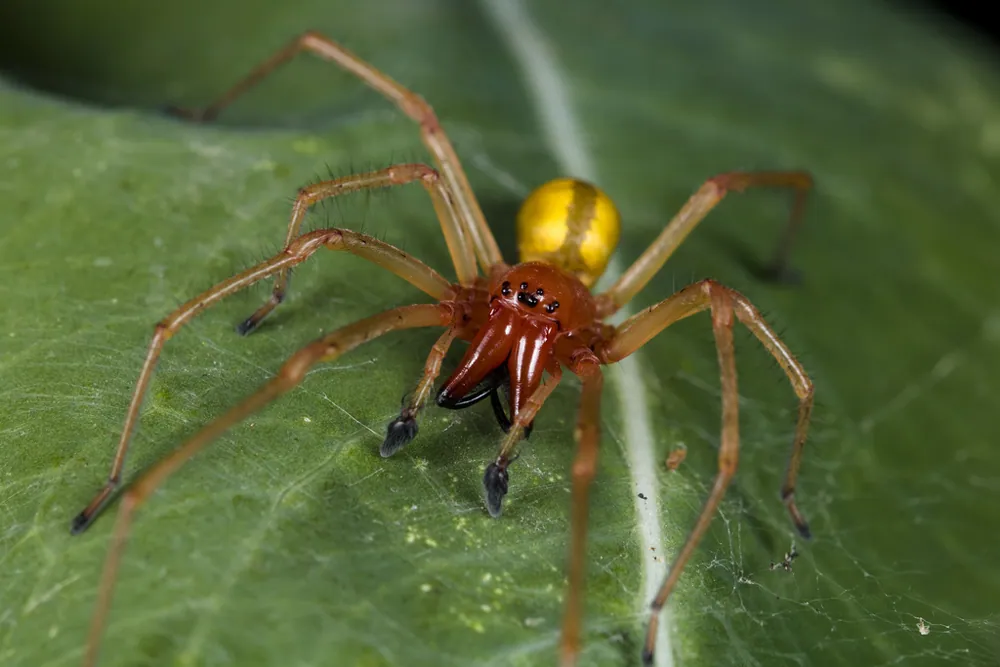
 Otú ị ga-esi mata ya
- Body length is about 15 mm (1.5 cm).1
Ike nsị
Nsị na-esi n'eze nsị ya ma ọ bụ eze ya apụta mgbe ọ na-ata.
Gịnị ka nsị ọ na-agba na-eme?
Its bite can penetrate human skin and feels like a wasp sting, perhaps a little more severe. The bite is considered harmless, but people who are susceptible may have stronger reactions, such as nausea.1
Kedu otú o si dị egwu nye mmadụ?
Ihe ize ndụ nye mmadụ: Na-afụ ụfụỌ nwere ike ịfụ ụfụ nke ukwuu, mana ọ naghị adịkarị njọ.In Germany, where it is rare and found mostly in the southern half, it is described as the only spider considered seriously venomous. Susceptible people may react more strongly than others.1
 Ọ bụrụ na ọ tara
- Saa ebe ọ tara, tinye akpa ice n'elu ya maka mgbu ahụ. Chọọ enyemaka ọgwụ ma ọ bụrụ na mgbu ahụ siri ike, gbasaa, ma ọ bụ na ahụ adịghị onye ahụ mma.
Na-ebu ụzọ kpọọ nọmba mberede gị mgbe niile (112, 000, 911). Nke a bụ ndụmọdụ enyemaka mbụ n'ozuzu, ọ bụghị ndụmọdụ ọgwụ. Isi ihe enyemaka mbụ
 Nọrọ na nchekwa
- Emetụla anụ ọhịa aka, ejidela ya, emekwala ya ihe ọjọọ, ọbụna obere, ọbụna ma ọ dị ka ọ na-ehi ụra ma ọ bụ nwụọ anwụ.
- Nye ya ohere. Ọ bụrụ na ị zutere otu, dị jụụ, laghachi azụ nwayọ, hapụ ya ka ọ gaa ụzọ ya.
- Ọ bụrụ na otu tara gị: dị jụụ, emegharịla ahụ, kpọọ nọmba mberede gị (112, 000, 911) ma ọ bụ gaa ụlọ ọgwụ ngwa ngwa. Cheta ka o si dị, foto na-enye aka.
Ọ naghị achụ gị. Ọ na-eji nsị ya ejide nri ma ọ bụ chebe onwe ya, ọ ga-akakwa mma n'anya ya ịzo onwe ya. Ihe ndị ọzọ gbasara ịnọ na nchekwa
Ọ hà aṅaa?
Kedu otú o si dị ogologo?
 dị mkpụmkpụ karịa obere mkpịsị aka gị
Kedu otú European yellow sac spider si hà ma e jiri ya tụnyere GỊ?
Naanị mgbakọ na mwepụ n'ime browser gị. Ọ dịghị ihe echekwara ma ọ bụ ezigara ebe ọ bụla.
Kedu otú o si agba ọsọ?


Eziokwu
Young spiderlings do not rely on wind to disperse. Instead they use static electricity to float away on silk 'balloons'.1
It is considered the only seriously venomous spider in Germany, though it is rare there.1
In Germany, notable numbers live in the Kaiserstuhl region, the hottest part of the country.1
Maka ndị ọkachamara nsị
- Aha sayensị
- Cheiracanthium punctorium
- Otu
- Ududo
- Ezinụlọ
- Cheiracanthiidae2
- Usoro
- Araneae
- Kọntinent dị iche iche
- Yurop, Eshia
- Ụmụ ọhụrụ
- About 14 days after mating, females produce egg sacs in high grass. The sac opens from the bottom, and the mother aggressively defends it for about 17 days after the young are born.1
- Ihe ize ndụ nye mmadụ
- 2 / 5: Na-afụ ụfụ3
Ebe eziokwu ndị a si
- Cheiracanthium punctorium (Wikipedia (CC BY-SA 4.0))
- Cheiracanthium punctorium (iNaturalist): aha na nhazi ọkwa.
- Venom Wiki: ọkwa ihe ize ndụ, nha nkịtị na nchepụta ọsọ bụ nke anyị. Lee otú anyị si achọpụta ha: Otú anyị si atụ ihe ize ndụ.
Eziokwu ọ bụla dị na peeji a nwere nọmba na-egosi ebe o si. Ọ bụrụ na anyị mehiere ihe, ndo, anyị bụ ndị hụrụ anụmanụ n'anya, ọ bụghị akwụkwọ akụkọ sayensị. Gwa anyị na [email protected], anyị ga-edozi ya.
 Akpị agụụ na-agụ! Venom Wiki bụ ọrụ otu onye: n'efu, na-enweghị mgbasa ozi na ndị na-esochi gị. Obere onyinye na-enyere aka idebe ya n'ịntanetị.Nye akpị nri
Ndị ọzọ si n'otu ahụ: Ududo
 Mediterranean black widow
 Diving bell spider
 Noble false widow
 Tarantula wolf spider
 Daddy long-legs spider
 European garden spider
Ọ na-ebikwa na: Yurop
 Common European adderViper na adderỌ chọrọ dọkịta
 Spanish flyAnụmanụ ndị ọzọ nwere nsị n'ahụỌ chọrọ dọkịtaEmetụla ya aka
 Common waspAṅụ, ebu na ebu ukwuNaanị na-afụ ụfụ
 European hornetAṅụ, ebu na ebu ukwuNaanị na-afụ ụfụ
 Fire salamanderAwọ nsị, awọ ala na newtNaanị na-afụ ụfụEmetụla ya aka
 Western honey beeAṅụ, ebu na ebu ukwuNaanị na-afụ ụfụ