
 Afrịka
 Eshia
Eshia Yurop
Yurop Ndịda Amerika
 Ọstrelia na Oshenia
 Antaktika
 Oké Osimiri Pasifik
 Oké Osimiri Atlantik
 Oké Osimiri India
 Oké Osimiri Arktik
 Osimiri Mediterenian
 Osimiri Uhie
 Osimiri Karibịan
 Osimiri Coral
 Osimiri Ndịda China
 Osimiri Filipin
 Osimiri Andaman
 Osimiri Ugwu (North Sea)
 Osimiri Timor na Arafura
 Ọwara Bengal
 Ọwara California
White-winged vampire bat
 Ịta
ỊtaThe white-winged vampire bat is a small bat that feeds on blood. It lives from Mexico to northern Argentina, and also on the islands of Trinidad and Margarita Island. Its pale wing edges make it easy to tell apart from some of its relatives.1


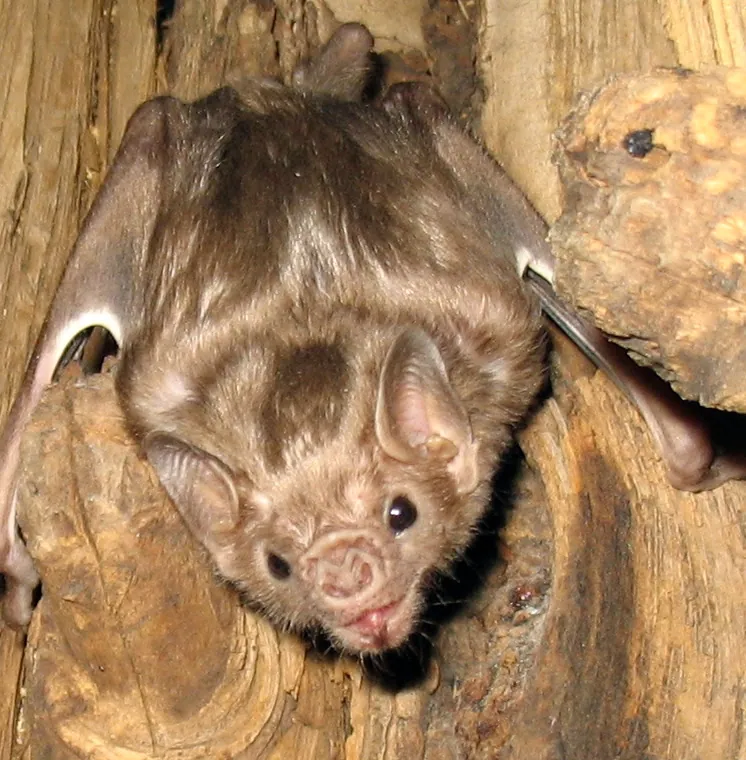
 Otú ị ga-esi mata ya
- Fur is clay-coloured, light brown or dark cinnamon brown.1
- The outline of the wings is white, as is the membrane between the second and third fingers.1
- Ears are 18 mm long, longer than they are wide.1
- Nose to tail length is about 84 mm, and it weighs 31.7–48.1 g.1
- Its forearms are 51–54 mm long.1
A na-agwakọkarị ya na: It is often confused with the common vampire bat. The white-winged vampire bat has a smooth outer edge on its tragus (the small flap in front of the ear), while the common vampire bat's is serrated. Its thumb is also much shorter, and it has 22 teeth, compared with 20 in the common vampire bat.1
Ike nsị
Nsị na-esi n'eze nsị ya ma ọ bụ eze ya apụta mgbe ọ na-ata.
Gịnị ka nsị ọ na-agba na-eme?
Its saliva contains plasminogen activators, which quickly dissolve the clots that form in the host's blood while it feeds. It also contains platelet aggregation inhibitors and other anticoagulants, which stop blood from clotting. These compounds work especially well on birds.1
Kedu otú o si dị egwu nye mmadụ?
Ihe ize ndụ nye mmadụ: ObereDị ka ịgba aṅụ ma ọ bụ nke na-erughị ya. Ọ fọrọ nke nta ka ọ ghara ịdị njọ nye mmadụ.It can transmit rabies, but this appears to be relatively uncommon. The only reports of rabies transmission from this species come from Trinidad.1
Gịnị ka ọ na-eme mgbe ụjọ tụrụ ya?
When disturbed, it produces a foul-smelling odour from cup-shaped scent glands in its mouth, which may help deter predators.1
 Ọ bụrụ na ọ tara
- Saa ọnya ahụ nke ọma, chọọkwa enyemaka ọgwụ.
Na-ebu ụzọ kpọọ nọmba mberede gị mgbe niile (112, 000, 911). Nke a bụ ndụmọdụ enyemaka mbụ n'ozuzu, ọ bụghị ndụmọdụ ọgwụ. Isi ihe enyemaka mbụ
 Nọrọ na nchekwa
- Emetụla anụ ọhịa aka, ejidela ya, emekwala ya ihe ọjọọ, ọbụna obere, ọbụna ma ọ dị ka ọ na-ehi ụra ma ọ bụ nwụọ anwụ.
- Nye ya ohere. Ọ bụrụ na ị zutere otu, dị jụụ, laghachi azụ nwayọ, hapụ ya ka ọ gaa ụzọ ya.
- Ọ bụrụ na otu tara gị: dị jụụ, emegharịla ahụ, kpọọ nọmba mberede gị (112, 000, 911) ma ọ bụ gaa ụlọ ọgwụ ngwa ngwa. Cheta ka o si dị, foto na-enye aka.
Ọ naghị achụ gị. Ọ na-eji nsị ya ejide nri ma ọ bụ chebe onwe ya, ọ ga-akakwa mma n'anya ya ịzo onwe ya. Ihe ndị ọzọ gbasara ịnọ na nchekwa
Ọ hà aṅaa?
Kedu otú o si dị ogologo?
Kedu otú o si dị arọ?

 dị ogologo dị ka blọk egwuregwu 2.5 n'ahịrị
 nwere ike ife gafee ọdụ egwuregwu bọọlụ dum n'ime sekọnd 19
Kedu otú White-winged vampire bat si hà ma e jiri ya tụnyere GỊ?
Naanị mgbakọ na mwepụ n'ime browser gị. Ọ dịghị ihe echekwara ma ọ bụ ezigara ebe ọ bụla.
Kedu otú o si agba ọsọ?


Eziokwu
In captivity, each bat drinks about 16 ml of defibrinated cow or chicken blood per day, and they should be kept in social colonies with dominance hierarchies.1
It is the only bat species in the world with 22 teeth, although older individuals sometimes lose the last upper molars.1
Its brain is large for its body size, which may be because its hunting needs careful planning and stealth.1
It is not as good as the common vampire bat at walking on all fours, but it is quite good at climbing branches.1
It roosts with many other bat species, including the common vampire bat.1
Ebe eziokwu ndị a si
- White-winged vampire bat (Wikipedia (CC BY-SA 4.0))
- Venom Wiki: ọkwa ihe ize ndụ, nha nkịtị na nchepụta ọsọ bụ nke anyị. Lee otú anyị si achọpụta ha: Otú anyị si atụ ihe ize ndụ.
Eziokwu ọ bụla dị na peeji a nwere nọmba na-egosi ebe o si. Ọ bụrụ na anyị mehiere ihe, ndo, anyị bụ ndị hụrụ anụmanụ n'anya, ọ bụghị akwụkwọ akụkọ sayensị. Gwa anyị na [email protected], anyị ga-edozi ya.
 Akpị agụụ na-agụ! Venom Wiki bụ ọrụ otu onye: n'efu, na-enweghị mgbasa ozi na ndị na-esochi gị. Obere onyinye na-enyere aka idebe ya n'ịntanetị.Nye akpị nri
Ndị ọzọ si n'otu ahụ: Anụ na-enye ara na-agba nsị
 Common vampire batAnụ na-enye ara na-agba nsịNaanị na-afụ ụfụ
 Cuban solenodonAnụ na-enye ara na-agba nsịNaanị na-afụ ụfụ
 Hispaniolan solenodonAnụ na-enye ara na-agba nsịNaanị na-afụ ụfụ
 Northern short-tailed shrewAnụ na-enye ara na-agba nsịAdịghị njọ
 Hairy-legged vampire batAnụ na-enye ara na-agba nsịAdịghị njọ
 PlatypusAnụ na-enye ara na-agba nsịNaanị na-afụ ụfụ
 Terciopelo
 Eastern coral snake
 Eastern diamondback rattlesnake
 Eyelash viper
 Timber rattlesnake
 Western diamondback rattlesnake