
 Afirika
 Asiya
Asiya Bulaaya
 Amerika ey'Obukiikaddyo
 Awusitureeliya ne Oseyaniya
 Antakitika
 Oseyani ya Pasifiki
 Oseyani ya Atlantiki
 Oseyani y'e Buyindi
 Oseyani ya Arakitiki
 Ennyanja ya Mediterenia
 Ennyanja Emmyufu
 Ennyanja ya Karibiyani
 Ennyanja ya Korali
 Ennyanja ya China ey'Obukiikaddyo
 Ennyanja ya Bufilipino
 Ennyanja ya Andaman
 Ennyanja ey'Obukiikakkono (North Sea)
 Ennyanja ya Timor ne Arafura
 Ekikono kya Bengal
 Ekikono kya Kalifoniya
Red-tailed bumblebee
 Kibojja
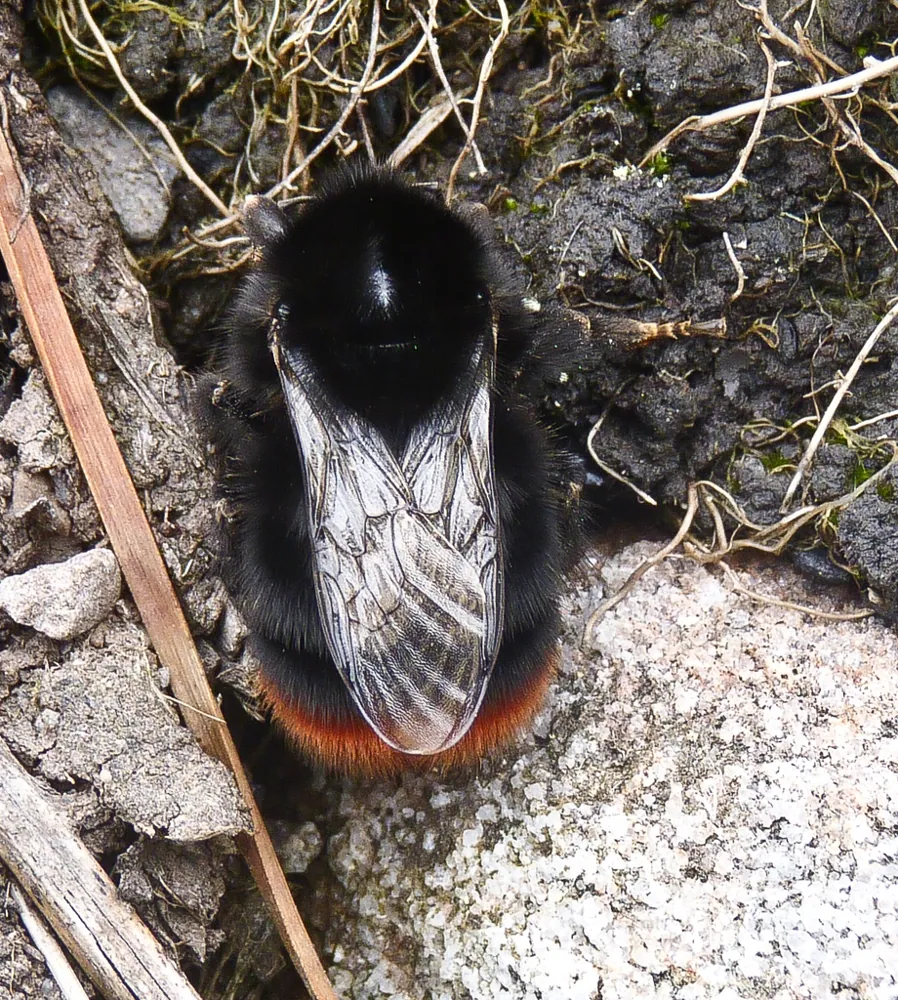
The red-tailed bumblebee is a black bee with red markings at the back of its body. It lives across much of Central Europe, including Britain and Ireland. It is an important pollinator of flowers and crops, and like other bumblebees it can sting.1


 Engeri y'okukitegeera
- Black body with red markings around the abdomen.1
- Males have red and black colouring, a yellow band around the abdomen and yellow markings on the face.1
- Workers and the queen look similar, but the queen is much larger than the workers.1
Kitera okutabulwa ne: Rarer bumblebees such as Bombus ruderarius have a similar appearance.1
Amaanyi g'obusagwa
Obusagwa buyita mu ggwa lyakyo eribojja.
Kirina akabi kenkana wa eri abantu?
Akabi eri abantu: KitonoNga okubojja kw'enjuki oba okutono okusingawo. Kumpi tekirina kabi eri abantu. Bwe kibojja
- Kalakata oggyemu eriggwa ly'enjuki era onyogoze ekifo.
- Omuntu bw'aba nga tassa bulungi, ng'azimbye mu maaso oba mu mumiro, oba ng'awulira ng'agenda kuzirika, buno bubenje bwa alergy obw'amangu: kuba ennamba y'ebigwa bitalaze era kozesa empiso ye eya adrenaline (adrenaline pen) bw'aba nga agirina.
Bulijjo sooka kuba ennamba y'ebigwa bitalaze (112, 000, 911). Buno bulagirizi bwa bujjanjabi obusooka obwa bulijjo, si kuwabula kwa musawo. Obujjanjabi obusooka obw'omusingi
 Weekuume
- Tokwatako, tokwata wadde okusoomooza ensolo ey'omu nsiko, ne bw'eba ntono, era ne bw'eba erabika nga yeebase oba nga efudde.
- Gireke n'ebbanga. Bw'osisinkana emu, beera mukkakkamu, dda emabega mpola era gireke egende mu kkubo lyayo.
- Bw'emu ekubojja: beera mukkakkamu, totambula, kuba ennamba y'ebigwa bitalaze (112, 000, 911) oba tuuka mu ddwaliro mangu. Jjukira bwe yali efaanana, ekifaananyi kiyamba.
Tekikunoonya. Kikozesa obusagwa bwakyo okukwata emmere oba okwekuuma, era kyandisinze kwekweka. Ebirala ku kwekuuma
Wa mu nsi?
Kinene kyenkana wa?
Kiwanvu kyenkana wa?
 kimpi okusinga akagalo ko akatono
 kyandisobodde okubuuka okusala ekisaawe ky'omupiira kyonna mu sikonda 15
Red-tailed bumblebee kinene kyenkana wa bw'ogeraageranya ne GGWE?
Kubala bwokka mu browser yo. Tewali kitterekebwa wadde okusindikibwa wonna.
Kidduka kyenkana wa?


Ebituufu
The bees warm their nest by producing heat with their flight muscles, which they use to incubate the brood.1
Cuckoo bumblebees can invade its nests by copying its chemical scent or by producing a substance that repels the workers.1
Males mark spots with scent to attract females, and these scents are often copied by cuckoo bumblebees.1
Some individuals fly as far as 1,750 metres from the nest to find food, although most forage much closer.1
Males travel much farther than workers, which may help keep the population genetically varied.1
It forages and pollinates at higher temperatures than many other bumblebee species.1
Ku bakugu mu busagwa
- Erinnya erya ssaayansi
- Bombus lapidarius
- Ekibinja
- Enjuki, ennumba n'ennumba ennene
- Amaka
- Apidae2
- Ensengeka
- Hymenoptera
- Ssemazinga
- Bulaaya
- Abaana abawere
- The queen lays eggs in the nest, and workers sometimes eat them. A nest usually holds a few hundred bees at most, with about 100 to 200 workers on average.1
- Kiri kitya mu nsiko
- Near Threatened in Ireland1
- Akabi eri abantu
- 1 / 5: Kitono3
Ebituufu we biva
- Bombus lapidarius (Wikipedia (CC BY-SA 4.0))
- Bombus lapidarius (iNaturalist): amannya n'ensengeka y'ebika.
- Venom Wiki: omutendera gw'akabi, obunene obwa bulijjo n'okuteebereza kw'embiro bibyaffe. Laba engeri gye tubibalamu: Engeri gye tupimamu akabi.
Buli kituufu ku lupapula luno kirina ennamba eraga we kyava. Bwe tuba tukoze ensobi, tusonyiwe, tuli bayagazi ba nsolo, so si magazini ya ssaayansi. Tubuulire ku [email protected] tujja kugitereeza.
 Enjaba erumwa enjala! Venom Wiki pulojekiti ya muntu omu: ya bwereere, tewali birango era tewali bikulondoola. Akasiimo akatono kayamba okugikuuma ku yintaneti.Liisa enjaba
Ebirala okuva mu kibinja kye kimu: Enjuki, ennumba n'ennumba ennene
 Common waspEnjuki, ennumba n'ennumba enneneKiruma bwokka
 European hornetEnjuki, ennumba n'ennumba enneneKiruma bwokka
 Western honey beeEnjuki, ennumba n'ennumba enneneKiruma bwokka
 European paper waspEnjuki, ennumba n'ennumba enneneKiruma bwokka
 German waspEnjuki, ennumba n'ennumba enneneKiruma bwokka
 Buff-tailed bumblebeeEnjuki, ennumba n'ennumba enneneTekirina kabi
Era kibeera mu: Bulaaya
 Common European adderVipers n'essalambwaKyetaaga omusawo
 Spanish flyEnsolo endala ez'obutwaKyetaaga omusawoTokwatako
 Fire salamanderEbikere eby'obutwa, ebikere ebinene (toads) ne newtsKiruma bwokkaTokwatako
 Blunt-nosed viperVipers n'essalambwaKisobola okutta
 Nose-horned viperVipers n'essalambwaKisobola okutta
 Ottoman viperVipers n'essalambwaKisobola okutta