
 Africa
 Asia
Asia Ulaya
Ulaya Amereka ya Kumwera
 Australia ndi Oceania
 Antarctica
 Nyanja ya Pacific
 Nyanja ya Atlantic
 Nyanja ya Indian
 Nyanja ya Arctic
 Nyanja ya Mediterranean
 Nyanja Yofiira
 Nyanja ya Caribbean
 Nyanja ya Coral
 Nyanja ya South China
 Nyanja ya Philippine
 Nyanja ya Andaman
 Nyanja ya Kumpoto (North Sea)
 Nyanja ya Timor ndi Arafura
 Nyanja ya Bengal
 Gulf ya California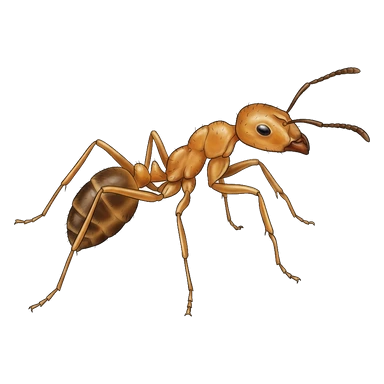
Electric ant
 Imalasa
The electric ant, also called the little fire ant, is a tiny ant, about 1.5 mm long, that can give a surprisingly painful sting. It first lived in Central and South America, but it has spread to many other parts of the world. It is an invasive species that harms native wildlife, crops and pets.1



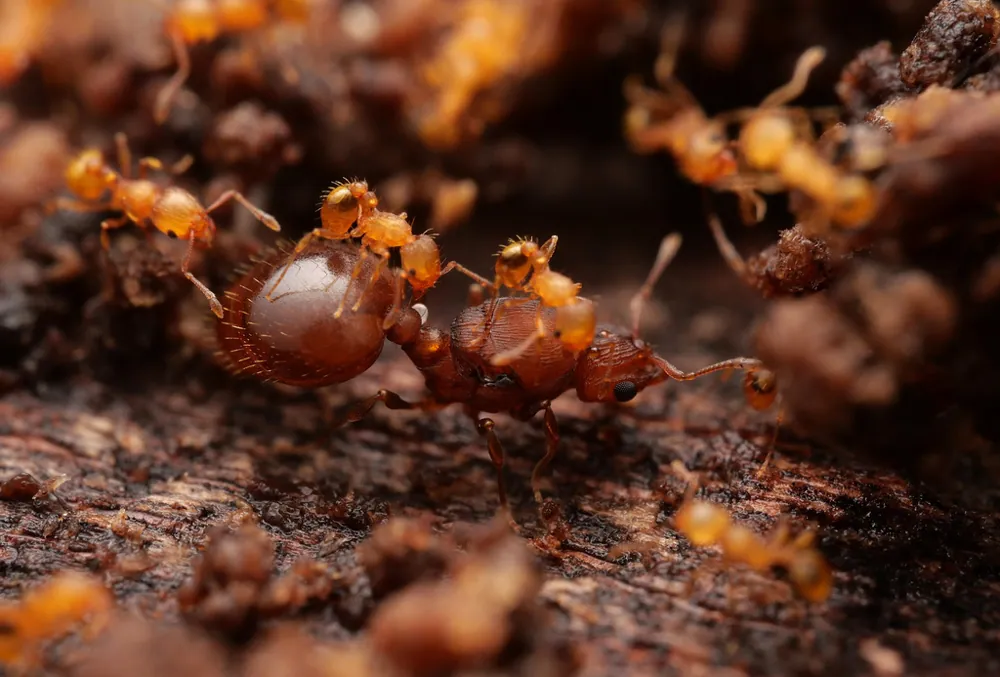
 Mmene ungaizindikirire
Mphamvu ya ululu
Ululu umatuluka kudzera mu mbola.
Ululu wake umachita chiyani?
It has a venomous sting that is painful for its size. Stings cause itchy, painful welts up to about 2.5 cm long. The sting can also subdue large insects and vertebrate prey.1
Ndi yoopsa bwanji kwa anthu?
Ngozi kwa anthu: YopwetekaIngathe kupweteka kwambiri, koma pafupifupi nthawi zonse si vuto lalikulu.The ants will readily attack people, and their stings can be painful out of proportion to their size. They can blind pets and large domestic animals, such as cats and dogs, if stung around the eyes. They also harm farming, by stripping nutrients from crops and making them more open to disease and pests.1
 Ikalasa
- Sambitsa ndi kuziziritsa pamene walasidwa.
- Ngati munthuyo akuvutika kupuma, nkhope kapena khosi zikutupa, kapena akumva ngati akomoka, ndi vuto ladzidzidzi la ziwengo (allergy): imbira nambala yadzidzidzi.
Nthawi zonse yamba wayimbira nambala yadzidzidzi (112, 000, 911). Awa ndi malangizo wamba a chithandizo choyamba, osati malangizo a dokotala. Zoyambira za chithandizo choyamba
 Khala wotetezeka
- Usakhudze, kugwira kapena kuseweretsa nyama yakuthengo, ngakhale yaing'ono, ndipo ngakhale ikuoneka ngati yagona kapena yafa.
- Ipatse malo. Ukakumana nayo, khala chete, bwerera m'mbuyo pang'onopang'ono ndipo uilole ipite njira yake.
- Ikakulasa: khala chete, usasunthe, imbira nambala yadzidzidzi (112, 000, 911) kapena pita kuchipatala mwachangu. Kumbukira m'mene inkaonekera, chithunzi chimathandiza.
Sikufuna kukuvulaza. Imagwiritsa ntchito ululu wake kugwira chakudya kapena kudziteteza, ndipo imakonda kwambiri kubisala. Zambiri za kukhala wotetezeka
Kuti padziko lapansi?
Ndi yaikulu bwanji?
Ndi yaitali bwanji?
 yaing'ono moti ingakhale pa chikhadabo chako
 yochedwa kuposa nkhono ya m'munda
Electric ant ndi yaikulu bwanji poyerekeza ndi IWE?
Ndi masamu chabe mu msakatuli wako. Palibe chomwe chimasungidwa kapena kutumizidwa kwina.
Imathamanga bwanji?

Mfundo
In the Galapagos Islands, it is considered one of the most aggressive introduced species, and it has contributed to declines in tortoise populations by eating hatchlings and attacking adult eyes.1
Its sting is painful far out of proportion to its tiny size.1
Queens can produce daughters that are genetic copies of themselves, while workers are produced sexually.1
It has been found in cold places such as Canada and England, where it survives in large buildings and greenhouses.1
It is a suspected link to Florida keratopathy, an eye condition, although this is not confirmed.1
It was once introduced to plantations in Gabon and Cameroon as a biological control agent.1
Za akatswiri a ululu
- Dzina la sayansi
- Wasmannia auropunctata
- Gulu
- Nyerere
- Banja
- Formicidae2
- Dongosolo
- Hymenoptera
- Makontinenti
- Amereka ya Kumpoto, Amereka ya Kumwera
- Ana akhanda
- Queens produce new queens without mating (parthenogenesis), while sterile workers usually come from eggs fertilised by males.1
- Ngozi kwa anthu
- 2 / 5: Yopweteka3
Kumene mfundo zimachokera
- Electric ant (Wikipedia (CC BY-SA 4.0))
- Wasmannia auropunctata (iNaturalist): mayina ndi magulu a sayansi.
- Venom Wiki: mlingo wa ngozi, kukula wamba ndi kuyerekeza kwa liwiro ndi zathu. Ona mmene timazipezera: Mmene timayezera ngozi.
Mfundo iliyonse patsamba lino ili ndi nambala yosonyeza kochokera. Ngati talakwitsa, pepani, ndife okonda nyama, osati magazini a sayansi. Tiuze pa [email protected] ndipo tikonza.
 Chinkhanira chili ndi njala! Venom Wiki ndi ntchito ya munthu mmodzi: yaulere, yopanda zotsatsa ndi zokutsatira. Mphatso yaing'ono imathandiza kuti ikhalebe pa intaneti.Dyetsa chinkhanira
Zina za gulu lomwelo: Nyerere
 Bullet ant
 Red imported fire ant
 Army ant
 Giant Amazonian ant
 Maricopa harvester ant
 Trap-jaw ant
Imakhalanso ku: Amereka ya Kumpoto
 TerciopeloNjoka za pit viperYakupha
 Eastern coral snakeNjoka za coralIngathe kupha
 Eastern diamondback rattlesnakeNjoka za rattlesnakeIngathe kupha
 Eyelash viperNjoka za pit viperIngathe kupha
 Timber rattlesnakeNjoka za rattlesnakeIngathe kupha
 Western diamondback rattlesnakeNjoka za rattlesnakeIngathe kupha