
 Afurika
 Aziya
Aziya Uburayi
 Amerika y'Amajyepfo
 Ositaraliya na Oseyaniya
 Antaragitika
 Inyanja ya Pasifika
 Inyanja ya Atalantika
 Inyanja y'Abahinde
 Inyanja ya Arigitika
 Inyanja ya Mediterane
 Inyanja Itukura
 Inyanja ya Karayibe
 Inyanja ya Korali
 Inyanja y'Amajyepfo y'u Bushinwa
 Inyanja ya Filipine
 Inyanja ya Andamani
 Inyanja y'Amajyaruguru
 Inyanja ya Timor na Arafura
 Ikigobe cya Bengali
 Ikigobe cya Kaliforuniya
Australian box jellyfish
 Imirya itera urubori
The Australian box jellyfish is one of the most venomous animals in the world. It lives in the warm coastal waters of northern Australia and nearby parts of Southeast Asia. Its sting can cause extreme pain and can be deadly, so it is important to know how to recognise it and what to do.1



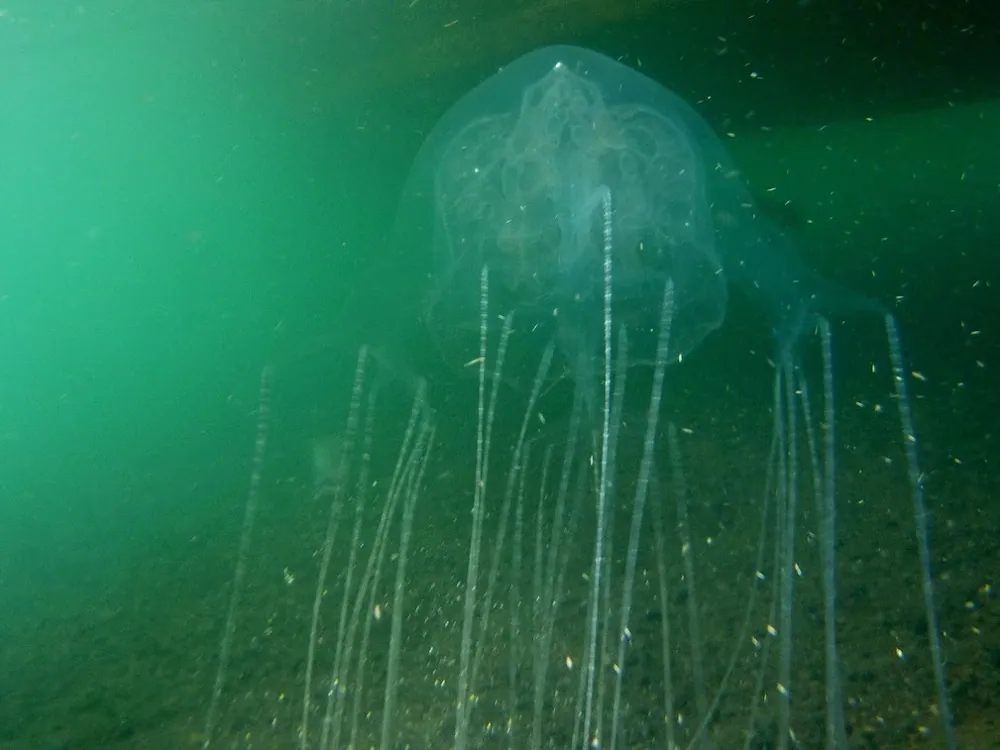
 Uko wayimenya
- The bell is box-shaped and pale blue, with faint markings.1
- The bell is usually about 16 cm across and can reach 35 cm.1
- A cluster of 15 tentacles hangs from each of the four corners of the bell.1
- It is almost completely transparent, so it is very hard to see in the water.1
- When hunting, its tentacles can stretch to about 3 m long.1
Imbaraga z'ubumara
Uturemangingo duto cyane ibihumbi dutera urubori turasa iyo hari ikidukozeho.
Ubumara bwayo bukora iki?
Its venom makes cells porous, so potassium leaks out of them. This causes hyperkalemia, a dangerous build-up of potassium in the blood, which can lead to heart and circulation failure. Stings cause excruciating pain and a burning feeling, and an untreated victim can die within two to five minutes.1
Iteje akaga kangana iki ku bantu?
Akaga ku bantu: YicaImwe mu nyamaswa ziteje akaga kurusha izindi ku isi.At least 64 deaths have been recorded in Australia. Most deaths in recent decades have been children, because their smaller bodies are at higher risk. Most stings are mild, but one animal's venom is said to be enough to kill 60 adults.1
 Inkuru nziza: abaganga bafite umuti (umuti urwanya ubumara, antivenom) cyangwa uburyo bwo kuvura ibi.1
 Niba itera urubori
- Diluted acetic acid, such as vinegar, is the recommended treatment, because it deactivates stinging cells that have not yet fired. Some North American toxicologists advise applying it for around 30 seconds. Pressure bandages are no longer recommended, because they can cause more stinging cells to fire.1
- Sohoka mu mazi kandi ukureho imirya yayo (tentacles) yose ukoresheje uturindantoki cyangwa igitambaro.
- Ku box jellyfish zo mu turere dushyuha: suka vinegere aho zateye urubori nibura amasegonda 30, hamagara ubutabazi kandi witegure gukora CPR (gukanda igituza no guhumekera umuntu). Ku bluebottle no ku zindi nyinshi: oza n'amazi y'inyanja, hanyuma ukoreshe amazi ashyushye kubera ububabare.
Buri gihe banza uhamagare nimero y'ubutabazi (112, 000, 911). Izi ni inama rusange z'ubutabazi bw'ibanze, si inama za muganga. Ibanze by'ubutabazi bw'ibanze
 Irinde akaga
- Ntuzigere ukora, ufata cyangwa ushotora inyamaswa yo mu gasozi, nubwo yaba ntoya, kandi nubwo yasa n'isinziriye cyangwa yapfuye.
- Yihe umwanya. Niba uhuye n'imwe, tuza, usubire inyuma buhoro buhoro kandi uyireke yigendere.
- Niba imwe igutereye urubori: tuza, ntunyeganyege, hamagara nimero y'ubutabazi (112, 000, 911) cyangwa ujye ku bitaro vuba. Ibuka uko yasaga, ifoto irafasha.
Ntigushakisha ngo ikugirire nabi. Ikoresha ubumara bwayo kugira ngo ifate ibyo kurya cyangwa yirinde, kandi ikunda cyane kwihisha. Ibindi ku kwirinda
Ni hehe ku isi?
Ingana gute?
Ireshya ite?
 ireshya n'ibice 11 by'ibikinisho byo kubaka biri ku murongo
 yakoga uburebure bw'ikidendezi kinini (metero 50) mu masegonda 26
Australian box jellyfish ingana ite ugereranyije NAWE?
Ni imibare gusa ikorerwa muri mudasobwa yawe. Nta kintu kibikwa cyangwa cyoherezwa ahandi.
Yihuta gute?
Ibintu by'ukuri
It has four clusters of eyes with 24 eyes in total, even though it has no central nervous system.1
Its tentacles are covered with millions of stinging cells that fire microscopic darts carrying venom.1
Its only known predators are green sea turtles and leatherback turtles, whose thick skin protects them from its stings.1
It is attracted to blue light, which makes it stream out its tentacles, while black objects make it move away.1
From certain angles, its pale blue bell looks like a human head or skull.1
Its name, 'hand of death', comes from its four appendages, which look like hands.1
Usenya ibinyoma
Ikinyoma: Pressure bandages are the best first aid for a box jellyfish sting.
Ukuri: Pressure bandages were used until 2005, but health authorities no longer recommend them because they can trigger more venom release. Diluted vinegar is the recommended treatment.1
Ku bahanga mu by'ubumara
- Izina rya siyansi
- Chironex fleckeri
- Itsinda
- Jellyfish n'izindi nyamaswa zo mu nyanja zitera urubori
- Umuryango
- Chirodropidae2
- Itsinda rinini (order)
- Chirodropida
- Imigabane
- Inyanja y'Abahinde, Inyanja ya Pasifika, Inyanja ya Korali, Inyanja y'Amajyepfo y'u Bushinwa, Inyanja ya Filipine, Inyanja ya Timor na Arafura, Inyanja ngari
- Abana bato
- It lays eggs, and fertilised eggs develop into tiny polyps that bud into new young jellyfish, which return to the ocean.1
- Akaga ku bantu
- 5 / 5: Yica3
Aho ibintu bivugwa bituruka
- Chironex fleckeri (Wikipedia (CC BY-SA 4.0))
- Chironex fleckeri (iNaturalist): amazina n'ibyiciro.
- Venom Wiki: urwego rw'akaga, ingano isanzwe n'ikigereranyo cy'umuvuduko ni ibyacu bwite. Reba uko tubibara: Uko tugena akaga.
Buri kintu kivugwa kuri iyi paji gifite nimero yerekana aho cyavuye. Niba twibeshye, tubabarire, turi abakunzi b'inyamaswa, ntituri ikinyamakuru cya siyansi. Tubwire kuri [email protected] tuzabikosora.
 Sikorupiyo irashonje! Venom Wiki ni umushinga w'umuntu umwe: ni ubuntu, nta matangazo kandi nta bikurikirana abantu. Impano ntoya ifasha kugira ngo ikomeze kuboneka kuri interineti.Gaburira sikorupiyo
Izindi zo mu itsinda rimwe: Jellyfish n'izindi nyamaswa zo mu nyanja zitera urubori
 Irukandji jellyfishJellyfish n'izindi nyamaswa zo mu nyanja zitera uruboriIshobora kwicaNtukayikoreho
 Portuguese man o' warJellyfish n'izindi nyamaswa zo mu nyanja zitera uruboriBisaba mugangaNtukayikoreho
 Lion's mane jellyfishJellyfish n'izindi nyamaswa zo mu nyanja zitera uruboriIrababaza gusaNtukayikoreho
 Moon jellyfishJellyfish n'izindi nyamaswa zo mu nyanja zitera uruboriNtacyo itwaye
 Common kingslayerJellyfish n'izindi nyamaswa zo mu nyanja zitera uruboriIshobora kwicaNtukayikoreho
 Hell's fire anemoneJellyfish n'izindi nyamaswa zo mu nyanja zitera uruboriBisaba mugangaNtukayikoreho
Iba kandi muri: Inyanja y'Abahinde
 Geography coneCone snail na octopusYica
 Greater blue-ringed octopusCone snail na octopusYica
 Southern blue-ringed octopusCone snail na octopusYica
 Hawksbill sea turtleIzindi nyamaswa zifite uburoziIshobora kwica
 Reef stonefishAmafi afite ubumaraIshobora kwicaNtukayikoreho
 Crown-of-thorns starfishOursins, inyenyeri zo mu nyanja n'inyoBisaba mugangaNtukayikoreho