
 Afurika
 Aziya
Aziya Uburayi
 Amerika y'Amajyepfo
 Ositaraliya na Oseyaniya
 Antaragitika
 Inyanja ya Pasifika
 Inyanja ya Atalantika
 Inyanja y'Abahinde
 Inyanja ya Arigitika
 Inyanja ya Mediterane
 Inyanja Itukura
 Inyanja ya Karayibe
 Inyanja ya Korali
 Inyanja y'Amajyepfo y'u Bushinwa
 Inyanja ya Filipine
 Inyanja ya Andamani
 Inyanja y'Amajyaruguru
 Inyanja ya Timor na Arafura
 Ikigobe cya Bengali
 Ikigobe cya Kaliforuniya
Barn funnel weaver
 Iraruma
The barn funnel weaver is a spider that often shares homes with people. It builds funnel-shaped webs in corners of houses, sheds and cellars. It is shy and rarely bites.1

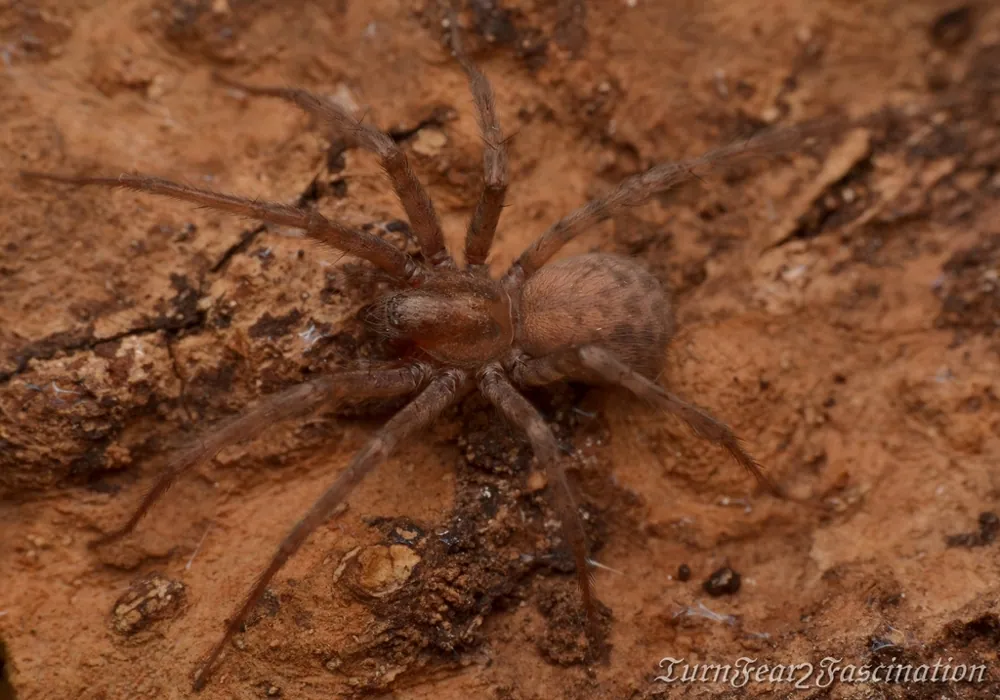
 Uko wayimenya
- Adults are typically dark orange to brown or beige, sometimes greyish.1
- Its legs are striped.1
- It has two dull, black stripes running along the top of the front part of its body.1
- Its abdomen is mottled in brown, beige and grey, with a chevron pattern across the top, like an argyle pattern.1
- Females are about 7.5 to 11.5 mm long. Males are smaller, about 6 to 9 mm, with longer, more agile legs.1
Ikunze kwitiranywa na: It was once thought to be a close relative of the Giant House Spider. That spider has since been moved to the genus Eratigena and split into three distinct species.1
Imbaraga z'ubumara
Ubumara busohokera mu menyo yayo y'ubumara cyangwa mu yandi menyo iyo iriye.
Iteje akaga kangana iki ku bantu?
Akaga ku bantu: YorohejeNko guterwa urubori n'uruyuki cyangwa munsi yaho. Mu by'ukuri ntacyo itwaye abantu.Spiders of the genus Tegenaria rarely bite. A bite only happens in self-defence, and it is unlikely to break the skin.1
Ikora iki iyo ifite ubwoba?
When its web is undisturbed, it retreats to the tip of the funnel and stops responding to movement. If the web is damaged, it tries to flee or curls its body into a ball against a wall or nearby object.1
 Niba iruma
- Oza aho yarumye kandi uhashyire agapaki k'urubura kubera ububabare. Shaka ubufasha bwa muganga niba ububabare bukabije, bukwirakwira cyangwa umuntu yumva atameze neza.
Buri gihe banza uhamagare nimero y'ubutabazi (112, 000, 911). Izi ni inama rusange z'ubutabazi bw'ibanze, si inama za muganga. Ibanze by'ubutabazi bw'ibanze
 Irinde akaga
- Ntuzigere ukora, ufata cyangwa ushotora inyamaswa yo mu gasozi, nubwo yaba ntoya, kandi nubwo yasa n'isinziriye cyangwa yapfuye.
- Yihe umwanya. Niba uhuye n'imwe, tuza, usubire inyuma buhoro buhoro kandi uyireke yigendere.
- Niba imwe ikurumye: tuza, ntunyeganyege, hamagara nimero y'ubutabazi (112, 000, 911) cyangwa ujye ku bitaro vuba. Ibuka uko yasaga, ifoto irafasha.
Ntigushakisha ngo ikugirire nabi. Ikoresha ubumara bwayo kugira ngo ifate ibyo kurya cyangwa yirinde, kandi ikunda cyane kwihisha. Ibindi ku kwirinda
Ingana gute?
Ireshya ite?
 ntoya ku buryo yakwicara ku nzara yawe
Barn funnel weaver ingana ite ugereranyije NAWE?
Ni imibare gusa ikorerwa muri mudasobwa yawe. Nta kintu kibikwa cyangwa cyoherezwa ahandi.
Yihuta gute?


Ibintu by'ukuri
In a cave between Greece and Albania, thousands of these spiders were found sharing a web over 100 square metres with another species, which is unusual for them.1
Some females living indoors in rarely disturbed places have reportedly lived for as long as seven years.1
Males usually die in autumn, soon after mating, and rarely live for more than a year.1
Its webs can become quite large if they are left undisturbed.1
Most of its eyes face forward, which helps it spot movement and focus on prey.1
Usenya ibinyoma
Ikinyoma: This spider is aggressive and will attack people.
Ukuri: It is not particularly aggressive and will often retreat when confronted.1
Aho ibintu bivugwa bituruka
- Tegenaria domestica (Wikipedia (CC BY-SA 4.0))
- Tegenaria domestica (iNaturalist): amazina n'ibyiciro.
- Venom Wiki: urwego rw'akaga, ingano isanzwe n'ikigereranyo cy'umuvuduko ni ibyacu bwite. Reba uko tubibara: Uko tugena akaga.
Buri kintu kivugwa kuri iyi paji gifite nimero yerekana aho cyavuye. Niba twibeshye, tubabarire, turi abakunzi b'inyamaswa, ntituri ikinyamakuru cya siyansi. Tubwire kuri [email protected] tuzabikosora.
 Sikorupiyo irashonje! Venom Wiki ni umushinga w'umuntu umwe: ni ubuntu, nta matangazo kandi nta bikurikirana abantu. Impano ntoya ifasha kugira ngo ikomeze kuboneka kuri interineti.Gaburira sikorupiyo
Izindi zo mu itsinda rimwe: Ibitagangurirwa
 Mediterranean black widowIbitagangurirwaBisaba muganga
 Diving bell spiderIbitagangurirwaIrababaza gusa
 European yellow sac spiderIbitagangurirwaIrababaza gusa
 Noble false widowIbitagangurirwaIrababaza gusa
 Tarantula wolf spiderIbitagangurirwaIrababaza gusa
 Daddy long-legs spiderIbitagangurirwaNtacyo itwaye
Iba kandi muri: Uburayi
 Common European adderVipera na adderBisaba muganga
 Spanish flyIzindi nyamaswa zifite uburoziBisaba mugangaNtukayikoreho
 Common waspInzuki, amavubi n'amavubi maniniIrababaza gusa
 European hornetInzuki, amavubi n'amavubi maniniIrababaza gusa
 Fire salamanderIbikeri by'uburozi, ibikeri binini na newtIrababaza gusaNtukayikoreho
 Western honey beeInzuki, amavubi n'amavubi maniniIrababaza gusa