
 Afurika
 Aziya
Aziya Uburayi
 Amerika y'Amajyepfo
 Ositaraliya na Oseyaniya
 Antaragitika
 Inyanja ya Pasifika
 Inyanja ya Atalantika
 Inyanja y'Abahinde
 Inyanja ya Arigitika
 Inyanja ya Mediterane
 Inyanja Itukura
 Inyanja ya Karayibe
 Inyanja ya Korali
 Inyanja y'Amajyepfo y'u Bushinwa
 Inyanja ya Filipine
 Inyanja ya Andamani
 Inyanja y'Amajyaruguru
 Inyanja ya Timor na Arafura
 Ikigobe cya Bengali
 Ikigobe cya Kaliforuniya
Castellana
 Iraruma
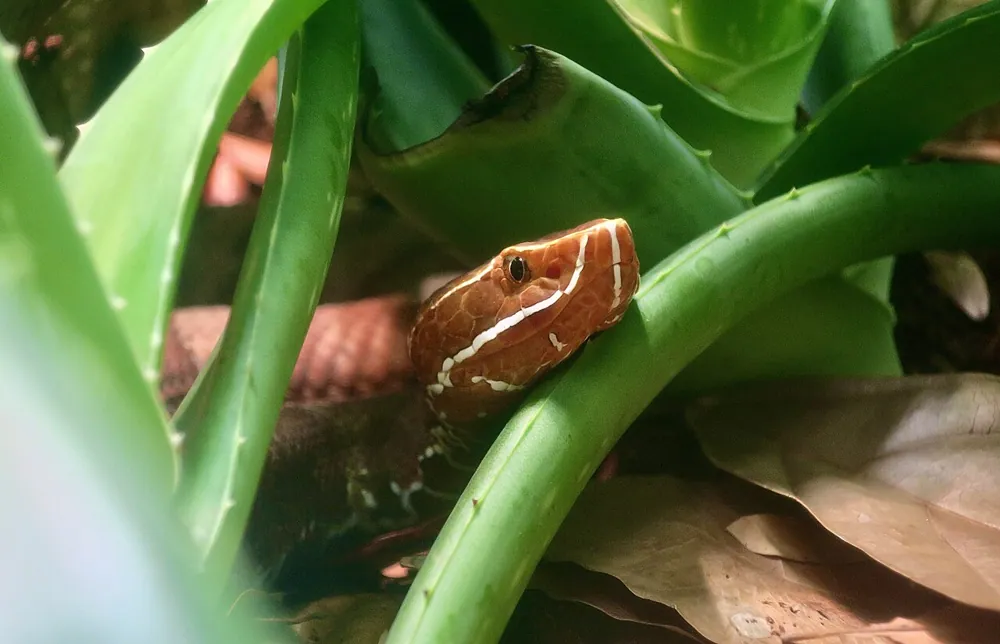
Castellana is a rare pit viper, a venomous snake that lives in dry forests on the Pacific side of Central America. It is a stout, medium-sized snake. Scientists know little about its bites, but lab tests suggest its venom is highly toxic.1



 Uko wayimenya
- A stout, medium-sized snake, up to 96 cm long including the tail.1
- Light to medium reddish-brown body with broad brown crossbands: 10 to 14 in males and 13 to 17 in females.1
- Two pale stripes on each side of the head.1
- Chin and throat are orange or orange-brown, lighter than the belly.1
- Large adult males are often very dark. Young snakes are paler, sometimes bright red.1
Ikunze kwitiranywa na: Copperheads lack the two pale stripes on each side of the face, and cottonmouths lack the loreal scale (a small scale between the eye and nostril). Other cantils have a lower face stripe that runs straight and unbroken, while in this species it dips below the pit.1
Imbaraga z'ubumara
Ubumara busohokera mu menyo yayo y'ubumara cyangwa mu yandi menyo iyo iriye.
Ubumara bwayo bukora iki?
Lab tests suggest the venom is highly toxic and similar to that of its close relative Agkistrodon bilineatus, and potentially lethal. No clinical reports of bites had been published as of 1999, so the effects on people are not well documented.1
Iteje akaga kangana iki ku bantu?
Akaga ku bantu: Iteje akaga cyaneIshobora kwica umuntu utavuwe.No clinical reports of bites had been published as of 1999, so there is little human data on its danger. Lab analysis suggests the venom could be lethal.1
 Niba iruma
- Umuntu agume atanyeganyega kandi atuje, urugingo rwarumwe rugume ku rwego rumwe n'umutima, mukuremo impeta n'ibindi bintu bifashe cyane, kandi mujye ku bitaro vuba.
Buri gihe banza uhamagare nimero y'ubutabazi (112, 000, 911). Izi ni inama rusange z'ubutabazi bw'ibanze, si inama za muganga. Ibanze by'ubutabazi bw'ibanze
 Irinde akaga
- Ntuzigere ukora, ufata cyangwa ushotora inyamaswa yo mu gasozi, nubwo yaba ntoya, kandi nubwo yasa n'isinziriye cyangwa yapfuye.
- Yihe umwanya. Niba uhuye n'imwe, tuza, usubire inyuma buhoro buhoro kandi uyireke yigendere.
- Niba imwe ikurumye: tuza, ntunyeganyege, hamagara nimero y'ubutabazi (112, 000, 911) cyangwa ujye ku bitaro vuba. Ibuka uko yasaga, ifoto irafasha.
Ntigushakisha ngo ikugirire nabi. Ikoresha ubumara bwayo kugira ngo ifate ibyo kurya cyangwa yirinde, kandi ikunda cyane kwihisha. Ibindi ku kwirinda
Ingana gute?
Ireshya ite?
 ireshya n'injangwe zo mu rugo 2 zikurikiranye kuva ku zuru kugeza ku murizo
 ireshya n'imineke 5 ikurikiranye
 yakwiruka metero 100 mu masegonda 100 (umuntu wihuta kurusha abandi akenera 9,6)
Castellana ingana ite ugereranyije NAWE?
Ni imibare gusa ikorerwa muri mudasobwa yawe. Nta kintu kibikwa cyangwa cyoherezwa ahandi.
Yihuta gute?


Ibintu by'ukuri
Its diet changes as it grows: young snakes eat cold-blooded prey such as frogs and lizards, while adults eat warm-blooded prey such as mice and rats.1
It is a rare snake, found only along a narrow strip of lowland less than 400 km long.1
In the 1990s, searches in the Gulf of Fonseca area of Honduras found very few, or possibly no, snakes.1
Ku bahanga mu by'ubumara
- Izina rya siyansi
- Agkistrodon howardgloydi
- Itsinda
- Pit viper
- Umuryango
- Viperidae2
- Itsinda rinini (order)
- Squamata
- Imigabane
- Amerika y'Amajyaruguru
- Abana bato
- It gives birth to live young (viviparous), with females giving birth in the rainy season from May to August.1
- Uko imeze mu gasozi
- Endangered (2013 assessment, which has no political or legal standing)1
- Akaga ku bantu
- 4 / 5: Iteje akaga cyane3
Aho ibintu bivugwa bituruka
- Agkistrodon howardgloydi (Wikipedia (CC BY-SA 4.0))
- Agkistrodon howardgloydi (iNaturalist): amazina n'ibyiciro.
- Venom Wiki: urwego rw'akaga, ingano isanzwe n'ikigereranyo cy'umuvuduko ni ibyacu bwite. Reba uko tubibara: Uko tugena akaga.
Buri kintu kivugwa kuri iyi paji gifite nimero yerekana aho cyavuye. Niba twibeshye, tubabarire, turi abakunzi b'inyamaswa, ntituri ikinyamakuru cya siyansi. Tubwire kuri [email protected] tuzabikosora.
 Sikorupiyo irashonje! Venom Wiki ni umushinga w'umuntu umwe: ni ubuntu, nta matangazo kandi nta bikurikirana abantu. Impano ntoya ifasha kugira ngo ikomeze kuboneka kuri interineti.Gaburira sikorupiyo
 Terciopelo
 Eyelash viper
 Cottonmouth
 Eastern copperhead
 Cantil
 Central American bushmaster
 Eastern coral snake
 Eastern diamondback rattlesnake
 Timber rattlesnake
 Western diamondback rattlesnake
 Arizona bark scorpion
 Brown recluse