
 Afurika
 Aziya
Aziya Uburayi
 Amerika y'Amajyepfo
 Ositaraliya na Oseyaniya
 Antaragitika
 Inyanja ya Pasifika
 Inyanja ya Atalantika
 Inyanja y'Abahinde
 Inyanja ya Arigitika
 Inyanja ya Mediterane
 Inyanja Itukura
 Inyanja ya Karayibe
 Inyanja ya Korali
 Inyanja y'Amajyepfo y'u Bushinwa
 Inyanja ya Filipine
 Inyanja ya Andamani
 Inyanja y'Amajyaruguru
 Inyanja ya Timor na Arafura
 Ikigobe cya Bengali
 Ikigobe cya Kaliforuniya
Central American wandering spider
 Iraruma
The Central American wandering spider is a large, ground-living spider. It is found in parts of Central and northern South America, including Costa Rica, Panama and Colombia. It matters because its bites have been recorded in people, and a few have caused serious effects.1


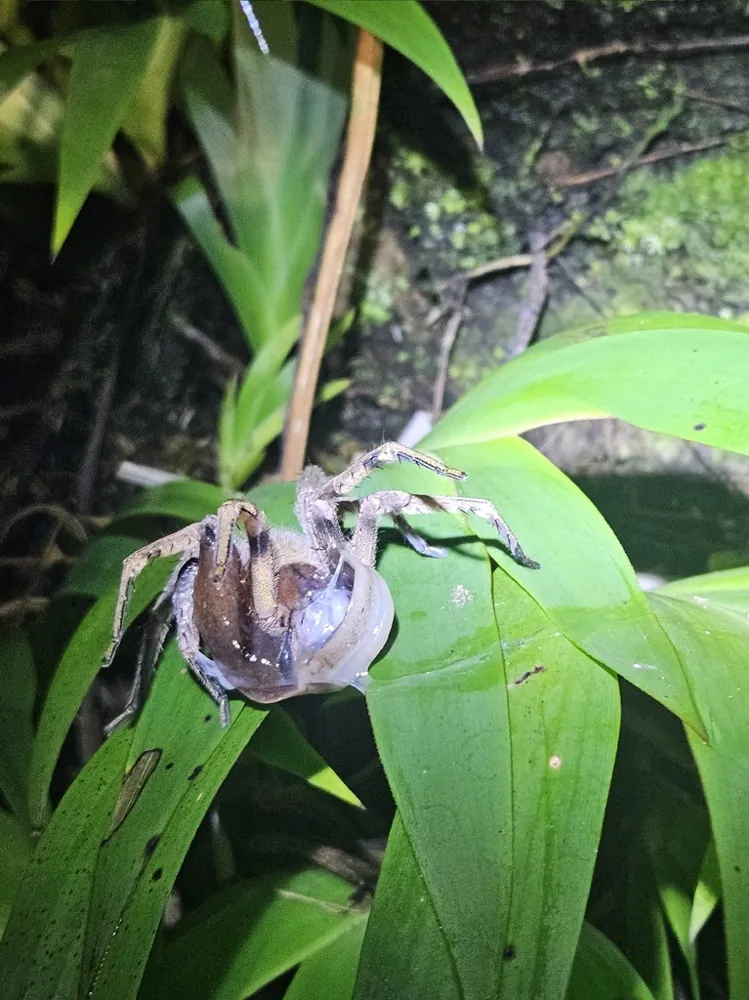
 Uko wayimenya
Imbaraga z'ubumara
Ubumara busohokera mu menyo yayo y'ubumara cyangwa mu yandi menyo iyo iriye.
Ubumara bwayo bukora iki?
Its venom contains many neurotoxins, which are poisons that affect the nerves. They mainly act on sodium and calcium ion channels, which are the gates that let charged particles move in and out of nerve and muscle cells. The venom also contains enzymes, including serine proteases, metalloproteases, cholinesterases and hyaluronidases, which may explain some of the effects of a bite.1
Iteje akaga kangana iki ku bantu?
Akaga ku bantu: IkomeyeKurumwa na yo bisaba kujya kwa muganga. Abapfa ni bake cyane.Most recorded human bites caused mild to moderate symptoms. All the recorded bites were from adult spiders. One bite caused severe symptoms, including kidney failure (renal failure).1
 Niba iruma
- Oza aho yarumye kandi uhashyire agapaki k'urubura kubera ububabare. Shaka ubufasha bwa muganga niba ububabare bukabije, bukwirakwira cyangwa umuntu yumva atameze neza.
Buri gihe banza uhamagare nimero y'ubutabazi (112, 000, 911). Izi ni inama rusange z'ubutabazi bw'ibanze, si inama za muganga. Ibanze by'ubutabazi bw'ibanze
 Irinde akaga
- Ntuzigere ukora, ufata cyangwa ushotora inyamaswa yo mu gasozi, nubwo yaba ntoya, kandi nubwo yasa n'isinziriye cyangwa yapfuye.
- Yihe umwanya. Niba uhuye n'imwe, tuza, usubire inyuma buhoro buhoro kandi uyireke yigendere.
- Niba imwe ikurumye: tuza, ntunyeganyege, hamagara nimero y'ubutabazi (112, 000, 911) cyangwa ujye ku bitaro vuba. Ibuka uko yasaga, ifoto irafasha.
Ntigushakisha ngo ikugirire nabi. Ikoresha ubumara bwayo kugira ngo ifate ibyo kurya cyangwa yirinde, kandi ikunda cyane kwihisha. Ibindi ku kwirinda
Ingana gute?
Ireshya ite?
 ireshya n'ibice 3 by'ibikinisho byo kubaka biri ku murongo
 yakwiruka metero 100 mu masegonda 200 (umuntu wihuta kurusha abandi akenera 9,6)
Central American wandering spider ingana ite ugereranyije NAWE?
Ni imibare gusa ikorerwa muri mudasobwa yawe. Nta kintu kibikwa cyangwa cyoherezwa ahandi.
Yihuta gute?


Ibintu by'ukuri
Each egg sac can hold up to 1300 eggs, which is far more than most spiders produce.1
Adult females can have a stride length of more than 10 centimetres.1
Spiderlings become adults only after 14 to 17 moults.1
Sexual maturity is reached 300 to 465 days after the spiderlings leave the egg sac.1
It prefers disturbed land, such as areas changed by people, rather than deep undisturbed forest.1
Ku bahanga mu by'ubumara
- Izina rya siyansi
- Phoneutria depilata
- Itsinda
- Ibitagangurirwa
- Umuryango
- Ctenidae2
- Itsinda rinini (order)
- Araneae
- Imigabane
- Amerika y'Amajyaruguru, Amerika y'Amajyepfo
- Abana bato
- Each egg sac holds between 430 and 1300 eggs. The young (spiderlings) emerge 28 to 34 days after the egg sac is produced.1
- Akaga ku bantu
- 3 / 5: Ikomeye3
Aho ibintu bivugwa bituruka
- Phoneutria depilata (Wikipedia (CC BY-SA 4.0))
- Phoneutria depilata (iNaturalist): amazina n'ibyiciro.
- Venom Wiki: urwego rw'akaga, ingano isanzwe n'ikigereranyo cy'umuvuduko ni ibyacu bwite. Reba uko tubibara: Uko tugena akaga.
Buri kintu kivugwa kuri iyi paji gifite nimero yerekana aho cyavuye. Niba twibeshye, tubabarire, turi abakunzi b'inyamaswa, ntituri ikinyamakuru cya siyansi. Tubwire kuri [email protected] tuzabikosora.
 Sikorupiyo irashonje! Venom Wiki ni umushinga w'umuntu umwe: ni ubuntu, nta matangazo kandi nta bikurikirana abantu. Impano ntoya ifasha kugira ngo ikomeze kuboneka kuri interineti.Gaburira sikorupiyo
 Brazilian wandering spider
 Brown recluse
 Southern black widow
 Amazon wandering spider
 Chilean recluse
 Northern black widow
 Terciopelo
 Eastern coral snake
 Eastern diamondback rattlesnake
 Eyelash viper
 Timber rattlesnake
 Western diamondback rattlesnake