
 Afurika
 Aziya
Aziya Uburayi
 Amerika y'Amajyepfo
 Ositaraliya na Oseyaniya
 Antaragitika
 Inyanja ya Pasifika
 Inyanja ya Atalantika
 Inyanja y'Abahinde
 Inyanja ya Arigitika
 Inyanja ya Mediterane
 Inyanja Itukura
 Inyanja ya Karayibe
 Inyanja ya Korali
 Inyanja y'Amajyepfo y'u Bushinwa
 Inyanja ya Filipine
 Inyanja ya Andamani
 Inyanja y'Amajyaruguru
 Inyanja ya Timor na Arafura
 Ikigobe cya Bengali
 Ikigobe cya Kaliforuniya
Lesser weever
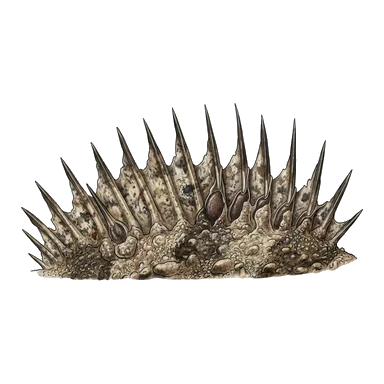 Amahwa afite ubumara
The lesser weever is a small, venomous fish that lies buried in sand on the sea floor, often close to the shore. Its venom is strong, and it is considered one of Europe's most dangerous weever species because it lives near beaches where people swim.1
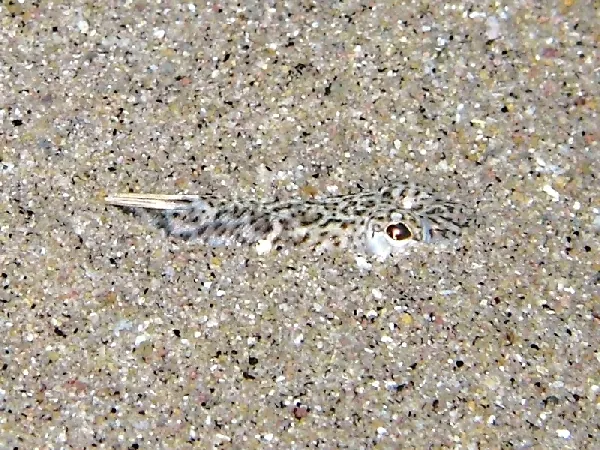
 Uko wayimenya
Imbaraga z'ubumara
Amahwa atyaye ni yo atwara ubumara. Kuyikandagira cyangwa kuyifata birababaza.
Ubumara bwayo bukora iki?
The venom contains trachinine, a cytolysin (a substance that breaks down cells), along with serotonin, histamine-releasing substances and various enzymes. The sting causes acute and intense pain that often spreads to the area around the limb, and it peaks about 30 minutes after the sting. Swelling, redness, numbness, tingling, nausea and vomiting are common, and rare severe effects include abnormal heart rhythms, seizures, decreased blood pressure and unconsciousness.1
Iteje akaga kangana iki ku bantu?
Akaga ku bantu: IkomeyeNiba amahwa yayo akujombye, jya kwa muganga. Abapfa ni bake cyane.The lesser weever can sting swimmers badly if they disturb it in the water, and fishermen can be stung when cleaning their nets. Because of its venom and its occurrence near beaches, it is considered one of Europe's most dangerous weever species. Some pain may continue for up to 24 hours.1
Ikora iki iyo ifite ubwoba?
It rests buried in the sand with only its eyes and the tip of its first dorsal fin exposed, and it stings when disturbed.1
 Niba amahwa yayo akujombye
- Wash the wound, then immerse it in very hot water for at least an hour to ease the pain and help destroy the protein-based venom. The water should be 40 °C (104 °F) or as hot as the patient can tolerate. Reassure the patient that the sting is relatively harmless.1
- Shyira igikomere mu mazi ashyushye, ashyushye uko umuntu abyihanganira atiriwe ashya (bigerageze ukoresheje ukuboko kwawe), mu gihe cy'iminota 30 kugeza kuri 90. Shaka ubufasha bwa muganga, cyane cyane ku bya stonefish na stingray.
Buri gihe banza uhamagare nimero y'ubutabazi (112, 000, 911). Izi ni inama rusange z'ubutabazi bw'ibanze, si inama za muganga. Ibanze by'ubutabazi bw'ibanze
 Irinde akaga
- Ntuzigere ukora, ufata cyangwa ushotora inyamaswa yo mu gasozi, nubwo yaba ntoya, kandi nubwo yasa n'isinziriye cyangwa yapfuye.
- Yihe umwanya. Niba uhuye n'imwe, tuza, usubire inyuma buhoro buhoro kandi uyireke yigendere.
- Niba amahwa yayo akujombye: tuza, ntunyeganyege, hamagara nimero y'ubutabazi (112, 000, 911) cyangwa ujye ku bitaro vuba. Ibuka uko yasaga, ifoto irafasha.
Ntigushakisha ngo ikugirire nabi. Ikoresha ubumara bwayo kugira ngo ifate ibyo kurya cyangwa yirinde, kandi ikunda cyane kwihisha. Ibindi ku kwirinda
Ni hehe ku isi?
Ingana gute?
Ireshya ite?
 ireshya n'ibice 9 by'ibikinisho byo kubaka biri ku murongo
 yakoga uburebure bw'ikidendezi kinini (metero 50) mu masegonda 43
Lesser weever ingana ite ugereranyije NAWE?
Ni imibare gusa ikorerwa muri mudasobwa yawe. Nta kintu kibikwa cyangwa cyoherezwa ahandi.
Yihuta gute?
Ibintu by'ukuri
It has the most potent toxin of all the weevers.1
Pain from its sting usually peaks about 30 minutes after the sting.1
Its venom contains trachinine, a cytolysin that breaks down cells.1
Very rarely, sting pain spreads to the lymph nodes in the groin or armpit.1
Its venom glands are on the first dorsal fin and on the gill cover.1
Aho ibintu bivugwa bituruka
- Lesser weever (Wikipedia (CC BY-SA 4.0))
- Echiichthys vipera (iNaturalist): amazina n'ibyiciro.
- Venom Wiki: urwego rw'akaga, ingano isanzwe n'ikigereranyo cy'umuvuduko ni ibyacu bwite. Reba uko tubibara: Uko tugena akaga.
Buri kintu kivugwa kuri iyi paji gifite nimero yerekana aho cyavuye. Niba twibeshye, tubabarire, turi abakunzi b'inyamaswa, ntituri ikinyamakuru cya siyansi. Tubwire kuri [email protected] tuzabikosora.
 Sikorupiyo irashonje! Venom Wiki ni umushinga w'umuntu umwe: ni ubuntu, nta matangazo kandi nta bikurikirana abantu. Impano ntoya ifasha kugira ngo ikomeze kuboneka kuri interineti.Gaburira sikorupiyo
Izindi zo mu itsinda rimwe: Amafi afite ubumara
 Reef stonefishAmafi afite ubumaraIshobora kwicaNtukayikoreho
 Red lionfishAmafi afite ubumaraBisaba mugangaNtukayikoreho
 Estuarine stonefishAmafi afite ubumaraIshobora kwicaNtukayikoreho
 Short-tail stingrayAmafi afite ubumaraIshobora kwica
 Striped eel catfishAmafi afite ubumaraIshobora kwicaNtukayikoreho
 Bluespotted ribbontail rayAmafi afite ubumaraBisaba muganga
Iba kandi muri: Inyanja ya Atalantika
 Hawksbill sea turtleIzindi nyamaswa zifite uburoziIshobora kwica
 Portuguese man o' warJellyfish n'izindi nyamaswa zo mu nyanja zitera uruboriBisaba mugangaNtukayikoreho
 Blue sea dragonCone snail na octopusIrababaza gusa
 Greenland sharkIzindi nyamaswa zifite uburoziIrababaza gusa
 Lion's mane jellyfishJellyfish n'izindi nyamaswa zo mu nyanja zitera uruboriIrababaza gusaNtukayikoreho
 Common octopusCone snail na octopusNtacyo itwaye