
 Afurika
 Aziya
Aziya Uburayi
 Amerika y'Amajyepfo
 Ositaraliya na Oseyaniya
 Antaragitika
 Inyanja ya Pasifika
 Inyanja ya Atalantika
 Inyanja y'Abahinde
 Inyanja ya Arigitika
 Inyanja ya Mediterane
 Inyanja Itukura
 Inyanja ya Karayibe
 Inyanja ya Korali
 Inyanja y'Amajyepfo y'u Bushinwa
 Inyanja ya Filipine
 Inyanja ya Andamani
 Inyanja y'Amajyaruguru
 Inyanja ya Timor na Arafura
 Ikigobe cya Bengali
 Ikigobe cya Kaliforuniya
Marbled spinefoot
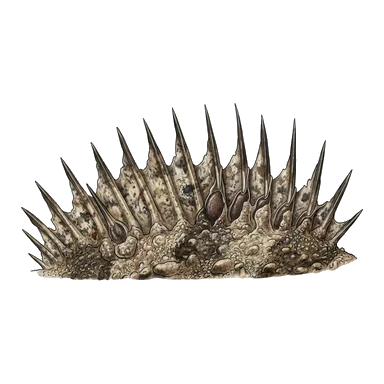 Amahwa afite ubumara
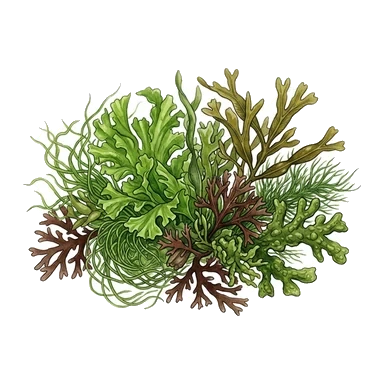
The marbled spinefoot is a shoaling fish that mostly eats algae. It lives in shallow warm seas in the Red Sea and western Indian Ocean, and it has spread into the Mediterranean. Its spines carry venom, so it is one to leave alone.1
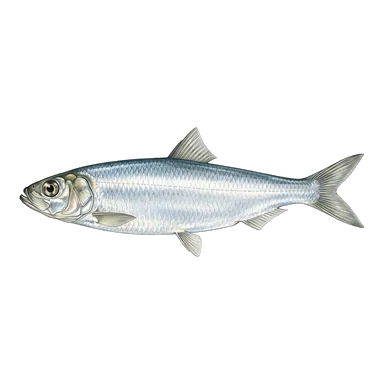
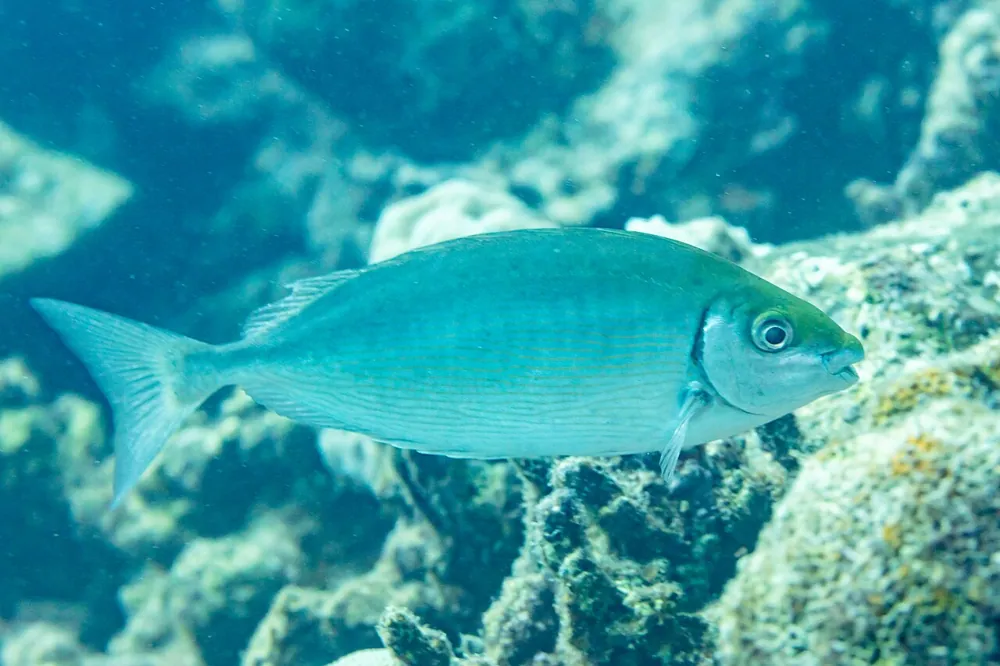
 Uko wayimenya
,_Yeda,_Arabia_Saudita,_2025-05-19,_DD_86.jpg)
Imbaraga z'ubumara
Amahwa atyaye ni yo atwara ubumara. Kuyikandagira cyangwa kuyifata birababaza.
Ubumara bwayo bukora iki?
The spines in the fins have venom glands at their base. The venom is a protein that is damaged by heat. The sting is very painful.1
Iteje akaga kangana iki ku bantu?
Akaga ku bantu: IrababazaIshobora kubabaza cyane, ariko hafi ya buri gihe nta kibazo gikomeye biteza.The spines can inflict a painful sting if the fish is handled incorrectly. No deaths from its venom have been recorded. Separately, poisoning has been recorded in Israel after people ate its flesh, linked to fish caught in polluted water.1
Ikora iki iyo ifite ubwoba?
Its spines are barbed and venomous, and they can injure anyone who handles the fish carelessly.1
 Niba amahwa yayo akujombye
- The affected area should be treated with as high a temperature as possible, within 43 to 46 °C, because heat damages the venom. The person should also be checked for possible infection.1
- Shyira igikomere mu mazi ashyushye, ashyushye uko umuntu abyihanganira atiriwe ashya (bigerageze ukoresheje ukuboko kwawe), mu gihe cy'iminota 30 kugeza kuri 90. Shaka ubufasha bwa muganga, cyane cyane ku bya stonefish na stingray.
Buri gihe banza uhamagare nimero y'ubutabazi (112, 000, 911). Izi ni inama rusange z'ubutabazi bw'ibanze, si inama za muganga. Ibanze by'ubutabazi bw'ibanze
 Irinde akaga
- Ntuzigere ukora, ufata cyangwa ushotora inyamaswa yo mu gasozi, nubwo yaba ntoya, kandi nubwo yasa n'isinziriye cyangwa yapfuye.
- Yihe umwanya. Niba uhuye n'imwe, tuza, usubire inyuma buhoro buhoro kandi uyireke yigendere.
- Niba amahwa yayo akujombye: tuza, ntunyeganyege, hamagara nimero y'ubutabazi (112, 000, 911) cyangwa ujye ku bitaro vuba. Ibuka uko yasaga, ifoto irafasha.
Ntigushakisha ngo ikugirire nabi. Ikoresha ubumara bwayo kugira ngo ifate ibyo kurya cyangwa yirinde, kandi ikunda cyane kwihisha. Ibindi ku kwirinda
Ni hehe ku isi?
Ingana gute?
Ireshya ite?
 ireshya n'imineke 2 ikurikiranye
 ireshya n'ibice 12 by'ibikinisho byo kubaka biri ku murongo
 yakoga uburebure bw'ikidendezi kinini (metero 50) mu masegonda 35
Marbled spinefoot ingana ite ugereranyije NAWE?
Ni imibare gusa ikorerwa muri mudasobwa yawe. Nta kintu kibikwa cyangwa cyoherezwa ahandi.
Yihuta gute?
Ibintu by'ukuri
Some people have reported hallucinations after eating it.1
Eating its flesh has caused poisoning, and the toxins involved are similar to ciguatoxin.1
Its spines carry venom from glands at their base, so the fish can sting when it is handled.1
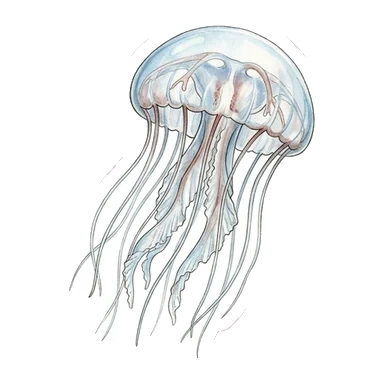
Adults can eat jellyfish, including comb jellies and moon jellyfish, in parts of the northern Red Sea.1
It reached the Mediterranean through the Suez Canal, first recorded off Palestine in 1927.1
It can be bred in captivity and is being studied as a farmed fish because it eats plant-based feed.1
Ku bahanga mu by'ubumara
- Izina rya siyansi
- Siganus rivulatus
- Itsinda
- Amafi afite ubumara
- Umuryango
- Siganidae2
- Itsinda rinini (order)
- Acanthuriformes
- Imigabane
- Inyanja y'Abahinde, Inyanja Itukura, Inyanja ya Mediterane, Inyanja ya Arabiya n'Ikigobe cy'Ubuperesi, Inyanja ngari
- Abana bato
- The fish lays eggs, which are fertilised outside the body. The eggs are 0.5 to 0.6 mm across, and the adults give them no care.1
- Akaga ku bantu
- 2 / 5: Irababaza3
Aho ibintu bivugwa bituruka
- Siganus rivulatus (Wikipedia (CC BY-SA 4.0))
- Siganus rivulatus (iNaturalist): amazina n'ibyiciro.
- Venom Wiki: urwego rw'akaga, ingano isanzwe n'ikigereranyo cy'umuvuduko ni ibyacu bwite. Reba uko tubibara: Uko tugena akaga.
Buri kintu kivugwa kuri iyi paji gifite nimero yerekana aho cyavuye. Niba twibeshye, tubabarire, turi abakunzi b'inyamaswa, ntituri ikinyamakuru cya siyansi. Tubwire kuri [email protected] tuzabikosora.
 Sikorupiyo irashonje! Venom Wiki ni umushinga w'umuntu umwe: ni ubuntu, nta matangazo kandi nta bikurikirana abantu. Impano ntoya ifasha kugira ngo ikomeze kuboneka kuri interineti.Gaburira sikorupiyo
Izindi zo mu itsinda rimwe: Amafi afite ubumara
 Reef stonefishAmafi afite ubumaraIshobora kwicaNtukayikoreho
 Red lionfishAmafi afite ubumaraBisaba mugangaNtukayikoreho
 Estuarine stonefishAmafi afite ubumaraIshobora kwicaNtukayikoreho
 Short-tail stingrayAmafi afite ubumaraIshobora kwica
 Striped eel catfishAmafi afite ubumaraIshobora kwicaNtukayikoreho
 Bluespotted ribbontail rayAmafi afite ubumaraBisaba muganga
Iba kandi muri: Inyanja y'Abahinde
 Australian box jellyfishJellyfish n'izindi nyamaswa zo mu nyanja zitera uruboriYicaNtukayikoreho
 Geography coneCone snail na octopusYica
 Greater blue-ringed octopusCone snail na octopusYica
 Southern blue-ringed octopusCone snail na octopusYica
 Hawksbill sea turtleIzindi nyamaswa zifite uburoziIshobora kwica
 Irukandji jellyfishJellyfish n'izindi nyamaswa zo mu nyanja zitera uruboriIshobora kwicaNtukayikoreho