
 Afrika
 Azija
Azija Evropa
 Južna Amerika
 Avstralija in Oceanija
 Antarktika
 Tihi ocean
 Atlantski ocean
 Indijski ocean
 Arktični ocean
 Sredozemsko morje
 Rdeče morje
 Karibsko morje
 Koralno morje
 Južnokitajsko morje
 Filipinsko morje
 Andamansko morje
 Severno morje
 Timorsko in Arafursko morje
 Bengalski zaliv
 Kalifornijski zaliv
Common krait
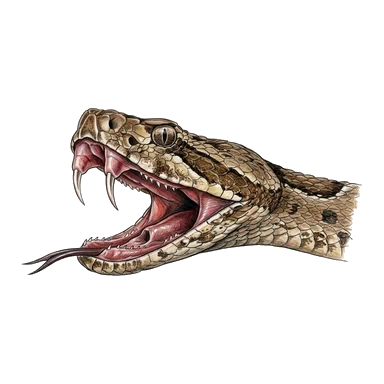 Ugrizi
The common krait is a highly venomous snake that lives across South Asia. It is shiny black or bluish-black with thin white crossbands. It causes more medically significant snakebites in the Indian subcontinent than any other snake, so knowing what it looks like matters.1
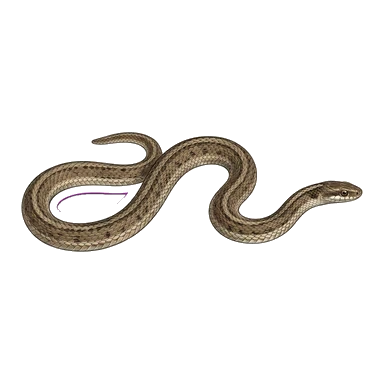
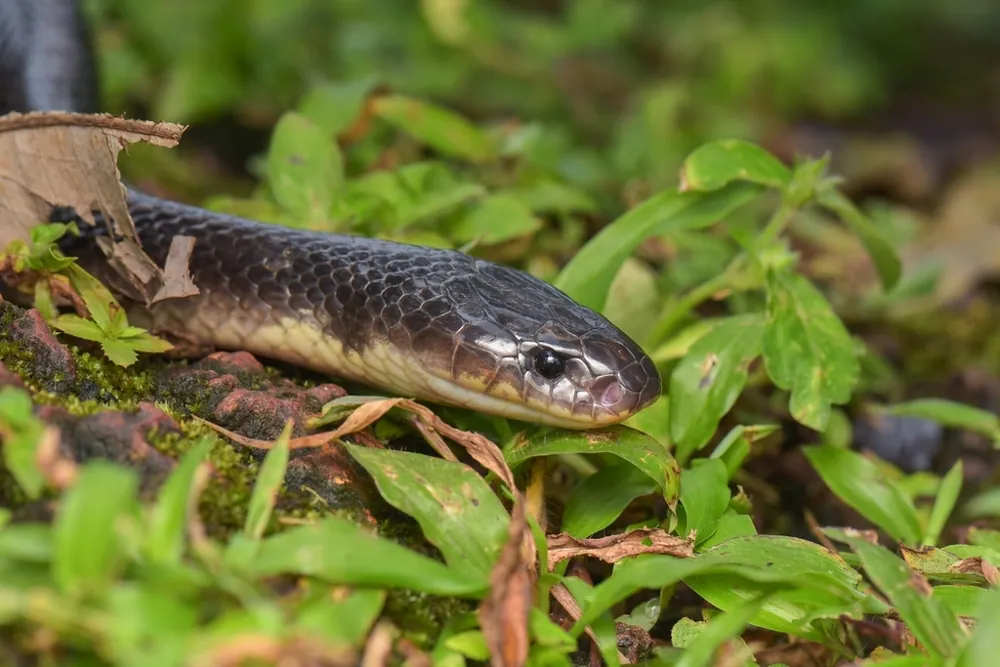
 Kako jo prepoznaš
- Body is generally black or bluish-black.1
- About 40 thin, white crossbars run along the body. They may be faint or missing near the head in adults.1
- Young snakes have clear, well-defined crossbands, even near the head.1
- Older snakes may show the white lines as a series of connected spots.1
- The head is flat, the neck is hardly visible, and the tail is short and rounded.1
Moč strupa
Strup pride ven skozi strupnike ali zobe, ko ugrizne.
Kaj naredi njen strup, ko ugrizne ali piči?
Its venom is neurotoxic, meaning it attacks the nerves. It blocks signals between nerves and muscles, which leads to progressive paralysis. Victims often have severe abdominal cramps and shortness of breath. Death from respiratory failure, meaning the breathing muscles stop working, may follow in about 4 to 8 hours if untreated.1
Kako nevarna je za ljudi?
Nevarnost za ljudi: Smrtno nevarnaEna najnevarnejših živali na svetu.It is responsible for the majority of medically significant snakebites in the Indian subcontinent. A clinical toxicology study reports an untreated mortality rate of 70 to 80 per cent. Bites often happen at night, when people are sleeping on the ground. The bite may cause little or no pain, which can delay treatment.1
 Dobra novica: zdravniki imajo za to zdravilo (protistrup) ali zdravljenje.1
Kaj naredi, ko se prestraši?
When threatened, it coils tightly with its head tucked underneath, may flatten its body, or makes sudden movements as a warning. It rarely bites unless provoked, but it can be more aggressive at night if disturbed.1
 Če ugrizne
- The main treatment is antivenom given in hospital. It should be given promptly, because it becomes less effective once paralysis has set in. Get medical help straight away after any suspected bite, even if there is little pain or swelling.1
- Poškodovanca drži pri miru in ga pomirjaj, odstrani prstane in tesne stvari ter ga hitro odpelji v bolnišnico: zdravljenje je protistrup.
Vedno najprej pokliči številko za klic v sili (112, 000, 911). To so splošna navodila za prvo pomoč, ne zdravniški nasvet. Osnove prve pomoči
 Ostani varen
- Nikoli se ne dotikaj divje živali, je ne lovi in je ne draži, tudi če je majhna in tudi če je videti, kot da spi ali je mrtva.
- Pusti ji prostor. Če jo srečaš, ostani miren, počasi stopi nazaj in jo pusti, da gre svojo pot.
- Če te ugrizne: ostani miren, ne premikaj se, pokliči številko za klic v sili (112, 000, 911) ali hitro pojdi v bolnišnico. Zapomni si, kako je izgledala, fotografija pomaga.
Ne preži nate. Strup uporablja, da ulovi hrano ali se zaščiti, in se veliko raje skrije. Več o varnosti
Kako velika je?
Kako dolga je?
 dolga kot 4 domačih mačk od nosu do repa
 dolga kot 10 banan, položenih ena za drugo
 zmore 100 metrov v 52 sekundah (najhitrejši človek potrebuje 9,6)
Kakšne velikosti je Common krait v primerjavi s TABO?
Samo matematika v tvojem brskalniku. Nič se ne shrani in nič se nikamor ne pošlje.
Kako hitra je?


Dejstva
A bite from this snake often causes little or no pain and almost no swelling or bleeding, which can make it hard to find the bite mark.1
Its venom is one of the most potent of any Indian snake, and the estimated lethal dose for a human is 2 to 3 mg.1
Its venom contains no clotting or tissue-destroying agents, which is why there is no local damage at the bite site.1
Neostigmine, a drug that works against cobra venom, does not work against common krait venom.1
It is mostly active at night and rarely meets people during the day.1
Its stable population has been helped by its ability to adapt to farmland and villages.1
Razbijalec mitov
Mit: A bite that does not hurt is harmless.
Resnica: The bite often causes little pain, but severe paralysis and breathing failure can follow. The lack of pain can give false reassurance.1
Za strokovnjake za strupe
- Znanstveno ime
- Bungarus caeruleus
- Skupina
- Kobre, mambe in kraiti
- Družina
- Elapidae2
- Red
- Squamata
- Celine
- Azija
- Mladiči
- It lays 5 to 15 eggs in leaf litter or burrows. The female guards the eggs until they hatch after about 60 days. Hatchlings are fully independent and already carry venom.1
- Nevarnost za ljudi
- 5 / 5: Smrtno nevarna3
Od kod so dejstva
- Common krait (Wikipedia (CC BY-SA 4.0))
- Bungarus caeruleus (iNaturalist): imena in razvrstitev.
- Venom Wiki: stopnja nevarnosti, tipična velikost in ocena hitrosti so naše lastne. Poglej, kako jih določimo: Kako ocenjujemo nevarnost.
Vsako dejstvo na tej strani ima številko, ki kaže na njegov vir. Če smo se kje zmotili, oprosti, smo ljubitelji živali, ne znanstvena revija. Sporoči nam na [email protected] in bomo popravili.
 Škorpijon je lačen! Venom Wiki je projekt enega človeka: brezplačen, brez oglasov in brez sledilnikov. Majhna napitnina pomaga, da ostane na spletu.Nahrani škorpijona
 Indian cobra
 King cobra
 Caspian cobra
 Malayan krait
 Many-banded krait
 Monocled cobra
 Deathstalker
 Indian saw-scaled viper
 Puff adder
 Russellov gad
 Asian giant hornet
 Komodo dragon