
 Afrika
 Asia
Asia Yuropu
 Amerika yeKumaodzanyemba
 Australia neOceania
 Antarctica
 Gungwa rePacific
 Gungwa reAtlantic
 Gungwa reIndia
 Gungwa reArctic
 Gungwa reMediterranean
 Gungwa Dzvuku
 Gungwa reCaribbean
 Gungwa reCoral
 Gungwa reChina yeKumaodzanyemba
 Gungwa rePhilippines
 Gungwa reAndaman
 Gungwa reKuchamhembe
 Gungwa reTimor neArafura
 Gungwa reBengal
 Gulf yeCalifornia
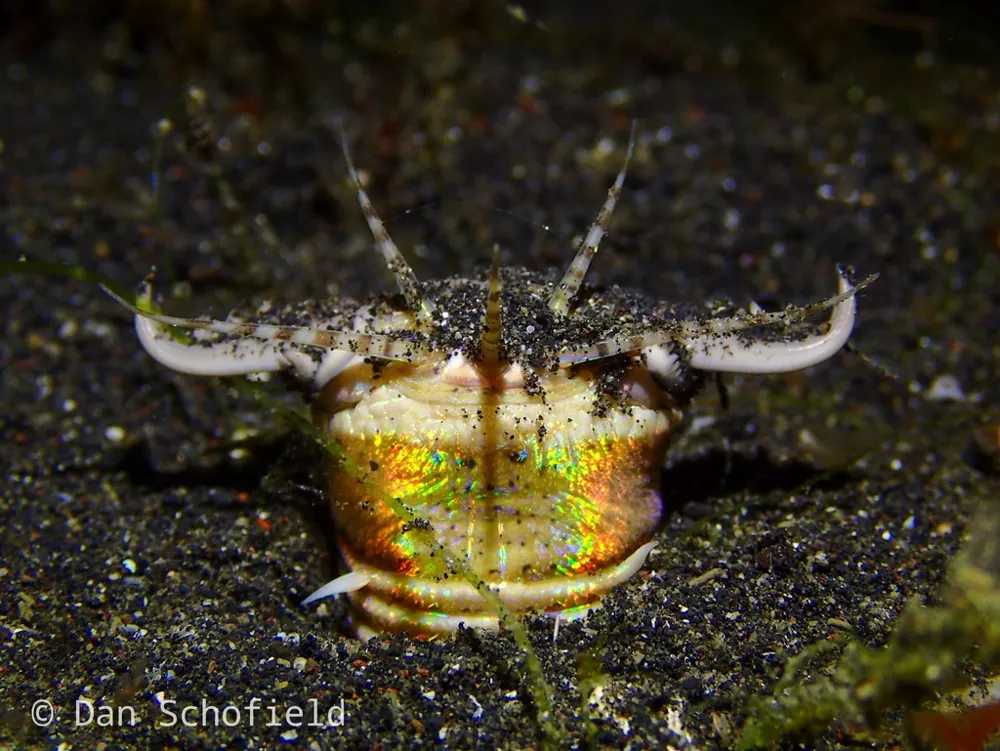
Bobbit worm
 Inoruma
The bobbit worm is a long, slim sea worm that hides in the sand or mud on the ocean floor. It waits with its whole body buried, then strikes passing fish and other prey with sharp jaws. It lives in warm seas, mainly in the Atlantic and the Indo-Pacific, and can grow to nearly 3 metres long.1
 Maziviro ayo
Simba reuturu
Uturu hunobuda nemeno ayo painoruma.
Ine ngozi yakadii kuvanhu?
Ngozi kuvanhu: InorwadzaInogona kurwadza chaizvo, asi kazhinji haisi njodzi huru. Kana ikaruma
- Isa ronda mumvura inopisa, inopisa sezvinokwanisa munhu asina kutsva, uye wana rubatsiro rwechiremba kuti mazonzwa abviswe. Usaachera iwe pachako.
Gara uchitanga wafonera nhamba yechimbichimbi (112, 000, 911). Iri izano rakajairika rerubatsiro rwekutanga, kwete zano rechiremba. Zvakakosha zverubatsiro rwekutanga
 Gara wakachengeteka
- Usambobata mhuka yesango, kuedza kuitora kana kuinetsa, kunyange iri diki, uye kunyange ichiita seyakarara kana yakafa.
- Ipa nzvimbo. Kana ukasangana nayo, dzikama, dzokera shure zvishoma nezvishoma uirege iende nenzira yayo.
- Kana imwe ikakuruma: dzikama, gara wakanyarara, fonera nhamba yechimbichimbi (112, 000, 911) kana kuti enda kuchipatara nokukurumidza. Rangarira kuti yaitaridzika sei, mufananidzo unobatsira.
Haisi kukutsvaga. Inoshandisa uturu hwayo kubata chikafu kana kuzvidzivirira, uye inotonyanya kuda kuhwanda. Zvimwe pamusoro pekugara wakachengeteka
Kupi pasi rose?
Yakakura sei?
Yakareba zvakadii?
 yakareba seimbwa 3 kubva pamhuno kusvika kumuswe
 yakareba semabhanana 17 akateedzana
Bobbit worm yakakura sei kana yaenzaniswa NEWE?
Masvomhu chete mubrowser yako. Hapana chinochengetwa kana kutumirwa kupi zvako.
Inomhanya zvakadii?


Chokwadi
It is the longest known member of the polychaete class of bristle worms, with the largest specimen on record reaching 299 cm.1
Some fish mob the worm by directing jets of water into its burrow to disorient it.1
It hunts by burrowing its whole body into soft sediment and waiting until its antennae detect prey.1
Fossil burrows from Miocene rocks in northeastern Taiwan, about 20 million years old, have been linked to this species.1
Despite its length, its body is only about 25.5 mm wide.1
Kuputsa ngano
Ngano: The worm can reproduce by splitting into several pieces.
Chokwadi: There is no scientific evidence that it reproduces this way. Reports of this appear to come from misreading movement in dead or injured worms. It can regenerate its rear segments, but it reproduces sexually.1
Kune nyanzvi dzeuturu
- Zita resainzi
- Eunice aphroditois
- Boka
- Masea urchin, nyeredzi dzegungwa nemakonye egungwa
- Mhuri
- Eunicidae2
- Odha
- Eunicida
- Makondinendi
- Gungwa rePacific, Gungwa reIndia, Gungwa reAtlantic, Gungwa Dzvuku, Gungwa reMediterranean, Gungwa reCaribbean, Gungwa reTimor neArafura, Makungwa makuru
- Vacheche
- It releases sperm and eggs into the water, where fertilisation happens outside the body, and the young drift as larvae before settling and growing into juvenile worms.1
- Ngozi kuvanhu
- 2 / 5: Inorwadza3
Kwakabva chokwadi
- Eunice aphroditois (Wikipedia (CC BY-SA 4.0))
- Eunice aphroditois (iNaturalist): mazita nekurongwa kwemhuka.
- Venom Wiki: danho rengozi, saizi yakajairika nekufungidzira kwekumhanya ndezvedu. Ona kuti tinozviwana sei: Matinoyera ngozi.
Chokwadi chimwe nechimwe pane peji rino chine nhamba inoratidza kwachakabva. Kana takakanganisa, ruregerero, tiri vanoda mhuka, kwete magazini yesainzi. Tiudze pa[email protected] tichazvigadzirisa.
 Chinyavada chine nzara! Venom Wiki iprojekiti yemunhu mumwe: yemahara, isina kushambadza uye isina zvinokuteedzera. Chipo chidiki chinobatsira kuti irambe iri paindaneti.Fudza chinyavada
Zvimwe kubva muboka rimwe chete: Masea urchin, nyeredzi dzegungwa nemakonye egungwa
 Crown-of-thorns starfishMasea urchin, nyeredzi dzegungwa nemakonye egungwaInoda chirembaUsabata
 Flower urchinMasea urchin, nyeredzi dzegungwa nemakonye egungwaInogona kuuraya
 Fire urchinMasea urchin, nyeredzi dzegungwa nemakonye egungwaInoda chirembaUsabata
 Bearded firewormMasea urchin, nyeredzi dzegungwa nemakonye egungwaInongorwadzaUsabata
 Black long-spined urchinMasea urchin, nyeredzi dzegungwa nemakonye egungwaInongorwadzaUsabata
 BloodwormMasea urchin, nyeredzi dzegungwa nemakonye egungwaInongorwadza
Inogarawo mu: Gungwa rePacific
 Australian box jellyfishMajellyfish nezvimwe zvinobaya zvegungwaInourayaUsabata
 Geography coneHozhwa dzecone nemaoctopusInouraya
 Greater blue-ringed octopusHozhwa dzecone nemaoctopusInouraya
 Japanese pufferfishDzimwe mhuka dzine chepfuInouraya
 Southern blue-ringed octopusHozhwa dzecone nemaoctopusInouraya
 Hawksbill sea turtleDzimwe mhuka dzine chepfuInogona kuuraya