
 Afrika
 Asia
Asia Yuropu
 Amerika yeKumaodzanyemba
 Australia neOceania
 Antarctica
 Gungwa rePacific
 Gungwa reAtlantic
 Gungwa reIndia
 Gungwa reArctic
 Gungwa reMediterranean
 Gungwa Dzvuku
 Gungwa reCaribbean
 Gungwa reCoral
 Gungwa reChina yeKumaodzanyemba
 Gungwa rePhilippines
 Gungwa reAndaman
 Gungwa reKuchamhembe
 Gungwa reTimor neArafura
 Gungwa reBengal
 Gulf yeCalifornia
European beewolf
 Inobaya
The European beewolf is a solitary wasp, not a bee. It lives across Europe, North Africa and parts of Africa. The female hunts honey bees to feed her young, which is why it is named after them.1


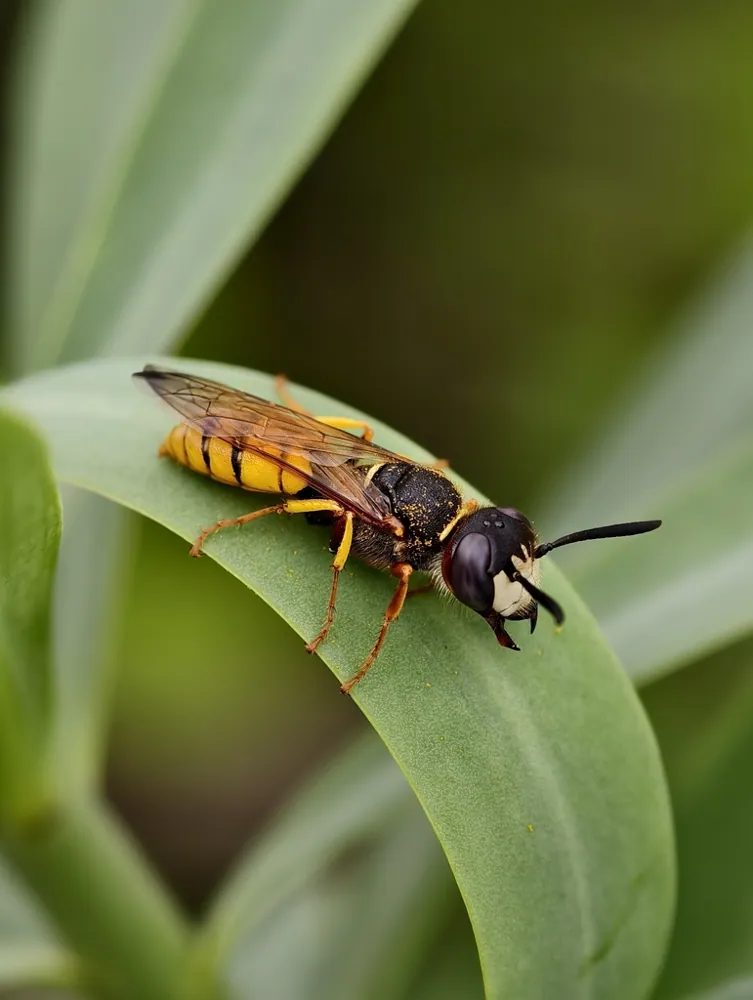
 Maziviro ayo
Simba reuturu
Uturu hunobuda nerumbori.
Uturu hwayo hunoitei?
The female stings its bee prey to paralyse them, so they stay alive but cannot move. The paralysed bees are stored in the nest as food for the larvae.1
Ine ngozi yakadii kuvanhu?
Ngozi kuvanhu: Ngozi shomaSenyuchi kubaya kana kushoma. Kazhinji haina ngozi kuvanhu. Kana ikabaya
- Bvisa rumbori rwenyuchi nekurikwenya, wotonhodza panzvimbo iyoyo.
- Kana munhu achinetseka kufema, chiso kana huro zvichizvimba, kana achinzwa kunge ofenda, ndiyo njodzi yeallergy: fonera nhamba yechimbichimbi uye shandisa pen yake yeadrenaline kana anayo.
Gara uchitanga wafonera nhamba yechimbichimbi (112, 000, 911). Iri izano rakajairika rerubatsiro rwekutanga, kwete zano rechiremba. Zvakakosha zverubatsiro rwekutanga
 Gara wakachengeteka
- Usambobata mhuka yesango, kuedza kuitora kana kuinetsa, kunyange iri diki, uye kunyange ichiita seyakarara kana yakafa.
- Ipa nzvimbo. Kana ukasangana nayo, dzikama, dzokera shure zvishoma nezvishoma uirege iende nenzira yayo.
- Kana imwe ikakubaya: dzikama, gara wakanyarara, fonera nhamba yechimbichimbi (112, 000, 911) kana kuti enda kuchipatara nokukurumidza. Rangarira kuti yaitaridzika sei, mufananidzo unobatsira.
Haisi kukutsvaga. Inoshandisa uturu hwayo kubata chikafu kana kuzvidzivirira, uye inotonyanya kuda kuhwanda. Zvimwe pamusoro pekugara wakachengeteka
Yakakura sei?
Yakareba zvakadii?
 ipfupi kupfuura munwe wako mudiki
 inogona kubhururuka ichiyambuka nhandare yose yebhora mumasekondi 15
European beewolf yakakura sei kana yaenzaniswa NEWE?
Masvomhu chete mubrowser yako. Hapana chinochengetwa kana kutumirwa kupi zvako.
Inomhanya zvakadii?


Chokwadi
Females protect their young from mould by applying a secretion to the bees, and the egg releases nitric oxide that kills growing fungi.1
Females also secrete a substance containing Streptomyces bacteria, which protect the larva's cocoon from fungal infection.1
The female hunts honey bees, and the species is apparently the only one in its genus that specialises in western honey bees.1
Nests can form large groups, with as many as 15,000 burrows in one aggregation.1
Niko Tinbergen's experiments showed that the wasp identifies its nest by sight.1
In Britain it was once considered one of the great rarities among stinging wasps, but its range has expanded northwards as summers have grown warmer.1
Kune nyanzvi dzeuturu
- Zita resainzi
- Philanthus triangulum
- Boka
- Nyuchi, mago nemahornet
- Mhuri
- Crabronidae2
- Odha
- Hymenoptera
- Makondinendi
- Yuropu, Afrika
- Vacheche
- The female lays an egg in an underground brood cell with several paralysed bees as food for the larva, and in cooler regions the larva overwinters.1
- Iri kurarama sei musango
- RDB2 (vulnerable) in Britain, though this may be revised because its range and numbers have increased1
- Ngozi kuvanhu
- 1 / 5: Ngozi shoma3
Kwakabva chokwadi
- European beewolf (Wikipedia (CC BY-SA 4.0))
- Philanthus triangulum (iNaturalist): mazita nekurongwa kwemhuka.
- Venom Wiki: danho rengozi, saizi yakajairika nekufungidzira kwekumhanya ndezvedu. Ona kuti tinozviwana sei: Matinoyera ngozi.
Chokwadi chimwe nechimwe pane peji rino chine nhamba inoratidza kwachakabva. Kana takakanganisa, ruregerero, tiri vanoda mhuka, kwete magazini yesainzi. Tiudze pa[email protected] tichazvigadzirisa.
 Chinyavada chine nzara! Venom Wiki iprojekiti yemunhu mumwe: yemahara, isina kushambadza uye isina zvinokuteedzera. Chipo chidiki chinobatsira kuti irambe iri paindaneti.Fudza chinyavada
Zvimwe kubva muboka rimwe chete: Nyuchi, mago nemahornet
 Common waspNyuchi, mago nemahornetInongorwadza
 European hornetNyuchi, mago nemahornetInongorwadza
 Western honey beeNyuchi, mago nemahornetInongorwadza
 European paper waspNyuchi, mago nemahornetInongorwadza
 German waspNyuchi, mago nemahornetInongorwadza
 Buff-tailed bumblebeeNyuchi, mago nemahornetIsina ngozi
Inogarawo mu: Yuropu
 Common European adderMavhaipa nemaadderInoda chiremba
 Spanish flyDzimwe mhuka dzine chepfuInoda chirembaUsabata
 Fire salamanderMatatya ane chepfu, matoad nemanewtInongorwadzaUsabata
 Blunt-nosed viperMavhaipa nemaadderInogona kuuraya
 Nose-horned viperMavhaipa nemaadderInogona kuuraya
 Ottoman viperMavhaipa nemaadderInogona kuuraya