
 Afrika
 Asia
Asia Yuropu
 Amerika yeKumaodzanyemba
 Australia neOceania
 Antarctica
 Gungwa rePacific
 Gungwa reAtlantic
 Gungwa reIndia
 Gungwa reArctic
 Gungwa reMediterranean
 Gungwa Dzvuku
 Gungwa reCaribbean
 Gungwa reCoral
 Gungwa reChina yeKumaodzanyemba
 Gungwa rePhilippines
 Gungwa reAndaman
 Gungwa reKuchamhembe
 Gungwa reTimor neArafura
 Gungwa reBengal
 Gulf yeCalifornia
Pine-tree lappet
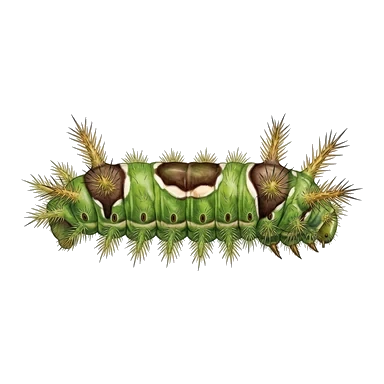 Mvere dzinobaya
The pine-tree lappet is a moth whose caterpillars eat the needles and bark of pine and spruce trees. It is found across Europe, Asia and North Africa. Its caterpillars are covered in fine, sharp hairs that can irritate the skin and cause a serious illness, so it is important to recognise them and avoid touching them.1
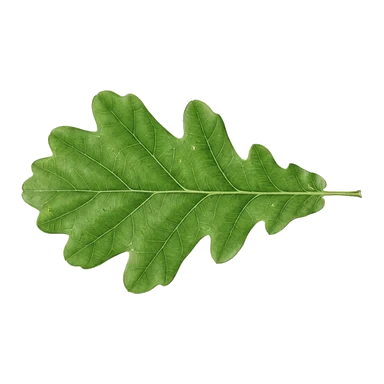
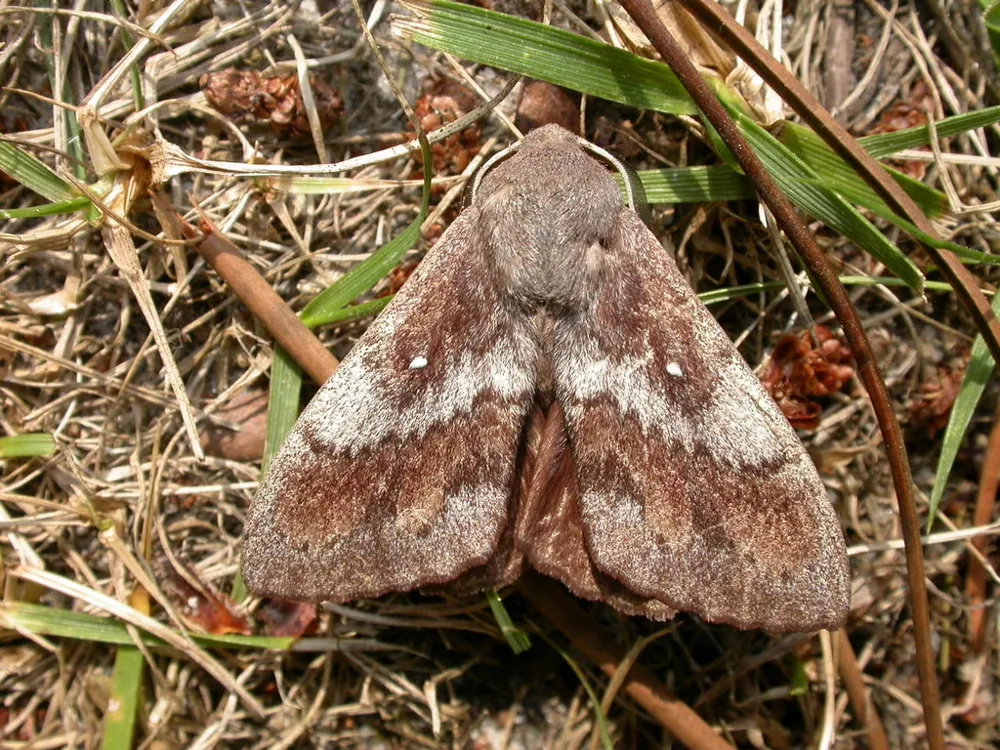
 Maziviro ayo
- Caterpillars are fuzzy, covered in long, slender hairs with sharp tips, and have black hairs on the thorax.1
- Caterpillar thorax has thick, alternating steel-blue bands, and the abdomen has a black mark bordered by irregular white lines.1
- Cocoons are loose and partly see-through, ranging from yellow-brown to deep black, and are often marked with steel-blue hairs.1
- Adult forewings are grey-brown to brown with a reddish-brown band and a dark brown to black stripe along the edges.1
- Females are larger than males, with a wingspan of 70 to 90 mm, while males have a wingspan of 50 to 70 mm and are usually darker.1
Simba reuturu
Mvere diki dzinodimbukira muganda dzichibaya.
Uturu hwayo hunoitei?
This animal is not venomous. When the sharp hairs of the caterpillar or cocoon break the skin, they release a toxin. This can cause skin rash, inflammation of the joints and cartilage, and chronic osteoarthritis.1
Ine ngozi yakadii kuvanhu?
Ngozi kuvanhu: InorwadzaInogona kurwadza chaizvo, asi kazhinji haisi njodzi huru.Contact with the hairs of living or dead caterpillars, or with their cocoons, can cause an illness called dendrolimiasis.1
Inoitei kana yatya?
Caterpillars defend themselves with their sharp, irritating hairs, while adults lose these hairs and rely on camouflage.1
 Kana ukabata mvere dzayo
- Kune mvere dzemakonye anobaya: dzibvise nekamatepi kanonamira, wozogeza ganda. Usakwesha.
- Kana yakuruma: geza parumwa wotonhodza. Wana rubatsiro rwechiremba kana munhu asinganzwi zvakanaka kana achibuda ropa zviri nyore.
Gara uchitanga wafonera nhamba yechimbichimbi (112, 000, 911). Iri izano rakajairika rerubatsiro rwekutanga, kwete zano rechiremba. Zvakakosha zverubatsiro rwekutanga
 Gara wakachengeteka
- Usambobata mhuka yesango, kuedza kuitora kana kuinetsa, kunyange iri diki, uye kunyange ichiita seyakarara kana yakafa.
- Ipa nzvimbo. Kana ukasangana nayo, dzikama, dzokera shure zvishoma nezvishoma uirege iende nenzira yayo.
- Kana ukabata mvere dzayo: dzikama, gara wakanyarara, fonera nhamba yechimbichimbi (112, 000, 911) kana kuti enda kuchipatara nokukurumidza. Rangarira kuti yaitaridzika sei, mufananidzo unobatsira.
Haisi kukutsvaga. Inoshandisa uturu hwayo kubata chikafu kana kuzvidzivirira, uye inotonyanya kuda kuhwanda. Zvimwe pamusoro pekugara wakachengeteka
Yakakura sei?
Yakareba zvakadii?
 yakareba sezvidhinha zvematoyi 3 zvakateedzana
 inononoka kupfuura hozhwa yemugadheni
Pine-tree lappet yakakura sei kana yaenzaniswa NEWE?
Masvomhu chete mubrowser yako. Hapana chinochengetwa kana kutumirwa kupi zvako.
Inomhanya zvakadii?

Chokwadi
Mass feeding by caterpillars can strip whole forests of their needles, which harms the forestry industry.1
Caterpillars can survive for a month without food, which helps them spread when people accidentally transport them.1
Adult moths do not feed and live for only about 9 to 10 days.1
Caterpillars eat the first skins of their eggs as their first meal after hatching.1
Scientists found that the cast skins of the caterpillar contain a substance that may help protect them from fungal infections.1
A single generation takes one year in warmer climates, but about two years in cooler regions.1
Kwakabva chokwadi
- Dendrolimus pini (Wikipedia (CC BY-SA 4.0))
- Dendrolimus pini (iNaturalist): mazita nekurongwa kwemhuka.
- Venom Wiki: danho rengozi, saizi yakajairika nekufungidzira kwekumhanya ndezvedu. Ona kuti tinozviwana sei: Matinoyera ngozi.
Chokwadi chimwe nechimwe pane peji rino chine nhamba inoratidza kwachakabva. Kana takakanganisa, ruregerero, tiri vanoda mhuka, kwete magazini yesainzi. Tiudze pa[email protected] tichazvigadzirisa.
 Chinyavada chine nzara! Venom Wiki iprojekiti yemunhu mumwe: yemahara, isina kushambadza uye isina zvinokuteedzera. Chipo chidiki chinobatsira kuti irambe iri paindaneti.Fudza chinyavada
Zvimwe kubva muboka rimwe chete: Makonye nezvipukanana
 Oak processionaryMakonye nezvipukananaInongorwadzaUsabata
 Pine processionaryMakonye nezvipukananaInongorwadzaUsabata
 Common bombardier beetleMakonye nezvipukananaIsina ngozi
 Asian giant water bugMakonye nezvipukananaInongorwadza
 Blue-striped nettle grubMakonye nezvipukananaInongorwadzaUsabata
 Brown-tail mothMakonye nezvipukananaInongorwadzaUsabata
Inogarawo mu: Yuropu
 Common European adderMavhaipa nemaadderInoda chiremba
 Spanish flyDzimwe mhuka dzine chepfuInoda chirembaUsabata
 Common waspNyuchi, mago nemahornetInongorwadza
 European hornetNyuchi, mago nemahornetInongorwadza
 Fire salamanderMatatya ane chepfu, matoad nemanewtInongorwadzaUsabata
 Western honey beeNyuchi, mago nemahornetInongorwadza