
 Afrika
 Asia
Asia Yuropa
 Amerika Borwa
 Australia le Oceania
 Antarctica
 Lewatle la Pacific
 Lewatle la Atlantic
 Lewatle la India
 Lewatle la Arctic
 Lewatle la Mediterranean
 Lewatle le Lefubedu
 Lewatle la Caribbean
 Lewatle la Coral
 Lewatle la China Borwa
 Lewatle la Philippine
 Lewatle la Andaman
 Lewatle la Leboya
 Lewatle la Timor le Arafura
 Kgwohlo ya Bengal
 Kgwohlo ya California
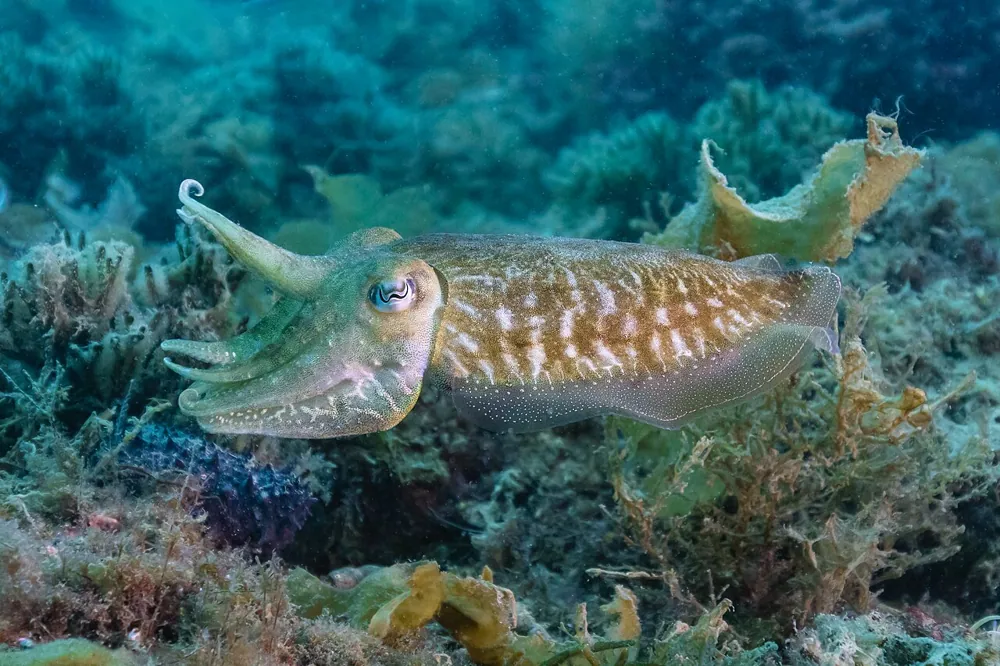
Common cuttlefish
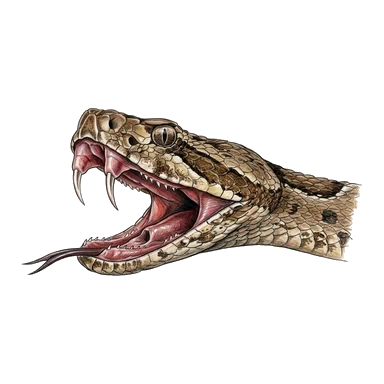 Ho loma
The common cuttlefish is a sea creature related to squid and octopuses. It is one of the largest and best-known cuttlefish species. It lives on sand and mud seabeds in the Mediterranean, North Sea and Baltic Sea.1
 Ho e tseba jwang
- Two highly developed eyes and eight arms around the mouth, plus two longer feeding tentacles1
- An internal shell, the cuttlebone, on the back of the body1
- Males in breeding season show a bold black and white zebra pattern on the mantle1
- Females in breeding season show a uniform grey colour1
- Can change colour and skin texture to blend into its surroundings1
Matla a chefo
Chefo e tswa ka meno a yona a chefo (fangs) kapa ka meno a mang ha e loma.
E kotsi hakae ho batho?
Kotsi ho batho: E bobebeJwaloka ho hlajwa ke notshi kapa ho fetang moo. Ha e na kotsi ho batho.E etsang ha e tshohile?
It hides by camouflage, sitting still while a predator passes. If found, it jets away using its siphon and often releases ink.1
 Haeba e loma
- Pressure immobilisation: phuthela bandeje e tiileng e huduhang (elastiki) hodima moo e lomileng teng ebe o nyolla setho sohle, o se tlame ka splint (lepolanka la ho se tshehetsa), mme o boloke motho a sa sisinyehe ho hang ho fihlela thuso e fihla.
- Octopus e nang le mehele e putswa kapa kgofu ya cone e ka etsa hore motho a emise ho hema a ntse a tsohile: bitsa thuso mme o itokisetse ho mo hemela ka molomo (rescue breaths) ho fihlela ambulense e nka boikarabelo.
Kamehla letsetsa nomoro ya tshohanyetso pele (112, 000, 911). Ena ke tataiso e akaretsang ya thuso ya pele, hase keletso ya bongaka. Metheo ya thuso ya pele
 Dula o bolokehile
- O se ke wa ama, wa tshwara kapa wa tena phoofolo ya naheng, leha e le e nyenyane, le leha e shebahala e robetse kapa e shwele.
- E fe sebaka. Ha o kopana le yona, dula o kgutsitse, kgutlela morao butle mme o e tlohele e tsamaye ka tsela ya yona.
- Haeba e nngwe e o loma: dula o kgutsitse, o se ke wa sisinyeha, letsetsa nomoro ya tshohanyetso (112, 000, 911) kapa o ye sepetlele kapele. Hopola hore e ne e shebahala jwang, foto e a thusa.
Ha e o batle. E sebedisa chefo ya yona ho tshwara dijo kapa ho itshireletsa, mme e kgetha ho ipata. Ho eketsehileng ka ho dula o bolokehile
Hokae lefatsheng?
E kgolo hakae?
E telele hakae?
E boima hakae?
 e telele jwaloka dibanana tse 2,5 tse latellanang
 e telele jwaloka diboloko tsa ho bapala tse 15 moleng
 e boima jwaloka katse ya lapeng
 e ka sesa bolelele ba letangwane le leholo la ho sesa (50 m) ka metsotswana e 12
Common cuttlefish e kgolo hakae ha e bapiswa le WENA?
Ke dipalo feela ka hara sebatli sa hao. Ha ho letho le bolokwang kapa le romelwang kae kapa kae.
E potlaka hakae?

,_Parque_natural_de_la_Arr%C3%A1bida,_Portugal,_2020-07-21,_DD_62.jpg)
Dintlha
Cuttlefish can change colour and skin texture within seconds, and this camouflage ability is present before they hatch, as young can change their pattern from inside the egg.1
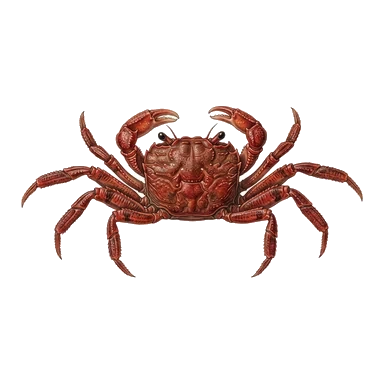
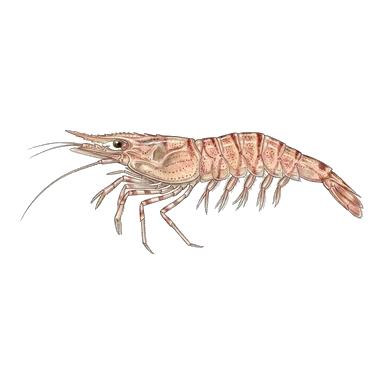
Young cuttlefish learn prey preferences before hatching. Embryos that see crabs later hunt crabs more often than shrimp.1
The colour sepia, a deep brown, is named after this cuttlefish and is extracted from its ink sac.1
Cuttlebones are sold as a source of calcium for pet parrots, and they help keep the bird's beak trimmed.1
Cuttlefish ink is used as a food ingredient that stains dishes deep black.1
Large numbers of cuttlefish die after spawning, and they usually live only up to 2 years.1
Bakeng sa ditsebi tsa chefo
- Lebitso la saense
- Sepia officinalis
- Sehlopha
- Dikgofu tsa cone le di-octopus
- Lelapa
- Sepiidae2
- Tatelano
- Sepiida
- Dikontinente
- Lewatle la Atlantic, Lewatle la Mediterranean, Lewatle la Leboya, Mawatle
- Masea
- The female attaches between 150 and 4000 eggs to seaweed, shells or other surfaces. The eggs hatch after 30 to 90 days, depending on temperature, into miniature adults.1
- Nako ya bophelo
- e ka bang dilemo tse 21
- Boemo ba yona naheng
- Least Concern1
- Kotsi ho batho
- 1 / 5: E bobebe3
Moo dintlha di tswang teng
- Common cuttlefish (Wikipedia (CC BY-SA 4.0))
- Sepia officinalis (iNaturalist): mabitso le tlhophiso.
- Venom Wiki: boemo ba kotsi, boholo bo tlwaelehileng le kakanyo ya lebelo ke tsa rona. Bona kamoo re di balang ka teng: Kamoo re lekanyang kotsi ka teng.
Taba e nngwe le e nngwe leqepheng lena e na le nomoro e bontshang mohlodi wa yona. Haeba re entse phoso, re kopa tshwarelo, re barati ba diphoofolo, hase makasine wa saense. Re bolelle ho [email protected] mme re tla e lokisa.
 Phepheng e lapile! Venom Wiki ke projeke ya motho a le mong: ke mahala, ha e na dipapatso ebile ha e na di-tracker. Thuso e nyenyane ya tjhelete e e boloka e ntse e le inthaneteng.Fepa phepheng
Tse ding tsa sehlopha se le seng: Dikgofu tsa cone le di-octopus
 Geography coneDikgofu tsa cone le di-octopusE a bolaya
 Greater blue-ringed octopusDikgofu tsa cone le di-octopusE a bolaya
 Southern blue-ringed octopusDikgofu tsa cone le di-octopusE a bolaya
 Blue sea dragonDikgofu tsa cone le di-octopusE utlwisa bohloko feela
 Common octopusDikgofu tsa cone le di-octopusHa e na kotsi
 Giant Pacific octopusDikgofu tsa cone le di-octopusHa e na kotsi
E boetse e phela: Lewatle la Atlantic
 Hawksbill sea turtleDiphoofolo tse ding tse chefangE ka bolaya
 Portuguese man o' warDi-jellyfish le diphoofolo tsa lewatle tse hlabangE hloka ngakaO se ke wa ama
 Greenland sharkDiphoofolo tse ding tse chefangE utlwisa bohloko feela
 Lion's mane jellyfishDi-jellyfish le diphoofolo tsa lewatle tse hlabangE utlwisa bohloko feelaO se ke wa ama
 Moon jellyfishDi-jellyfish le diphoofolo tsa lewatle tse hlabangHa e na kotsi
 Common stingrayDitlhapi tse nang le chefoE hloka ngaka