
 Afrika
 Asia
Asia Yuropa
 Amerika Borwa
 Australia le Oceania
 Antarctica
 Lewatle la Pacific
 Lewatle la Atlantic
 Lewatle la India
 Lewatle la Arctic
 Lewatle la Mediterranean
 Lewatle le Lefubedu
 Lewatle la Caribbean
 Lewatle la Coral
 Lewatle la China Borwa
 Lewatle la Philippine
 Lewatle la Andaman
 Lewatle la Leboya
 Lewatle la Timor le Arafura
 Kgwohlo ya Bengal
 Kgwohlo ya California
Common toad
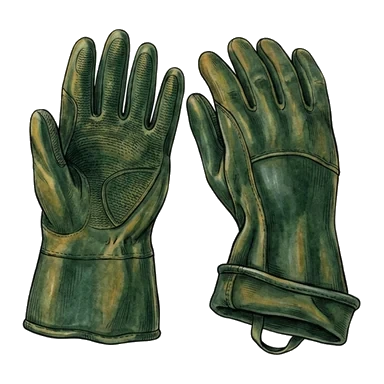 Chefo letlalong la yonaE ja: NamaE chefang, eseng e nang le chefo
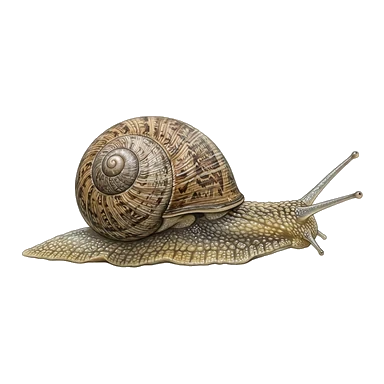
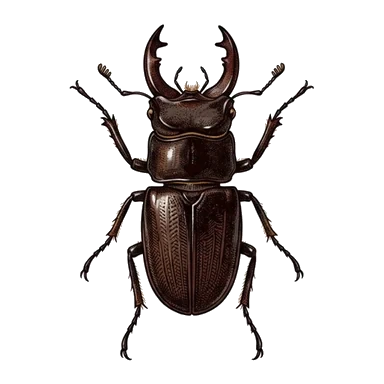
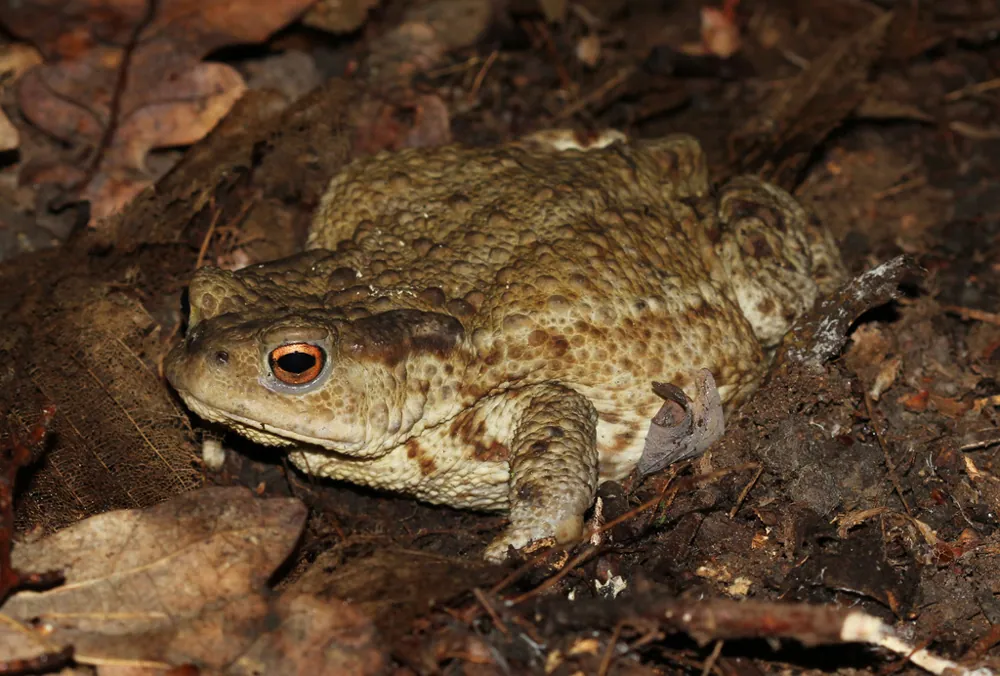
The common toad is a stout, warty toad that lives across most of Europe, in western North Asia and in a small part of northwest Africa. It hides under stones and leaves by day and hunts slugs, beetles and worms at night. Its skin releases a foul-tasting toxin that helps protect it from predators.1
 Ho e tseba jwang
- Greyish-brown, olive-brown or brown skin covered in small, wart-like lumps1
- Bulging paratoid glands just behind the eyes, which are a clear sign of a toad1
- Yellow or copper-coloured eyes with horizontal, slit-shaped pupils1
- No tail, no teeth, and no neck visible between the head and body1
- Walks slowly or makes short shuffling hops, rather than leaping1
Hangata e ferekanngwa le: The natterjack toad is usually smaller and has a yellow band down its back. The European green toad has a distinctive mottled pattern. The paratoid glands of both of these run parallel to each other, not slanting as in the common toad. The common frog has a less rounded snout, damp smooth skin, and usually leaps.1
Matla a chefo
Letlalo la yona le a chefa. Ho kotsi ho e ama, ho e nyeka kapa ho e ja.
Chefo ya yona (e chefang ha o e ama kapa o e ja) e etsang?
The toad is poisonous rather than venomous, so it does not inject venom. Its paratoid glands and other skin glands secrete a noxious, foul-tasting substance containing bufotoxin, which is enough to deter many predators. Grass snakes seem to be unaffected by it.1
E kotsi hakae ho batho?
Kotsi ho batho: E bohlokoE ka utlwisa bohloko haholo, empa hoo e batlang e le kamehla ha e kotsi haholo.E etsang ha e tshohile?
When attacked, it inflates its body and stands with its hindquarters raised and its head lowered.1
 Haeba motho a e amme kapa a e jele
- Haeba motho a amme e nngwe: hlatswa matsoho hantle mme o se ke wa ama mahlo kapa molomo. Haeba ngwana kapa phoofolo ya lapeng e e nyeditse kapa e e jele: letsetsa setsi sa chefo (poison centre) kapa nomoro ya tshohanyetso.
Kamehla letsetsa nomoro ya tshohanyetso pele (112, 000, 911). Ena ke tataiso e akaretsang ya thuso ya pele, hase keletso ya bongaka. Metheo ya thuso ya pele
 Dula o bolokehile
- O se ke wa ama, wa tshwara kapa wa tena phoofolo ya naheng, leha e le e nyenyane, le leha e shebahala e robetse kapa e shwele.
- E fe sebaka. Ha o kopana le yona, dula o kgutsitse, kgutlela morao butle mme o e tlohele e tsamaye ka tsela ya yona.
- Haeba o e amme kapa o e jele: o se ke wa hohla mahlo kapa molomo, hlatswa matsoho mme o fumane thuso ya bongaka.
Ha e o batle. Chefo ya yona e teng feela hore ho se be le letho le e jang. Ho eketsehileng ka ho dula o bolokehile
Hokae lefatsheng?
E kgolo hakae?
E telele hakae?
 e telele jwaloka diboloko tsa ho bapala tse 5 moleng
 e ka matha metara e 100 ka metsotswana e 180 (motho ya potlakang ka ho fetisisa o hloka 9,6)
Common toad e kgolo hakae ha e bapiswa le WENA?
Ke dipalo feela ka hara sebatli sa hao. Ha ho letho le bolokwang kapa le romelwang kae kapa kae.
E potlaka hakae?


Dintlha
Common toads have been recorded at depths of about 99 m in Loch Ness, Scotland, which surprised researchers because it is an air-breathing animal.1
Crows have been seen puncturing the toad's skin and pecking out its liver to avoid the toxin.1
They can live for about ten to twelve years in the wild and have survived for fifty years in captivity.1
Toads can see prey in low light where humans cannot see anything.1
Adults often return to the same breeding pond year after year, and over 80% of males marked as juveniles were found to return to the pond where they were spawned.1
Bakeng sa ditsebi tsa chefo
- Lebitso la saense
- Bufo bufo
- Sehlopha
- Dihoho tse chefang, mampotsana le di-newt
- Lelapa
- Bufonidae2
- Tatelano
- Anura
- Dikontinente
- Yuropa, Asia
- Masea
- The female lays eggs in gelatinous strings in the water. These hatch into tadpoles, which take several months to grow and sprout limbs before becoming tiny toads.1
- Nako ya bophelo
- e ka bang dilemo tse 101
- Boemo ba yona naheng
- Least Concern1
- Kotsi ho batho
- 2 / 5: E bohloko3
Moo dintlha di tswang teng
- Common toad (Wikipedia (CC BY-SA 4.0))
- Bufo bufo (iNaturalist): mabitso le tlhophiso.
- Venom Wiki: boemo ba kotsi, boholo bo tlwaelehileng le kakanyo ya lebelo ke tsa rona. Bona kamoo re di balang ka teng: Kamoo re lekanyang kotsi ka teng.
Taba e nngwe le e nngwe leqepheng lena e na le nomoro e bontshang mohlodi wa yona. Haeba re entse phoso, re kopa tshwarelo, re barati ba diphoofolo, hase makasine wa saense. Re bolelle ho [email protected] mme re tla e lokisa.
 Phepheng e lapile! Venom Wiki ke projeke ya motho a le mong: ke mahala, ha e na dipapatso ebile ha e na di-tracker. Thuso e nyenyane ya tjhelete e e boloka e ntse e le inthaneteng.Fepa phepheng
Tse ding tsa sehlopha se le seng: Dihoho tse chefang, mampotsana le di-newt
 Fire salamanderDihoho tse chefang, mampotsana le di-newtE utlwisa bohloko feelaO se ke wa ama
 Japanese fire-bellied newtDihoho tse chefang, mampotsana le di-newtE hloka ngakaO se ke wa ama
 European fire-bellied toadDihoho tse chefang, mampotsana le di-newtHa e na kotsi
 Iberian ribbed newtDihoho tse chefang, mampotsana le di-newtHa e na kotsi
 Natterjack toadDihoho tse chefang, mampotsana le di-newtHa e na kotsi
 Oriental fire-bellied toadDihoho tse chefang, mampotsana le di-newtHa e na kotsi
E boetse e phela: Yuropa
 Common European adderDi-viper le di-adderE hloka ngaka
 Spanish flyDiphoofolo tse ding tse chefangE hloka ngakaO se ke wa ama
 Common waspDinotshi, di-wasp le di-hornetE utlwisa bohloko feela
 European hornetDinotshi, di-wasp le di-hornetE utlwisa bohloko feela
 Western honey beeDinotshi, di-wasp le di-hornetE utlwisa bohloko feela
 Blunt-nosed viperDi-viper le di-adderE ka bolaya