
 Aprika
 Asya
Asya Europa
 Timog Amerika
 Australia at Oceania
 Antarctica
 Karagatang Pasipiko
 Karagatang Atlantiko
 Karagatang Indiyano
 Karagatang Artiko
 Dagat Mediteraneo
 Dagat Pula
 Dagat Caribe
 Dagat Coral
 Dagat Timog Tsina
 Dagat Pilipinas
 Dagat Andaman
 Dagat Hilaga
 Dagat Timor at Arafura
 Look ng Bengal
 Golpo ng California
Barn funnel weaver
 Mga kagat
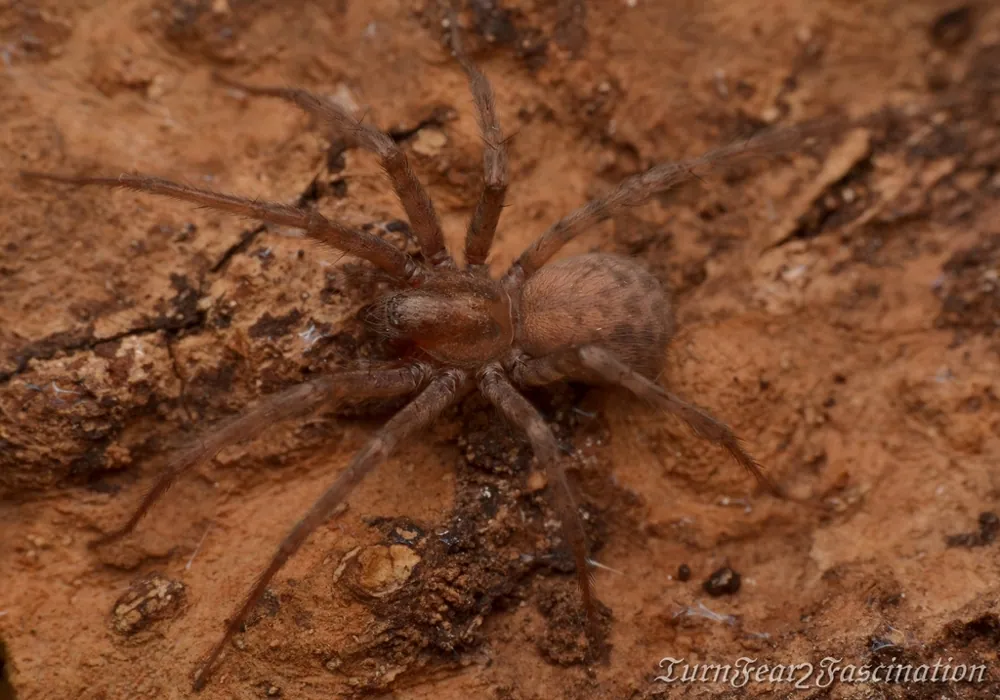
The barn funnel weaver is a spider that often shares homes with people. It builds funnel-shaped webs in corners of houses, sheds and cellars. It is shy and rarely bites.1

 Paano ito makikilala
- Adults are typically dark orange to brown or beige, sometimes greyish.1
- Its legs are striped.1
- It has two dull, black stripes running along the top of the front part of its body.1
- Its abdomen is mottled in brown, beige and grey, with a chevron pattern across the top, like an argyle pattern.1
- Females are about 7.5 to 11.5 mm long. Males are smaller, about 6 to 9 mm, with longer, more agile legs.1
Madalas mapagkamalang: It was once thought to be a close relative of the Giant House Spider. That spider has since been moved to the genus Eratigena and split into three distinct species.1
Lakas ng kamandag
Lumalabas ang kamandag sa pangil o ngipin nito kapag nangangagat ito.
Gaano ito kapanganib sa tao?
Panganib sa tao: BanayadParang kagat ng bubuyog o mas mahina. Halos hindi nakapipinsala sa tao.Spiders of the genus Tegenaria rarely bite. A bite only happens in self-defence, and it is unlikely to break the skin.1
Ano ang ginagawa nito kapag natatakot?
When its web is undisturbed, it retreats to the tip of the funnel and stops responding to movement. If the web is damaged, it tries to flee or curls its body into a ball against a wall or nearby object.1
 Kung kumagat ito
- Hugasan ang kagat at lagyan ng ice pack para sa sakit. Kumuha ng tulong medikal kung matindi ang sakit, kumakalat, o masama ang pakiramdam ng tao.
Laging tawagan muna ang numero pang-emergency (112, 000, 911). Ito ay pangkalahatang gabay sa pangunang lunas, hindi payong medikal. Mga batayan ng pangunang lunas
 Mag-ingat
- Huwag kailanman hawakan, hulihin o asarin ang ligaw na hayop, kahit maliit, at kahit mukha itong tulog o patay.
- Bigyan ito ng espasyo. Kung makasalubong ka ng isa, manatiling kalmado, dahan-dahang umatras at hayaan itong umalis.
- Kung kagatin ka ng isa: manatiling kalmado, huwag gumalaw, tawagan ang numero pang-emergency (112, 000, 911) o pumunta agad sa ospital. Tandaan ang itsura nito, makakatulong ang litrato.
Hindi ka nito hinahabol. Ginagamit nito ang kamandag para manghuli ng pagkain o ipagtanggol ang sarili, at mas gusto pa nitong magtago. Higit pa tungkol sa pag-iingat
Gaano ito kalaki?
Gaano ito kahaba?
 sapat na maliit para umupo sa kuko mo
Gaano kalaki si Barn funnel weaver kumpara sa IYO?
Math lang sa browser mo. Walang sine-save o ipinapadala kahit saan.
Gaano ito kabilis?


Mga fact
In a cave between Greece and Albania, thousands of these spiders were found sharing a web over 100 square metres with another species, which is unusual for them.1
Some females living indoors in rarely disturbed places have reportedly lived for as long as seven years.1
Males usually die in autumn, soon after mating, and rarely live for more than a year.1
Its webs can become quite large if they are left undisturbed.1
Most of its eyes face forward, which helps it spot movement and focus on prey.1
Myth buster
Mito: This spider is aggressive and will attack people.
Totoo: It is not particularly aggressive and will often retreat when confronted.1
Saan galing ang mga fact
- Tegenaria domestica (Wikipedia (CC BY-SA 4.0))
- Tegenaria domestica (iNaturalist): mga pangalan at klasipikasyon.
- Venom Wiki: sarili naming tantiya ang antas ng panganib, karaniwang laki at hula sa bilis. Tingnan kung paano namin ito kinukuwenta: Paano namin sinusukat ang panganib.
Bawat fact sa pahinang ito ay may numerong tumuturo sa pinagmulan nito. Kung may mali kami, pasensya na, mahilig lang kami sa hayop, hindi kami science journal. Sabihin sa amin sa [email protected] at aayusin namin.
 Gutom ang alakdan! Ang Venom Wiki ay proyekto ng iisang tao: libre, walang ads at walang trackers. Nakatutulong ang maliit na tip para manatili itong online.Pakainin ang alakdan
Higit pa mula sa parehong grupo: Mga gagamba
 Mediterranean black widow
 Diving bell spider
 European yellow sac spider
 Noble false widow
 Tarantula wolf spider
 Daddy long-legs spider
Nakatira rin sa: Europa
 Common European adderMga viper at adderKailangan ng doktor
 Spanish flyIba pang nakalalasong hayopKailangan ng doktorHuwag hawakan
 Common waspMga bubuyog, putakti at hornetMasakit lang
 European hornetMga bubuyog, putakti at hornetMasakit lang
 Fire salamanderMga poison frog, palaka at newtMasakit langHuwag hawakan
 Western honey beeMga bubuyog, putakti at hornetMasakit lang