
 Aprika
 Asya
Asya Europa
 Timog Amerika
 Australia at Oceania
 Antarctica
 Karagatang Pasipiko
 Karagatang Atlantiko
 Karagatang Indiyano
 Karagatang Artiko
 Dagat Mediteraneo
 Dagat Pula
 Dagat Caribe
 Dagat Coral
 Dagat Timog Tsina
 Dagat Pilipinas
 Dagat Andaman
 Dagat Hilaga
 Dagat Timor at Arafura
 Look ng Bengal
 Golpo ng California
Japanese yellow hornet
 Mga tusok
The yellow hornet, Vespa simillima, is a common hornet across much of the Eastern Hemisphere. It is known as the Japanese hornet or Japanese yellow hornet in its yellow colour form. Its nests are some of the largest of any Vespa hornet in Japan.1



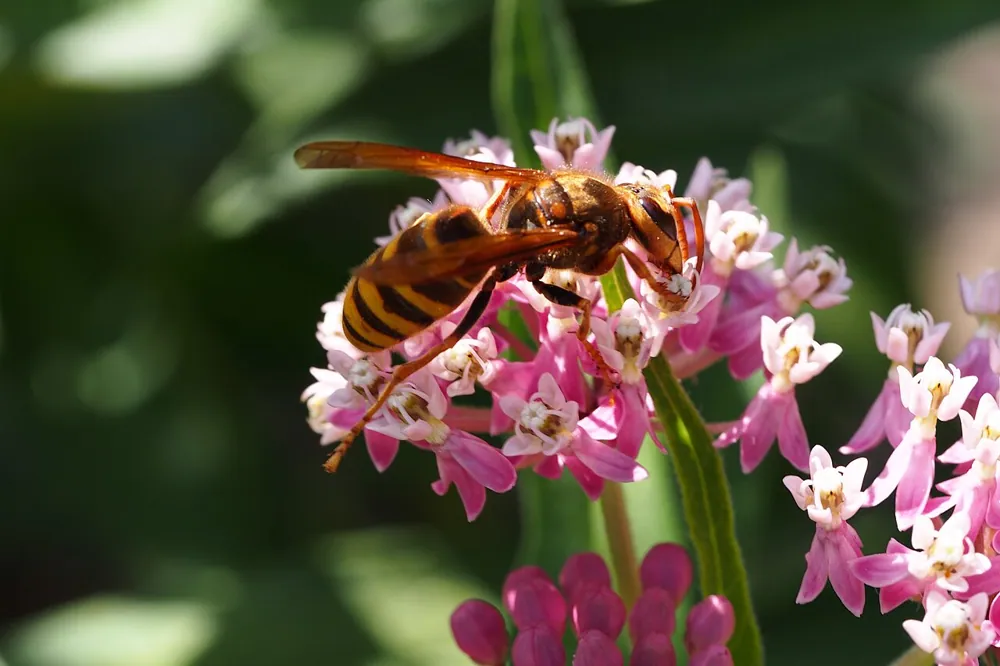
 Paano ito makikilala
- The yellow colour form is the one most often seen in Japan.1
- The typical mainland colour form is darker and hairier than the yellow form.1
- Colonies can be very large, with nests commonly holding 1,000 to over 10,000 cells.1
Madalas mapagkamalang: This hornet should not be confused with the Asian giant hornet (Vespa mandarinia), which has a colour form sometimes called the Japanese giant hornet.1
Lakas ng kamandag
Lumalabas ang kamandag sa pamamagitan ng pantusok.
Gaano ito kapanganib sa tao?
Panganib sa tao: MasakitTalagang masakit, pero halos hindi kailanman malala. Kung tumusok ito
- Kayurin palabas ang naiwang pantusok ng bubuyog at palamigin ang lugar.
- Kung nahihirapang huminga ang tao, namamaga ang mukha o lalamunan, o parang hihimatayin, ito ay emergency sa allergy: tawagan ang numero pang-emergency at gamitin ang adrenaline pen niya kung mayroon siya.
Laging tawagan muna ang numero pang-emergency (112, 000, 911). Ito ay pangkalahatang gabay sa pangunang lunas, hindi payong medikal. Mga batayan ng pangunang lunas
 Mag-ingat
- Huwag kailanman hawakan, hulihin o asarin ang ligaw na hayop, kahit maliit, at kahit mukha itong tulog o patay.
- Bigyan ito ng espasyo. Kung makasalubong ka ng isa, manatiling kalmado, dahan-dahang umatras at hayaan itong umalis.
- Kung tusukin ka ng isa: manatiling kalmado, huwag gumalaw, tawagan ang numero pang-emergency (112, 000, 911) o pumunta agad sa ospital. Tandaan ang itsura nito, makakatulong ang litrato.
Hindi ka nito hinahabol. Ginagamit nito ang kamandag para manghuli ng pagkain o ipagtanggol ang sarili, at mas gusto pa nitong magtago. Higit pa tungkol sa pag-iingat
Gaano ito kalaki?
Gaano ito kahaba?
 halos kasinghaba ng paper clip
 kayang lumipad sa buong football field sa loob ng 13 segundo
Gaano kalaki si Japanese yellow hornet kumpara sa IYO?
Math lang sa browser mo. Walang sine-save o ipinapadala kahit saan.
Gaano ito kabilis?


Mga fact
Asian giant hornets sometimes raid yellow hornet nests, killing workers and carrying the larvae and pupae back to their own nest as food.1
Black hornet queens sometimes attack yellow hornet nests, take them over and use the original workers to raise their own young.1
Colonies are started by one queen, who does every task at first, including laying eggs, hunting and building the nest.1
Nests can be moved to a new site in the middle of the nesting period, which is unusual for Vespa hornets.1
Adult workers live for an average of 12.9 days, and their death rate rises once they start foraging outside the nest.1
Myth buster
Mito: The Japanese yellow hornet is the same as the Asian giant hornet.
Totoo: The two are different species. The yellow hornet is Vespa simillima, and the Asian giant hornet is Vespa mandarinia.1
Para sa mga eksperto sa kamandag
Saan galing ang mga fact
- Vespa simillima (Wikipedia (CC BY-SA 4.0))
- Vespa simillima (iNaturalist): mga pangalan at klasipikasyon.
- Venom Wiki: sarili naming tantiya ang antas ng panganib, karaniwang laki at hula sa bilis. Tingnan kung paano namin ito kinukuwenta: Paano namin sinusukat ang panganib.
Bawat fact sa pahinang ito ay may numerong tumuturo sa pinagmulan nito. Kung may mali kami, pasensya na, mahilig lang kami sa hayop, hindi kami science journal. Sabihin sa amin sa [email protected] at aayusin namin.
 Gutom ang alakdan! Ang Venom Wiki ay proyekto ng iisang tao: libre, walang ads at walang trackers. Nakatutulong ang maliit na tip para manatili itong online.Pakainin ang alakdan
Higit pa mula sa parehong grupo: Mga bubuyog, putakti at hornet
 Asian giant hornetMga bubuyog, putakti at hornetPuwedeng pumatay
 Common waspMga bubuyog, putakti at hornetMasakit lang
 European hornetMga bubuyog, putakti at hornetMasakit lang
 Western honey beeMga bubuyog, putakti at hornetMasakit lang
 Giant honey beeMga bubuyog, putakti at hornetKailangan ng doktor
 Asian hornetMga bubuyog, putakti at hornetMasakit lang
 Alakdang deathstalker
 Kobrang Indiyano
 Indian saw-scaled viper
 King cobra
 Puff adder
 Ulupong ni Russell
.jpg)