
 Afrika
 Osiyo
Osiyo Yevropa
 Janubiy Amerika
 Avstraliya va Okeaniya
 Antarktida
 Tinch okeani
 Atlantika okeani
 Hind okeani
 Shimoliy Muz okeani
 Oʻrta yer dengizi
 Qizil dengiz
 Karib dengizi
 Marjon dengizi
 Janubiy Xitoy dengizi
 Filippin dengizi
 Andaman dengizi
 Shimoliy dengiz
 Timor va Arafura dengizi
 Bengal koʻrfazi
 Kaliforniya koʻrfazi
Western diamondback rattlesnake
 Chaqadi
The western diamondback rattlesnake is a large, venomous pit viper that lives in the southwestern United States and the northern half of Mexico. It is thought to cause most snakebite deaths in northern Mexico and more snakebites in the United States than any other snake. Its diamond-shaped back markings and loud rattle make it easier to recognise, but it should always be given plenty of space.1



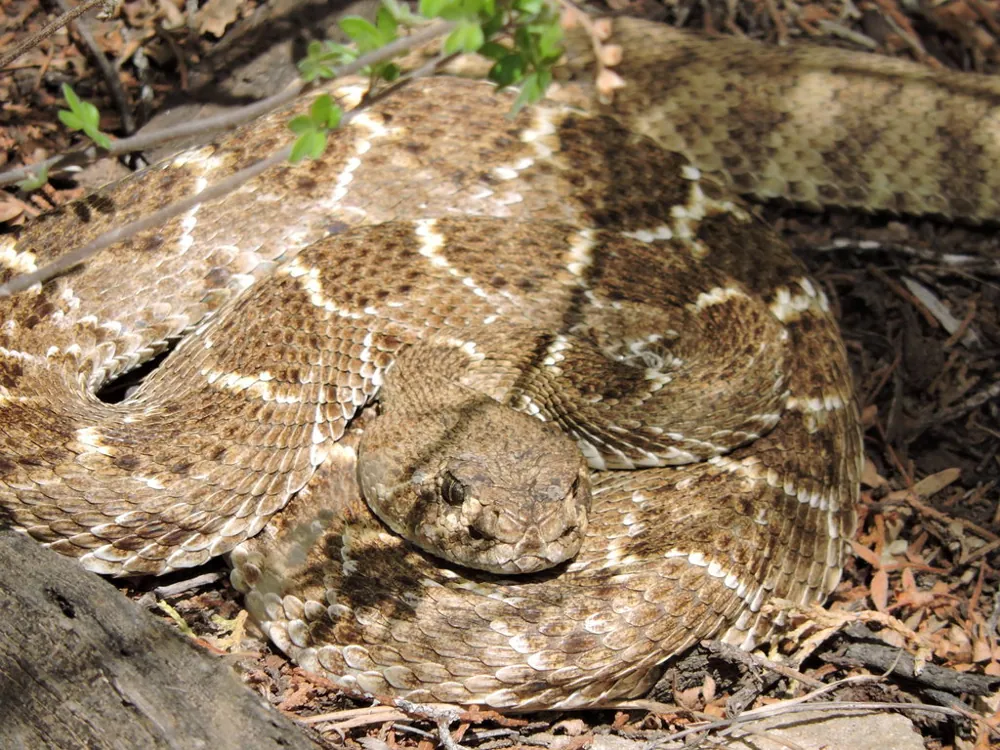
 Uni qanday tanish mumkin
- Usually khaki in colour, though it may also be pinkish, brick red, yellowish blonde or white.1
- A row of 23 to 45 brown or dark umber blotches runs along the back, becoming diamond-shaped towards the middle of the body.1
- The tail has two to eight black bands, usually four to six, separated by white or grey.1
- A grey or umber stripe runs diagonally from the eye across the side of the head, usually edged below by a white stripe.1
Koʻpincha adashtiriladi: The Mojave rattlesnake also has banded tail rings, but its black rings are narrow compared with the pale ones. The timber rattlesnake has no tail rings, and the black-tailed rattlesnake has a uniform black tail or indistinct rings.1
Zahar quvvati
Chaqqanda zahar zaharli tishlari yoki tishlari orqali chiqadi.
Uning zahari (chaqsa yoki nish ursa) nima qiladi?
Its venom is mainly hemotoxic, which means it mainly damages blood vessels, blood cells and the heart. It contains enzymes that break down tissue, along with cytotoxins and myotoxins that destroy cells and muscle. Local effects include pain, heavy internal bleeding, severe swelling, muscle damage, bruising, blistering and tissue death, and general effects may include headache, nausea and vomiting.1
Odamlar uchun qanchalik xavfli?
Odamlar uchun xavf: Juda xavfliDavolanmagan odamni oʻldirishi mumkin.It is thought to be responsible for most snakebite deaths in northern Mexico and for the greatest number of snakebites in the United States. It can deliver a large amount of venom in one bite.1
Qoʻrqqanda nima qiladi?
When threatened it usually coils and rattles to warn off attackers, and it is unusually willing to stand its ground. If rattling does not work, it will strike.1
 Agar chaqsa
- Odamni qimirlamay va xotirjam tut, chaqilgan qoʻl yoki oyoqni yurak balandligida ushla, uzuk va siquvchi narsalarni yechib ol va tezda kasalxonaga olib bor.
Har doim avval favqulodda yordam raqamiga qoʻngʻiroq qil (112, 000, 911). Bu birinchi yordam boʻyicha umumiy maslahat, tibbiy maslahat emas. Birinchi yordam asoslari
 Xavfsiz boʻl
- Hech qachon yovvoyi hayvonga tegma, uni tutma yoki jigʻiga tegma, hatto kichkina boʻlsa ham va hatto uxlayotgan yoki oʻlik koʻrinsa ham.
- Unga joy ber. Agar duch kelsang, xotirjam boʻl, sekin orqaga chekin va uni oʻz yoʻliga ketishiga qoʻy.
- Agar biri seni chaqsa: xotirjam boʻl, qimirlamay tur, favqulodda yordam raqamiga qoʻngʻiroq qil (112, 000, 911) yoki tezda kasalxonaga yet. U qanday koʻrinishda ekanini eslab qol, surat yordam beradi.
U seni ovlamoqchi emas. Zaharini ovqat tutish yoki oʻzini himoya qilish uchun ishlatadi va yashirinishni ancha afzal koʻradi. Xavfsiz qolish haqida batafsil
Dunyoning qayerida?
U qanchalik katta?
U qanchalik uzun?
U qanchalik ogʻir?
 burnidan dumigacha tizilgan 4 ta uy mushugidek uzun
 ketma-ket qoʻyilgan 12 ta banandek uzuntaxminan uy mushugiday ogʻir
 100 metrni 92 soniyada bosib oʻtishi mumkin (eng tez odamga 9,6 soniya kerak)
Western diamondback rattlesnake SEN bilan solishtirganda qanchalik katta?
Faqat brauzeringdagi hisob-kitob. Hech narsa saqlanmaydi va hech qayerga yuborilmaydi.
U qanchalik tez?


Faktlar
It can go up to two years without food in the wild. In a starvation study, snakes cut their energy use by an average of 80% and still grew, as they put resources into muscle and bone.1
A juvenile was once found dead after trying to swallow a horned lizard, whose horns punctured its gullet.1
It is likely the second largest rattlesnake species, behind only its close relative the eastern diamondback rattlesnake.1
It is one of the few snake species that scavenges for food.1
Among rattlesnakes, it may be the most adaptable to towns and suburbs, and it thrives deep within developed areas.1
It is an important predator of small rodents, rabbits and birds, and it is itself eaten by coyotes, foxes, hawks and owls.1
Faktlar qayerdan olingan
- Western diamondback rattlesnake (Wikipedia (CC BY-SA 4.0))
- Crotalus atrox (iNaturalist): nomlar va tasnif.
- Venom Wiki: xavf darajasi, odatiy oʻlcham va taxminiy tezlik bizning oʻz baholarimiz. Ularni qanday hisoblashimizni koʻr: Xavfni qanday baholaymiz.
Bu sahifadagi har bir faktning manbasiga ishora qiluvchi raqami bor. Agar biror narsani xato yozgan boʻlsak, kechir, biz hayvon ixlosmandlarimiz, ilmiy jurnal emas. [email protected] manziliga yoz, tuzatamiz.
 Chayon och! Venom Wiki bir kishining loyihasi: bepul, reklamasiz va kuzatuvchilarsiz. Kichik xayriya uni internetda saqlab qolishga yordam beradi.Chayonni boq
Shu guruhdan yana: Shaqildoq ilonlar
 Eastern diamondback rattlesnakeShaqildoq ilonlarOʻldirishi mumkin
 Timber rattlesnakeShaqildoq ilonlarOʻldirishi mumkin
 SidewinderShaqildoq ilonlarShifokor kerak
 Mojave rattlesnakeShaqildoq ilonlarOʻldirishi mumkin
 Aruba rattlesnakeShaqildoq ilonlarShifokor kerak
 Black-tailed rattlesnakeShaqildoq ilonlarShifokor kerak
 Terciopelo
 Eastern coral snake
 Eyelash viper
 Arizona bark scorpion
 Brown recluse
 Cane toad