
 Châu Phi
 Châu Á
 Châu Âu
 Nam Mỹ
 Úc và châu Đại Dương
 Châu Nam Cực
 Thái Bình Dương
 Đại Tây Dương
 Ấn Độ Dương
 Bắc Băng Dương
 Địa Trung Hải
 Biển Đỏ
 Biển Caribe
 Biển San Hô
 Biển Đông
 Biển Philippines
 Biển Andaman
 Biển Bắc
 Biển Timor và Arafura
 Vịnh Bengal
 Vịnh California
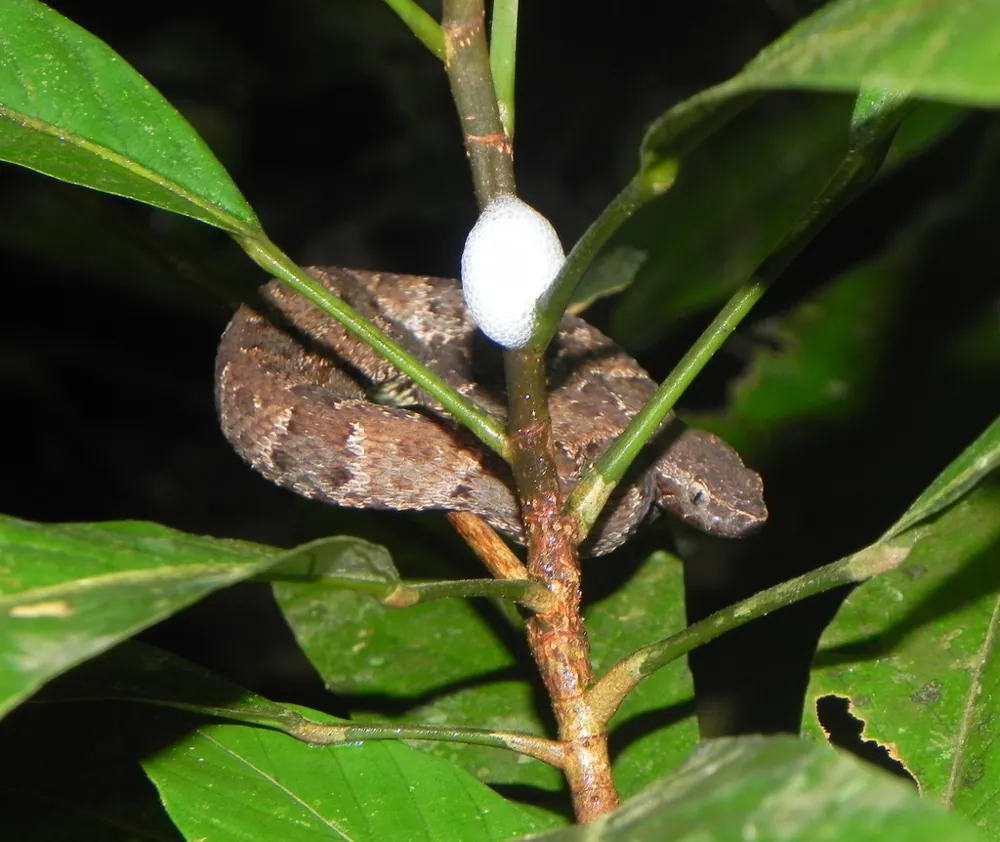
Common lancehead
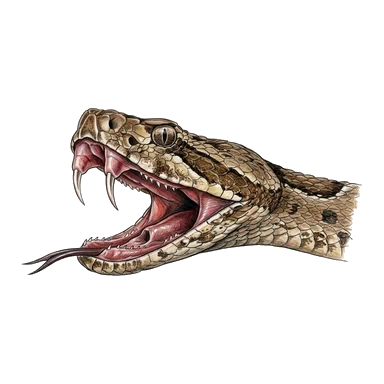 Vết cắn
The common lancehead is a highly venomous pit viper that lives in the tropical lowlands of northern South America and on the Caribbean island of Trinidad. It is one of the most common pit vipers in its range and is not endangered. Its venom disrupts blood clotting, which makes its bite especially serious.1
 Cách nhận biết
- Ground colour is olive, brown, tan, grey or yellow, and rarely rusty.1
- The body pattern is a series of blotches that often fuse into bands. The markings are X-like, which is why some local names refer to the letter X.1
- The chin is pale yellow, and a dark stripe runs from behind the eye to the corner of the mouth.1
- The irises are gold or bronze, and the tongue is black.1
- Adults usually measure 75 to 125 cm in total length and are moderately heavy-bodied.1
Hay bị nhầm với: It is often confused with Bothrops asper, which was once included in this species. Most authorities now consider B. asper to be a separate species. This confusion also makes reports of its maximum size unclear.1
Sức mạnh nọc độc
Nọc độc thoát ra qua răng nanh hoặc răng khi nó cắn.
Nọc độc của nó gây ra gì?
Its venom is haemorrhagic, meaning it damages the lining of blood vessels and uses up the substances that allow blood to clot. Symptoms can include severe bleeding, kidney failure, abnormal clotting, blisters and necrosis (death of body tissue). Bleeding in the brain can also occur. Recovery from the clotting problem has been seen 14 to 30 hours after a bite.1
Nó nguy hiểm thế nào với con người?
Nguy hiểm với con người: Chết ngườiMột trong những loài động vật nguy hiểm nhất thế giới.The bite is serious and can be fatal. Plantation workers are often bitten. Juvenile snakes have more lethal venom that kills more quickly, and people bitten by young snakes are more likely to develop the clotting problem. In a case reported in the Brazilian Amazon, the patient died of a stroke even after antivenom was given. A Mexican polyvalent antivenom tested against it had no effect on the clotting problem.1
Nó làm gì khi sợ?
It is easily agitated, and it can lie camouflaged for hours, nearly undetectable, then strike at high speed.1
 If it bites
- Giữ người bị nạn nằm yên và bình tĩnh, để chi bị cắn ngang tầm tim, tháo nhẫn và đồ bó chặt, và đến bệnh viện thật nhanh.
Luôn gọi số khẩn cấp trước tiên (112, 000, 911). Đây là hướng dẫn sơ cứu chung, không phải lời khuyên y tế. Sơ cứu cơ bản
 Giữ an toàn
- Đừng bao giờ chạm, bắt hay trêu chọc động vật hoang dã, dù nó nhỏ, và dù trông như đang ngủ hay đã chết.
- Chừa khoảng cách cho nó. Nếu gặp, hãy bình tĩnh, lùi lại từ từ và để nó đi.
- If one bites you: stay calm, keep still, call your emergency number (112, 000, 911) or get to a hospital fast. Remember what it looked like, a photo helps.
Nó không nhắm vào bạn. Nó dùng nọc để bắt mồi hoặc tự vệ, và nó thích trốn hơn nhiều. Thêm về cách giữ an toàn
Nó to cỡ nào?
Nó dài bao nhiêu?
 dài bằng 3 con mèo nhà nối từ mũi đến đuôi
 dài bằng 9 quả chuối nối đuôi nhau
 có thể chạy 100 mét trong 92 giây (người nhanh nhất cần 9,6)
Common lancehead to cỡ nào so với BẠN?
Chỉ là phép tính trong trình duyệt của bạn. Không có gì được lưu hay gửi đi đâu cả.
Nó nhanh cỡ nào?


Thông tin
An enzyme called reptilase, or batroxobin, is taken from its venom and used in modern medical laboratories to measure fibrinogen levels and blood clotting. The enzyme is not affected by heparin.1
Although it is mostly terrestrial, it is an excellent swimmer and will climb trees when needed to reach prey.1
Females with developing embryos move in and out of sunlight to keep themselves and the embryos at a constant temperature.1
Venom yield averages 124 milligrams, but can reach 342 milligrams.1
Despite the large-scale destruction of rainforests, it is among the most numerous and common of pit vipers.1
Cho chuyên gia về nọc độc
- Tên khoa học
- Bothrops atrox
- Nhóm
- Rắn lục hố
- Gia đình
- Viperidae2
- Thứ tự
- Squamata
- Các châu lục
- Nam Mỹ
- Con non
- It gives birth to live young, up to 80 at once, with an average of about 60 per litter in equatorial regions after a gestation of three to four months.1
- Tình trạng trong tự nhiên
- Not endangered1
- Nguy hiểm với con người
- 5 / 5: Chết người3
Thông tin lấy từ đâu
- Bothrops atrox (Wikipedia (CC BY-SA 4.0))
- Bothrops atrox (iNaturalist): tên gọi và phân loại.
- Venom Wiki: mức nguy hiểm, kích thước điển hình và tốc độ ước đoán là của chúng tôi. Xem cách chúng tôi tính: Cách chúng tôi đánh giá nguy hiểm.
Mỗi thông tin trên trang này có một con số dẫn đến nguồn của nó. Nếu chúng tôi sai điều gì, xin lỗi nhé, chúng tôi là người mê động vật, không phải tạp chí khoa học. Hãy báo cho chúng tôi qua [email protected] và chúng tôi sẽ sửa.
 Bọ cạp đói rồi! Venom Wiki là dự án của một người: miễn phí, không quảng cáo, không theo dõi. Một chút tiền tip giúp trang tiếp tục hoạt động.Cho bọ cạp ăn
 Terciopelo
 Eyelash viper
 Golden lancehead
 South American bushmaster
 Jararaca
 Jararacussu
 Golden poison frog
 Brazilian wandering spider
 Cane toad
 Peruvian giant centipede
 Bullet ant
 Common vampire bat