
 Áfíríkà
 Éṣíà
Éṣíà Yúróòpù
 Gúúsù Amẹ́ríkà
 Ọsirélíà àti Òṣéáníà
 Antáktíkà
 Òkun Pàsífíìkì
 Òkun Àtìláńtíìkì
 Òkun Íńdíà
 Òkun Áktíkì
 Òkun Mẹditaréníà
 Òkun Pupa
 Òkun Káríbíànù
 Òkun Coral
 Òkun Gúúsù Ṣáínà
 Òkun Fílípínì
 Òkun Andaman
 Òkun Àríwá
 Òkun Tímọ̀ àti Òkun Àráfúrà
 Ìyawọlẹ̀ Òkun Bẹ̀ngál
 Ìyawọlẹ̀ Òkun Kalifọ́níà
Black imported fire ant
 Ìtani
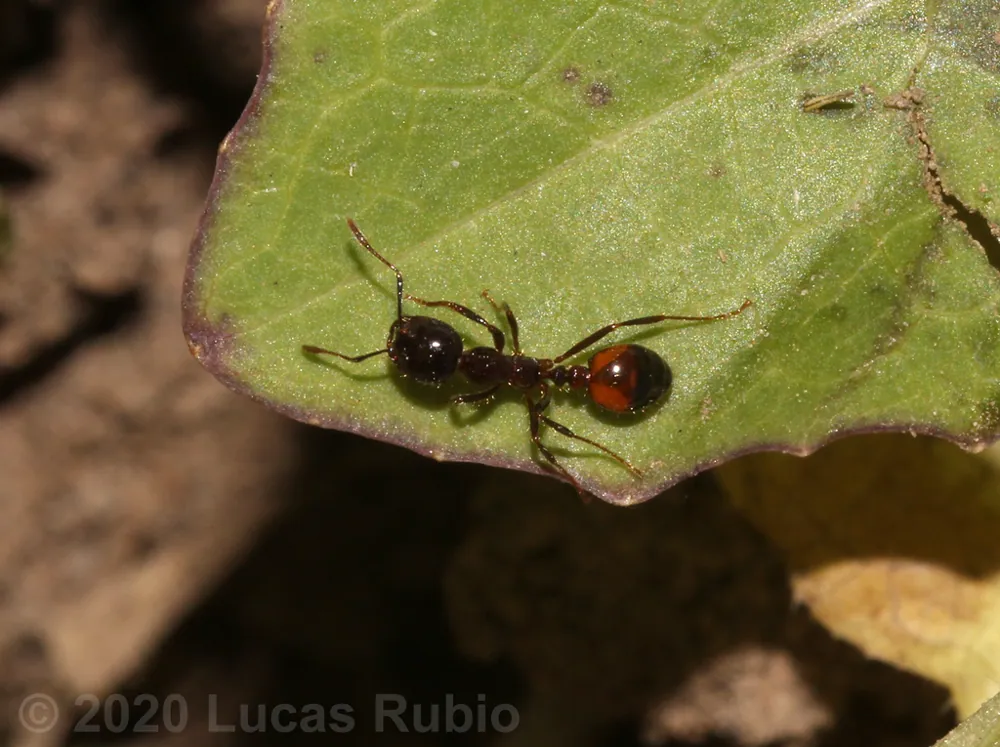
ÌtaniThe black imported fire ant is a species of ant that is often called BIFA for short. It is native to South America but has spread to North America, where it has been found in several southern and south-eastern US states. Its sting can cause a red, swollen reaction, so it is useful to know it when you see one.1
 Bí o ṣe lè dá a mọ̀
- Black in colour, as its name says.1
- Its sting leaves a sterile pustule (a small blister with no germs in it), surrounded by a red swelling.1
A sábà máa ń ṣì í mọ̀ sí: It was once thought to be a colour variety of the red imported fire ant (RIFA). It is now known to be a separate species with a different range and different living habits.1
Agbára oró
Oró ń jáde láti inú ohun ìtani.
Kí ni oró rẹ̀ máa ń ṣe?
Stings cause a sterile pustule surrounded by a raised, reddened swelling (wheal), with redness spreading beyond it (flare). The venom of this species may cause a more pronounced wheal and flare than the red imported fire ant.1
Báwo ló ṣe léwu tó fún ènìyàn?
Ewu fún ènìyàn: Ó ń dunniÓ lè dunni gan-an, ṣùgbọ́n kì í fẹ́rẹ̀ẹ́ le rárá.How strong the reaction is depends on how many allergic (IgE) antibodies a person has already formed. People who have already built up these antibodies may react more strongly.1
 Bí ó bá ta ni
- Fọ ibi tí ó ti ta ni, kí o sì tù ú.
- Bí ẹni náà bá ń mí pẹ̀lú ìṣòro, tí ojú tàbí ọ̀fun rẹ̀ wú, tàbí tí ó ń fẹ́ dákú, pàjáwìrì àléjì ni: pe nọ́ńbà pàjáwìrì rẹ.
Máa kọ́kọ́ pe nọ́ńbà pàjáwìrì rẹ nígbà gbogbo (112, 000, 911). Èyí jẹ́ ìtọ́sọ́nà ìtọ́jú àkọ́kọ́ gbogbogbò, kì í ṣe ìmọ̀ràn ìṣègùn. Ìpìlẹ̀ ìtọ́jú àkọ́kọ́
 Wà láìléwu
- Má ṣe fọwọ́ kan, mú tàbí yọ ẹranko igbó lẹ́nu láéláé, kódà bí ó bá kéré, kódà bí ó bá dà bí ẹni pé ó ń sùn tàbí ó ti kú.
- Fún un ní àyè. Bí o bá pàdé ọ̀kan, farabalẹ̀, sẹ́yìn díẹ̀díẹ̀ kí o sì jẹ́ kí ó máa bá ọ̀nà rẹ̀ lọ.
- Bí ọ̀kan bá ta ọ́: farabalẹ̀, má ṣe mira, pe nọ́ńbà pàjáwìrì rẹ (112, 000, 911) tàbí lọ sí ilé ìwòsàn kíákíá. Rántí bí ó ṣe rí, fọ́tò máa ń ṣèrànwọ́.
Kò wá ọ kiri láti ṣe ọ́ léṣe. Ó ń lo oró rẹ̀ láti mú oúnjẹ tàbí láti dáàbò bo ara rẹ̀, ó sì fẹ́ràn láti farapamọ́ jù. Sí i nípa wíwà láìléwu
Báwo ló ṣe tóbi tó?
Báwo ló ṣe gùn tó?
 ó kéré débi pé ó lè jókòó lórí èékánná rẹ
Báwo ni Black imported fire ant ṣe tóbi tó tí a bá fi wé ÌWỌ?
Ìṣirò nìkan nínú bráwúsà rẹ. A kò fi ohunkóhun pamọ́, a kò sì fi ránṣẹ́ sí ibikíbi.
Báwo ló ṣe yára tó?


Òtítọ́
Black imported fire ants appear to be more tolerant of cold than the red imported fire ant, and they are less dominant.1
Its body contains more water than the red imported fire ant, which may be linked to the different regions where the two species live.1
For a long time it was thought to be either a subspecies or a colour variation of the red imported fire ant, but it is now recognised as its own species.1
Olùfọ́ àròsọ
Àròsọ: It is just a black colour form of the red imported fire ant.
Òtítọ́: It is now recognised as a separate species, with a different range and living habits.1
Ibi tí àwọn òtítọ́ ti wá
- Black imported fire ant (Wikipedia (CC BY-SA 4.0))
- Solenopsis richteri (iNaturalist): orúkọ àti ìpínsísọ̀rí.
- Venom Wiki: ìpele ewu, ìtóbi déédé àti àfojúbù ìyára jẹ́ tiwa. Wo bí a ṣe ń ṣírò wọn: Bí a ṣe ń díwọ̀n ewu.
Gbogbo òtítọ́ ojú-ìwé yìí ní nọ́ńbà tó tọ́ka sí orísun rẹ̀. Bí a bá ṣe àṣìṣe, má bínú, olólùfẹ́ ẹranko ni wá, kì í ṣe ìwé ìròyìn sáyẹ́ǹsì. Sọ fún wa ní [email protected] a ó sì tún un ṣe.
 Ebi ń pa àkekèé! Iṣẹ́ akanṣe ẹnì kan ṣoṣo ni Venom Wiki: ọ̀fẹ́ ni, kò sí ìpolówó, kò sì sí olùtọpinpin. Ẹ̀bùn kékeré ń ràn án lọ́wọ́ láti wà lórí íńtánẹ́ẹ̀tì.Bọ́ àkekèé
 Bullet ant
 Red imported fire ant
 Army ant
 Giant Amazonian ant
 Trap-jaw ant
 Dinosaur ant of Brazil
 Golden poison frog
 Terciopelo
 Brazilian wandering spider
 Eyelash viper
 Golden lancehead
 South American bushmaster