
 Áfíríkà
 Éṣíà
Éṣíà Yúróòpù
 Gúúsù Amẹ́ríkà
 Ọsirélíà àti Òṣéáníà
 Antáktíkà
 Òkun Pàsífíìkì
 Òkun Àtìláńtíìkì
 Òkun Íńdíà
 Òkun Áktíkì
 Òkun Mẹditaréníà
 Òkun Pupa
 Òkun Káríbíànù
 Òkun Coral
 Òkun Gúúsù Ṣáínà
 Òkun Fílípínì
 Òkun Andaman
 Òkun Àríwá
 Òkun Tímọ̀ àti Òkun Àráfúrà
 Ìyawọlẹ̀ Òkun Bẹ̀ngál
 Ìyawọlẹ̀ Òkun Kalifọ́níà
Bobbit worm
 Ìbùjẹ
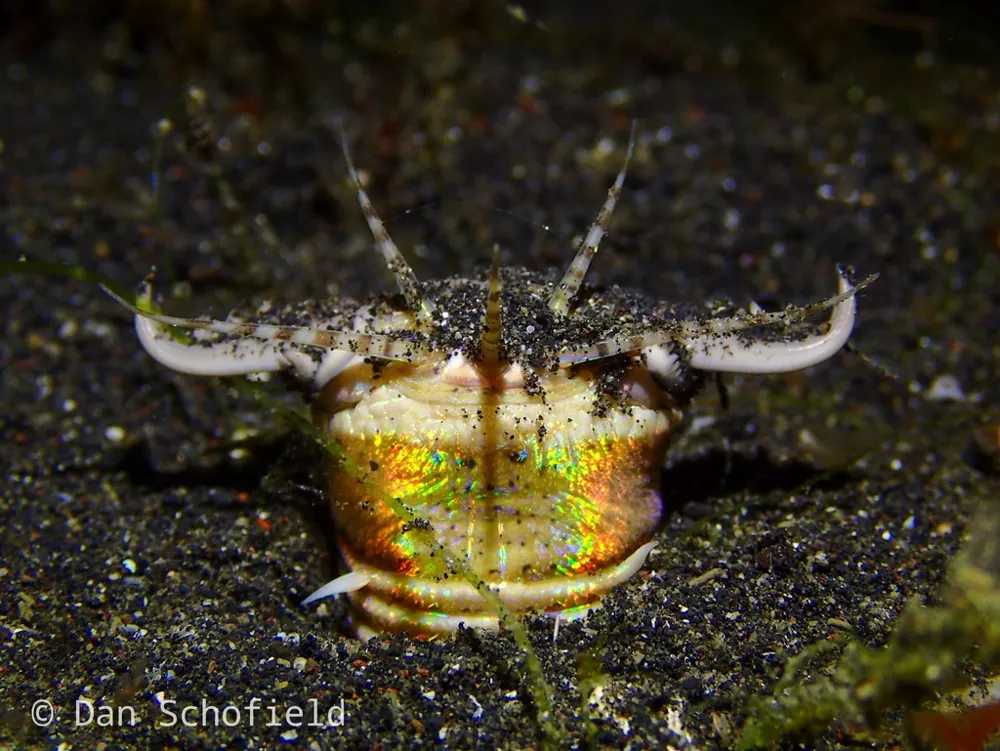
ÌbùjẹThe bobbit worm is a long, slim sea worm that hides in the sand or mud on the ocean floor. It waits with its whole body buried, then strikes passing fish and other prey with sharp jaws. It lives in warm seas, mainly in the Atlantic and the Indo-Pacific, and can grow to nearly 3 metres long.1
 Bí o ṣe lè dá a mọ̀
Agbára oró
Oró ń jáde láti inú eyín oró tàbí eyín rẹ̀ nígbà tí ó bá bùjẹ.
Báwo ló ṣe léwu tó fún ènìyàn?
Ewu fún ènìyàn: Ó ń dunniÓ lè dunni gan-an, ṣùgbọ́n kì í fẹ́rẹ̀ẹ́ le rárá. Bí ó bá bùjẹ
- Fi ọgbẹ́ náà sínú omi gbígbóná, tó gbóná tó bí ẹni náà ṣe lè fara dà á láìjóná, kí o sì wá ìrànlọ́wọ́ ìṣègùn láti yọ ẹ̀gún náà. Má ṣe gbẹ́ wọn jáde fúnra rẹ.
Máa kọ́kọ́ pe nọ́ńbà pàjáwìrì rẹ nígbà gbogbo (112, 000, 911). Èyí jẹ́ ìtọ́sọ́nà ìtọ́jú àkọ́kọ́ gbogbogbò, kì í ṣe ìmọ̀ràn ìṣègùn. Ìpìlẹ̀ ìtọ́jú àkọ́kọ́
 Wà láìléwu
- Má ṣe fọwọ́ kan, mú tàbí yọ ẹranko igbó lẹ́nu láéláé, kódà bí ó bá kéré, kódà bí ó bá dà bí ẹni pé ó ń sùn tàbí ó ti kú.
- Fún un ní àyè. Bí o bá pàdé ọ̀kan, farabalẹ̀, sẹ́yìn díẹ̀díẹ̀ kí o sì jẹ́ kí ó máa bá ọ̀nà rẹ̀ lọ.
- Bí ọ̀kan bá bù ọ́ jẹ: farabalẹ̀, má ṣe mira, pe nọ́ńbà pàjáwìrì rẹ (112, 000, 911) tàbí lọ sí ilé ìwòsàn kíákíá. Rántí bí ó ṣe rí, fọ́tò máa ń ṣèrànwọ́.
Kò wá ọ kiri láti ṣe ọ́ léṣe. Ó ń lo oró rẹ̀ láti mú oúnjẹ tàbí láti dáàbò bo ara rẹ̀, ó sì fẹ́ràn láti farapamọ́ jù. Sí i nípa wíwà láìléwu
Níbo ní ayé?
Báwo ló ṣe tóbi tó?
Báwo ló ṣe gùn tó?
 ó gùn tó ajá 3 láti imú dé ìrù
 ó gùn tó ọ̀gẹ̀dẹ̀ 17 tí a tò tẹ̀léra
Báwo ni Bobbit worm ṣe tóbi tó tí a bá fi wé ÌWỌ?
Ìṣirò nìkan nínú bráwúsà rẹ. A kò fi ohunkóhun pamọ́, a kò sì fi ránṣẹ́ sí ibikíbi.
Báwo ló ṣe yára tó?


Òtítọ́
It is the longest known member of the polychaete class of bristle worms, with the largest specimen on record reaching 299 cm.1
Some fish mob the worm by directing jets of water into its burrow to disorient it.1
It hunts by burrowing its whole body into soft sediment and waiting until its antennae detect prey.1
Fossil burrows from Miocene rocks in northeastern Taiwan, about 20 million years old, have been linked to this species.1
Despite its length, its body is only about 25.5 mm wide.1
Olùfọ́ àròsọ
Àròsọ: The worm can reproduce by splitting into several pieces.
Òtítọ́: There is no scientific evidence that it reproduces this way. Reports of this appear to come from misreading movement in dead or injured worms. It can regenerate its rear segments, but it reproduces sexually.1
Fún àwọn amòye oró
- Orúkọ sáyẹ́ǹsì
- Eunice aphroditois
- Ẹgbẹ́
- Sea urchin, ẹja ìràwọ̀ àti kòkòrò inú òkun
- Ìdílé
- Eunicidae2
- Ètò
- Eunicida
- Àwọn kọ́ńtínẹ́ńtì
- Òkun Pàsífíìkì, Òkun Íńdíà, Òkun Àtìláńtíìkì, Òkun Pupa, Òkun Mẹditaréníà, Òkun Káríbíànù, Òkun Tímọ̀ àti Òkun Àráfúrà, Àwọn òkun ńlá
- Àwọn ọmọ
- It releases sperm and eggs into the water, where fertilisation happens outside the body, and the young drift as larvae before settling and growing into juvenile worms.1
- Ewu fún ènìyàn
- 2 / 5: Ó ń dunni3
Ibi tí àwọn òtítọ́ ti wá
- Eunice aphroditois (Wikipedia (CC BY-SA 4.0))
- Eunice aphroditois (iNaturalist): orúkọ àti ìpínsísọ̀rí.
- Venom Wiki: ìpele ewu, ìtóbi déédé àti àfojúbù ìyára jẹ́ tiwa. Wo bí a ṣe ń ṣírò wọn: Bí a ṣe ń díwọ̀n ewu.
Gbogbo òtítọ́ ojú-ìwé yìí ní nọ́ńbà tó tọ́ka sí orísun rẹ̀. Bí a bá ṣe àṣìṣe, má bínú, olólùfẹ́ ẹranko ni wá, kì í ṣe ìwé ìròyìn sáyẹ́ǹsì. Sọ fún wa ní [email protected] a ó sì tún un ṣe.
 Ebi ń pa àkekèé! Iṣẹ́ akanṣe ẹnì kan ṣoṣo ni Venom Wiki: ọ̀fẹ́ ni, kò sí ìpolówó, kò sì sí olùtọpinpin. Ẹ̀bùn kékeré ń ràn án lọ́wọ́ láti wà lórí íńtánẹ́ẹ̀tì.Bọ́ àkekèé
Sí i láti inú ẹgbẹ́ kan náà: Sea urchin, ẹja ìràwọ̀ àti kòkòrò inú òkun
 Crown-of-thorns starfishSea urchin, ẹja ìràwọ̀ àti kòkòrò inú òkunÓ nílò dókítàMá ṣe fọwọ́ kàn án
 Flower urchinSea urchin, ẹja ìràwọ̀ àti kòkòrò inú òkunÓ lè pani
 Fire urchinSea urchin, ẹja ìràwọ̀ àti kòkòrò inú òkunÓ nílò dókítàMá ṣe fọwọ́ kàn án
 Bearded firewormSea urchin, ẹja ìràwọ̀ àti kòkòrò inú òkunÓ kàn ń dunniMá ṣe fọwọ́ kàn án
 Black long-spined urchinSea urchin, ẹja ìràwọ̀ àti kòkòrò inú òkunÓ kàn ń dunniMá ṣe fọwọ́ kàn án
 BloodwormSea urchin, ẹja ìràwọ̀ àti kòkòrò inú òkunÓ kàn ń dunni
Ó tún ń gbé ní: Òkun Pàsífíìkì
 Australian box jellyfishJellyfish àti àwọn ẹ̀dá òkun tó ń ta niApaniMá ṣe fọwọ́ kàn án
 Geography coneÌgbín cone àti octopusApani
 Greater blue-ringed octopusÌgbín cone àti octopusApani
 Japanese pufferfishÀwọn ẹranko onímájèlé mìírànApani
 Southern blue-ringed octopusÌgbín cone àti octopusApani
 Hawksbill sea turtleÀwọn ẹranko onímájèlé mìírànÓ lè pani