
 Áfíríkà
 Éṣíà
Éṣíà Yúróòpù
 Gúúsù Amẹ́ríkà
 Ọsirélíà àti Òṣéáníà
 Antáktíkà
 Òkun Pàsífíìkì
 Òkun Àtìláńtíìkì
 Òkun Íńdíà
 Òkun Áktíkì
 Òkun Mẹditaréníà
 Òkun Pupa
 Òkun Káríbíànù
 Òkun Coral
 Òkun Gúúsù Ṣáínà
 Òkun Fílípínì
 Òkun Andaman
 Òkun Àríwá
 Òkun Tímọ̀ àti Òkun Àráfúrà
 Ìyawọlẹ̀ Òkun Bẹ̀ngál
 Ìyawọlẹ̀ Òkun Kalifọ́níà
Bearded fireworm
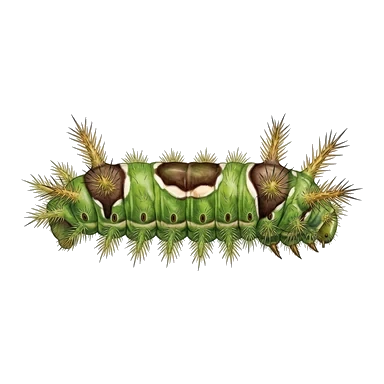 Irun tó ń ta ni
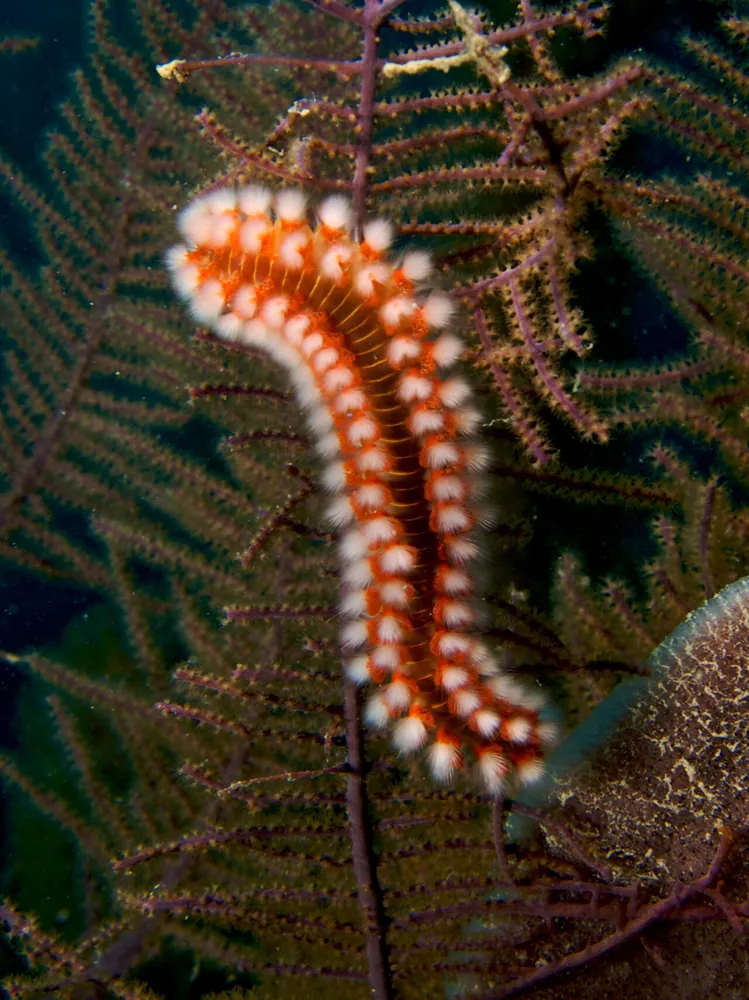
The bearded fireworm is a marine bristleworm, a soft-bodied sea creature with a row of stinging white bristles along each side. It lives in warm coastal waters of the tropical Atlantic Ocean and the Mediterranean Sea. Its bristles can sting people who touch it, so it is worth knowing what it looks like.1
 Bí o ṣe lè dá a mọ̀
- Elongated, flattened body that looks a little like a centipede1
- Colours range from greenish, yellowish and reddish to grey or white with a pearly glow1
- Body made of 60 to 150 identical segments, each separated by a thin white line1
- Clusters of white stinging bristles on each segment, with red or orange gills beside them1
- Small red or orange growths called caruncles on the first four segments at the front1
Agbára oró
Irun kékeré tàbí irun líle máa ń kán sínú awọ ara, wọ́n sì ń ta ni.
Kí ni oró rẹ̀ máa ń ṣe?
Its bristles inject a powerful neurotoxin, a poison that attacks the nerves, when they are flared against skin. This causes intense irritation and a painful burning sensation around the contact area. The sting can also cause nausea and dizziness.1
Báwo ló ṣe léwu tó fún ènìyàn?
Ewu fún ènìyàn: Ó ń dunniÓ lè dunni gan-an, ṣùgbọ́n kì í fẹ́rẹ̀ẹ́ le rárá.It is not considered a threat to humans unless touched by unsuspecting swimmers. The burning sensation lasts up to a few hours, although a painful tingling may remain around the area of contact.1
 Bí o bá fọwọ́ kan irun rẹ̀
- Use adhesive tape to press onto the area and then remove it, which can help pull out the spines. Applying isopropanol (rubbing alcohol) to the area may help ease the pain.1
- Fi ọgbẹ́ náà sínú omi gbígbóná, tó gbóná tó bí ẹni náà ṣe lè fara dà á láìjóná, kí o sì wá ìrànlọ́wọ́ ìṣègùn láti yọ ẹ̀gún náà. Má ṣe gbẹ́ wọn jáde fúnra rẹ.
Máa kọ́kọ́ pe nọ́ńbà pàjáwìrì rẹ nígbà gbogbo (112, 000, 911). Èyí jẹ́ ìtọ́sọ́nà ìtọ́jú àkọ́kọ́ gbogbogbò, kì í ṣe ìmọ̀ràn ìṣègùn. Ìpìlẹ̀ ìtọ́jú àkọ́kọ́
 Wà láìléwu
- Má ṣe fọwọ́ kan, mú tàbí yọ ẹranko igbó lẹ́nu láéláé, kódà bí ó bá kéré, kódà bí ó bá dà bí ẹni pé ó ń sùn tàbí ó ti kú.
- Fún un ní àyè. Bí o bá pàdé ọ̀kan, farabalẹ̀, sẹ́yìn díẹ̀díẹ̀ kí o sì jẹ́ kí ó máa bá ọ̀nà rẹ̀ lọ.
- Bí o bá fọwọ́ kan irun rẹ̀: farabalẹ̀, má ṣe mira, pe nọ́ńbà pàjáwìrì rẹ (112, 000, 911) tàbí lọ sí ilé ìwòsàn kíákíá. Rántí bí ó ṣe rí, fọ́tò máa ń ṣèrànwọ́.
Kò wá ọ kiri láti ṣe ọ́ léṣe. Ó ń lo oró rẹ̀ láti mú oúnjẹ tàbí láti dáàbò bo ara rẹ̀, ó sì fẹ́ràn láti farapamọ́ jù. Sí i nípa wíwà láìléwu
Níbo ní ayé?
Báwo ló ṣe tóbi tó?
Báwo ló ṣe gùn tó?
 ó gùn tó bíríkì ìṣeré 9 tí a tò sí ìlà kan
Báwo ni Bearded fireworm ṣe tóbi tó tí a bá fi wé ÌWỌ?
Ìṣirò nìkan nínú bráwúsà rẹ. A kò fi ohunkóhun pamọ́, a kò sì fi ránṣẹ́ sí ibikíbi.
Báwo ló ṣe yára tó?


.jpg)
Òtítọ́
Ibi tí àwọn òtítọ́ ti wá
- Hermodice carunculata (Wikipedia (CC BY-SA 4.0))
- Hermodice carunculata (iNaturalist): orúkọ àti ìpínsísọ̀rí.
- Venom Wiki: ìpele ewu, ìtóbi déédé àti àfojúbù ìyára jẹ́ tiwa. Wo bí a ṣe ń ṣírò wọn: Bí a ṣe ń díwọ̀n ewu.
Gbogbo òtítọ́ ojú-ìwé yìí ní nọ́ńbà tó tọ́ka sí orísun rẹ̀. Bí a bá ṣe àṣìṣe, má bínú, olólùfẹ́ ẹranko ni wá, kì í ṣe ìwé ìròyìn sáyẹ́ǹsì. Sọ fún wa ní [email protected] a ó sì tún un ṣe.
 Ebi ń pa àkekèé! Iṣẹ́ akanṣe ẹnì kan ṣoṣo ni Venom Wiki: ọ̀fẹ́ ni, kò sí ìpolówó, kò sì sí olùtọpinpin. Ẹ̀bùn kékeré ń ràn án lọ́wọ́ láti wà lórí íńtánẹ́ẹ̀tì.Bọ́ àkekèé
Sí i láti inú ẹgbẹ́ kan náà: Sea urchin, ẹja ìràwọ̀ àti kòkòrò inú òkun
 Crown-of-thorns starfishSea urchin, ẹja ìràwọ̀ àti kòkòrò inú òkunÓ nílò dókítàMá ṣe fọwọ́ kàn án
 Flower urchinSea urchin, ẹja ìràwọ̀ àti kòkòrò inú òkunÓ lè pani
 Fire urchinSea urchin, ẹja ìràwọ̀ àti kòkòrò inú òkunÓ nílò dókítàMá ṣe fọwọ́ kàn án
 Black long-spined urchinSea urchin, ẹja ìràwọ̀ àti kòkòrò inú òkunÓ kàn ń dunniMá ṣe fọwọ́ kàn án
 BloodwormSea urchin, ẹja ìràwọ̀ àti kòkòrò inú òkunÓ kàn ń dunni
 Bobbit wormSea urchin, ẹja ìràwọ̀ àti kòkòrò inú òkunÓ kàn ń dunni
Ó tún ń gbé ní: Òkun Àtìláńtíìkì
 Hawksbill sea turtleÀwọn ẹranko onímájèlé mìírànÓ lè pani
 Portuguese man o' warJellyfish àti àwọn ẹ̀dá òkun tó ń ta niÓ nílò dókítàMá ṣe fọwọ́ kàn án
 Blue sea dragonÌgbín cone àti octopusÓ kàn ń dunni
 Greenland sharkÀwọn ẹranko onímájèlé mìírànÓ kàn ń dunni
 Lion's mane jellyfishJellyfish àti àwọn ẹ̀dá òkun tó ń ta niÓ kàn ń dunniMá ṣe fọwọ́ kàn án
 Common octopusÌgbín cone àti octopusAláìléwu