
 Áfíríkà
 Éṣíà
Éṣíà Yúróòpù
 Gúúsù Amẹ́ríkà
 Ọsirélíà àti Òṣéáníà
 Antáktíkà
 Òkun Pàsífíìkì
 Òkun Àtìláńtíìkì
 Òkun Íńdíà
 Òkun Áktíkì
 Òkun Mẹditaréníà
 Òkun Pupa
 Òkun Káríbíànù
 Òkun Coral
 Òkun Gúúsù Ṣáínà
 Òkun Fílípínì
 Òkun Andaman
 Òkun Àríwá
 Òkun Tímọ̀ àti Òkun Àráfúrà
 Ìyawọlẹ̀ Òkun Bẹ̀ngál
 Ìyawọlẹ̀ Òkun Kalifọ́níà
Central American wandering spider
 Ìbùjẹ
ÌbùjẹThe Central American wandering spider is a large, ground-living spider. It is found in parts of Central and northern South America, including Costa Rica, Panama and Colombia. It matters because its bites have been recorded in people, and a few have caused serious effects.1


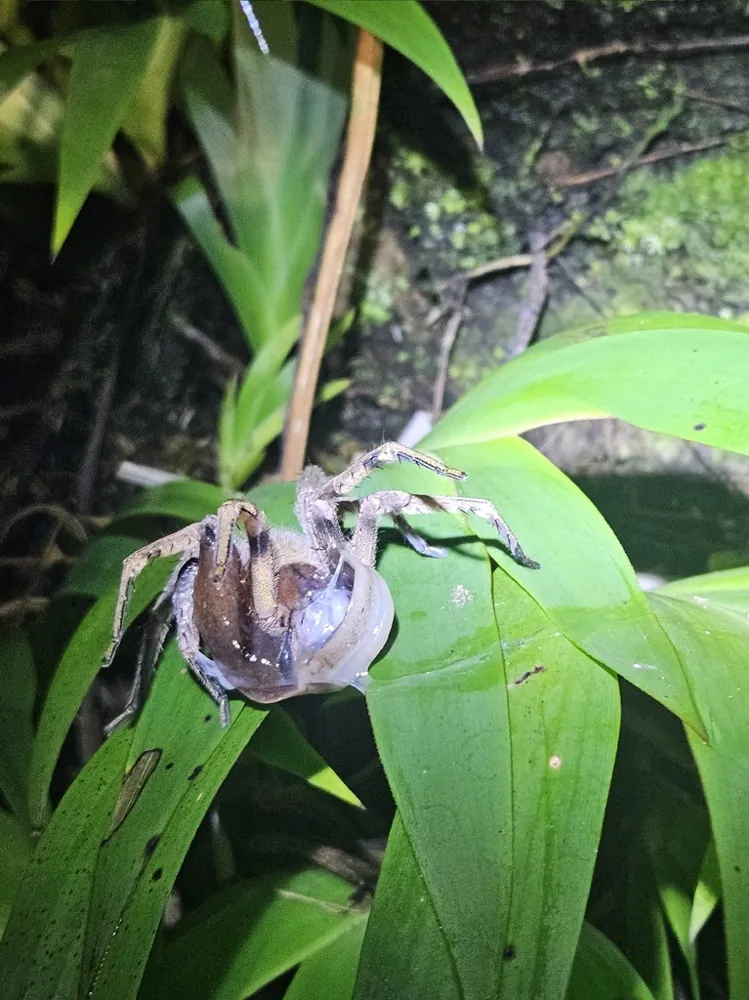
 Bí o ṣe lè dá a mọ̀
Agbára oró
Oró ń jáde láti inú eyín oró tàbí eyín rẹ̀ nígbà tí ó bá bùjẹ.
Kí ni oró rẹ̀ máa ń ṣe?
Its venom contains many neurotoxins, which are poisons that affect the nerves. They mainly act on sodium and calcium ion channels, which are the gates that let charged particles move in and out of nerve and muscle cells. The venom also contains enzymes, including serine proteases, metalloproteases, cholinesterases and hyaluronidases, which may explain some of the effects of a bite.1
Báwo ló ṣe léwu tó fún ènìyàn?
Ewu fún ènìyàn: Ó le gan-anÌbùjẹ nílò dókítà. Ikú kò wọ́pọ̀ rárá.Most recorded human bites caused mild to moderate symptoms. All the recorded bites were from adult spiders. One bite caused severe symptoms, including kidney failure (renal failure).1
 Bí ó bá bùjẹ
- Fọ ibi ìbùjẹ náà kí o sì fi àpò yìnyín lé e fún ìrora. Wá ìrànlọ́wọ́ ìṣègùn bí ìrora bá le, tí ó ń tàn kálẹ̀, tàbí tí ara ẹni náà kò bá yá.
Máa kọ́kọ́ pe nọ́ńbà pàjáwìrì rẹ nígbà gbogbo (112, 000, 911). Èyí jẹ́ ìtọ́sọ́nà ìtọ́jú àkọ́kọ́ gbogbogbò, kì í ṣe ìmọ̀ràn ìṣègùn. Ìpìlẹ̀ ìtọ́jú àkọ́kọ́
 Wà láìléwu
- Má ṣe fọwọ́ kan, mú tàbí yọ ẹranko igbó lẹ́nu láéláé, kódà bí ó bá kéré, kódà bí ó bá dà bí ẹni pé ó ń sùn tàbí ó ti kú.
- Fún un ní àyè. Bí o bá pàdé ọ̀kan, farabalẹ̀, sẹ́yìn díẹ̀díẹ̀ kí o sì jẹ́ kí ó máa bá ọ̀nà rẹ̀ lọ.
- Bí ọ̀kan bá bù ọ́ jẹ: farabalẹ̀, má ṣe mira, pe nọ́ńbà pàjáwìrì rẹ (112, 000, 911) tàbí lọ sí ilé ìwòsàn kíákíá. Rántí bí ó ṣe rí, fọ́tò máa ń ṣèrànwọ́.
Kò wá ọ kiri láti ṣe ọ́ léṣe. Ó ń lo oró rẹ̀ láti mú oúnjẹ tàbí láti dáàbò bo ara rẹ̀, ó sì fẹ́ràn láti farapamọ́ jù. Sí i nípa wíwà láìléwu
Báwo ló ṣe tóbi tó?
Báwo ló ṣe gùn tó?
 ó gùn tó bíríkì ìṣeré 3 tí a tò sí ìlà kan
 lè sáré mítà 100 ní ìṣẹ́jú-àáyá 200 (ènìyàn tó yára jùlọ nílò 9.6)
Báwo ni Central American wandering spider ṣe tóbi tó tí a bá fi wé ÌWỌ?
Ìṣirò nìkan nínú bráwúsà rẹ. A kò fi ohunkóhun pamọ́, a kò sì fi ránṣẹ́ sí ibikíbi.
Báwo ló ṣe yára tó?


Òtítọ́
Each egg sac can hold up to 1300 eggs, which is far more than most spiders produce.1
Adult females can have a stride length of more than 10 centimetres.1
Spiderlings become adults only after 14 to 17 moults.1
Sexual maturity is reached 300 to 465 days after the spiderlings leave the egg sac.1
It prefers disturbed land, such as areas changed by people, rather than deep undisturbed forest.1
Ibi tí àwọn òtítọ́ ti wá
- Phoneutria depilata (Wikipedia (CC BY-SA 4.0))
- Phoneutria depilata (iNaturalist): orúkọ àti ìpínsísọ̀rí.
- Venom Wiki: ìpele ewu, ìtóbi déédé àti àfojúbù ìyára jẹ́ tiwa. Wo bí a ṣe ń ṣírò wọn: Bí a ṣe ń díwọ̀n ewu.
Gbogbo òtítọ́ ojú-ìwé yìí ní nọ́ńbà tó tọ́ka sí orísun rẹ̀. Bí a bá ṣe àṣìṣe, má bínú, olólùfẹ́ ẹranko ni wá, kì í ṣe ìwé ìròyìn sáyẹ́ǹsì. Sọ fún wa ní [email protected] a ó sì tún un ṣe.
 Ebi ń pa àkekèé! Iṣẹ́ akanṣe ẹnì kan ṣoṣo ni Venom Wiki: ọ̀fẹ́ ni, kò sí ìpolówó, kò sì sí olùtọpinpin. Ẹ̀bùn kékeré ń ràn án lọ́wọ́ láti wà lórí íńtánẹ́ẹ̀tì.Bọ́ àkekèé
 Brazilian wandering spider
 Brown recluse
 Southern black widow
 Amazon wandering spider
 Chilean recluse
 Northern black widow
 Terciopelo
 Eastern coral snake
 Eastern diamondback rattlesnake
 Eyelash viper
 Timber rattlesnake
 Western diamondback rattlesnake