
 Áfíríkà
 Éṣíà
Éṣíà Yúróòpù
 Gúúsù Amẹ́ríkà
 Ọsirélíà àti Òṣéáníà
 Antáktíkà
 Òkun Pàsífíìkì
 Òkun Àtìláńtíìkì
 Òkun Íńdíà
 Òkun Áktíkì
 Òkun Mẹditaréníà
 Òkun Pupa
 Òkun Káríbíànù
 Òkun Coral
 Òkun Gúúsù Ṣáínà
 Òkun Fílípínì
 Òkun Andaman
 Òkun Àríwá
 Òkun Tímọ̀ àti Òkun Àráfúrà
 Ìyawọlẹ̀ Òkun Bẹ̀ngál
 Ìyawọlẹ̀ Òkun Kalifọ́níà
Giant silkworm moth caterpillar
 Irun tó ń ta ni
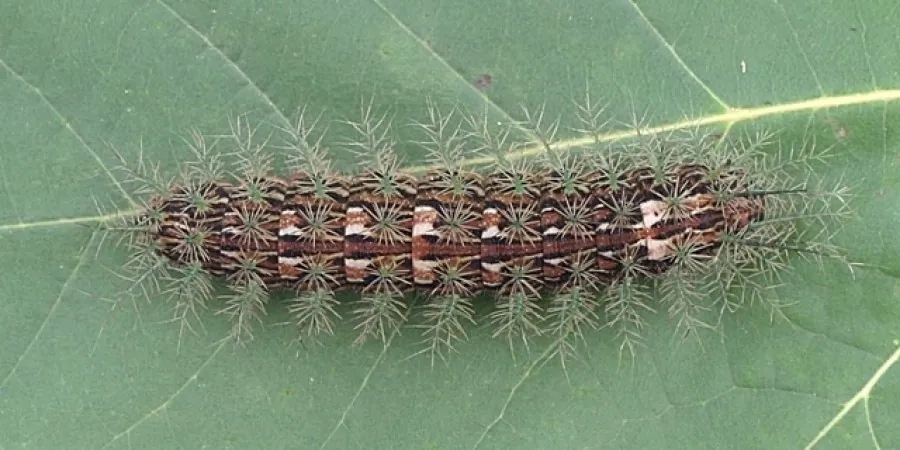
This is the caterpillar of a large moth from South America, the giant silk moth. The caterpillar is famous for its venom, which is one of the most dangerous of any caterpillar. It lives in southern Brazil and nearby countries, and it has caused many deaths.1
 Bí o ṣe lè dá a mọ̀
Agbára oró
Irun kékeré tàbí irun líle máa ń kán sínú awọ ara, wọ́n sì ń ta ni.
Kí ni oró rẹ̀ máa ń ṣe?
The venom is held in sacs at the base of each spine and flows through the hollow spines into the wound. It causes disseminated intravascular coagulation, which stops the blood from clotting and leads to bleeding into the tissues and internal organs. After an initial phase of headache, fever, vomiting and malaise, a severe bleeding disorder can develop after about 24 hours.1
Báwo ló ṣe léwu tó fún ènìyàn?
Ewu fún ènìyàn: Ó léwu gan-anÓ lè pa ènìyàn tí kò bá rí ìtọ́jú.The caterpillar has been responsible for at least 500 deaths. In Brazil, 42,264 accidents were recorded between 2007 and 2017, of which 248 were severe and five were fatal. The reported death rate is 2.5%. Most victims were male (63%), and 45% were between 0 and 21 years old.1
 Ìròyìn ayọ̀: àwọn dókítà ní oògùn (antivenom) tàbí ìtọ́jú fún èyí.1
Kí ni ó máa ń ṣe nígbà tí ẹ̀rù bá bà á?
Its body is covered in hairs and spines that break off easily and inject venom into anything that touches them.1
 Bí o bá fọwọ́ kan irun rẹ̀
- A study by Dr Robert Norris states that stings and abrasions should be treated with antifibrinolytics. If blood products are needed, they must be given with care so they do not worsen the bleeding. An antiserum made by the Butantan Institute in São Paulo reverses the clotting problems, and patients treated with it recover quickly.1
- Fún irun ìdin labalábá tó ń ta ni: fi téèpù aláléẹ̀mọ́ gbé wọn kúrò, lẹ́yìn náà fọ awọ ara. Má ṣe fọwọ́ pa á.
- Fún ìbùjẹ: fọ̀ ọ́, kí o sì tù ú. Wá ìrànlọ́wọ́ ìṣègùn bí ara ẹni náà kò bá yá tàbí tí ẹ̀jẹ̀ bá ń tètè ṣàn lára rẹ̀.
Máa kọ́kọ́ pe nọ́ńbà pàjáwìrì rẹ nígbà gbogbo (112, 000, 911). Èyí jẹ́ ìtọ́sọ́nà ìtọ́jú àkọ́kọ́ gbogbogbò, kì í ṣe ìmọ̀ràn ìṣègùn. Ìpìlẹ̀ ìtọ́jú àkọ́kọ́
 Wà láìléwu
- Má ṣe fọwọ́ kan, mú tàbí yọ ẹranko igbó lẹ́nu láéláé, kódà bí ó bá kéré, kódà bí ó bá dà bí ẹni pé ó ń sùn tàbí ó ti kú.
- Fún un ní àyè. Bí o bá pàdé ọ̀kan, farabalẹ̀, sẹ́yìn díẹ̀díẹ̀ kí o sì jẹ́ kí ó máa bá ọ̀nà rẹ̀ lọ.
- Bí o bá fọwọ́ kan irun rẹ̀: farabalẹ̀, má ṣe mira, pe nọ́ńbà pàjáwìrì rẹ (112, 000, 911) tàbí lọ sí ilé ìwòsàn kíákíá. Rántí bí ó ṣe rí, fọ́tò máa ń ṣèrànwọ́.
Kò wá ọ kiri láti ṣe ọ́ léṣe. Ó ń lo oró rẹ̀ láti mú oúnjẹ tàbí láti dáàbò bo ara rẹ̀, ó sì fẹ́ràn láti farapamọ́ jù. Sí i nípa wíwà láìléwu
Báwo ló ṣe tóbi tó?
Báwo ló ṣe gùn tó?
 ó gùn tó bíríkì ìṣeré 2 tí a tò sí ìlà kan
 ó lọ́ra ju ìgbín inú ọgbà lọ
Báwo ni Giant silkworm moth caterpillar ṣe tóbi tó tí a bá fi wé ÌWỌ?
Ìṣirò nìkan nínú bráwúsà rẹ. A kò fi ohunkóhun pamọ́, a kò sì fi ránṣẹ́ sí ibikíbi.
Báwo ló ṣe yára tó?

Òtítọ́
Guinness World Records lists it as the most venomous caterpillar in the world.1
Before studies of Lonomia caterpillars, it was not known that caterpillars could produce enough toxin to kill a person.1
Its venom contains anti-clotting agents that have been studied for possible medical uses, including a component called Lopap.1
The first known epidemic happened in an farming community in Rio Grande do Sul, where victims had only handled leafy branches before their symptoms began.1
Only two of the 26 Lonomia species found in the Americas, L. obliqua and L. achelous, have caused severe reactions.1
Olùfọ́ àròsọ
Àròsọ: Caterpillars cannot produce toxins strong enough to kill a person.
Òtítọ́: This caterpillar's venom can kill. At least 500 deaths have been linked to it.1
Ibi tí àwọn òtítọ́ ti wá
- Lonomia obliqua (Wikipedia (CC BY-SA 4.0))
- Lonomia obliqua (iNaturalist): orúkọ àti ìpínsísọ̀rí.
- Venom Wiki: ìpele ewu, ìtóbi déédé àti àfojúbù ìyára jẹ́ tiwa. Wo bí a ṣe ń ṣírò wọn: Bí a ṣe ń díwọ̀n ewu.
Gbogbo òtítọ́ ojú-ìwé yìí ní nọ́ńbà tó tọ́ka sí orísun rẹ̀. Bí a bá ṣe àṣìṣe, má bínú, olólùfẹ́ ẹranko ni wá, kì í ṣe ìwé ìròyìn sáyẹ́ǹsì. Sọ fún wa ní [email protected] a ó sì tún un ṣe.
 Ebi ń pa àkekèé! Iṣẹ́ akanṣe ẹnì kan ṣoṣo ni Venom Wiki: ọ̀fẹ́ ni, kò sí ìpolówó, kò sì sí olùtọpinpin. Ẹ̀bùn kékeré ń ràn án lọ́wọ́ láti wà lórí íńtánẹ́ẹ̀tì.Bọ́ àkekèé
Sí i láti inú ẹgbẹ́ kan náà: Ìdin labalábá àti kòkòrò
 Vinchuca kissing bugÌdin labalábá àti kòkòròÓ nílò dókítà
 Venezuelan fire caterpillarÌdin labalábá àti kòkòròÓ lè paniMá ṣe fọwọ́ kàn án
 Pararama caterpillarÌdin labalábá àti kòkòròÓ nílò dókítàMá ṣe fọwọ́ kàn án
 Rhodnius kissing bugÌdin labalábá àti kòkòròÓ nílò dókítà
 Yellowtail moth of the mangrovesÌdin labalábá àti kòkòròÓ kàn ń dunniMá ṣe fọwọ́ kàn án
 Milkweed assassin bugÌdin labalábá àti kòkòròAláìléwu
 Golden poison frog
 Terciopelo
 Brazilian wandering spider
 Eyelash viper
 Golden lancehead
 South American bushmaster