
 Áfíríkà
 Éṣíà
Éṣíà Yúróòpù
 Gúúsù Amẹ́ríkà
 Ọsirélíà àti Òṣéáníà
 Antáktíkà
 Òkun Pàsífíìkì
 Òkun Àtìláńtíìkì
 Òkun Íńdíà
 Òkun Áktíkì
 Òkun Mẹditaréníà
 Òkun Pupa
 Òkun Káríbíànù
 Òkun Coral
 Òkun Gúúsù Ṣáínà
 Òkun Fílípínì
 Òkun Andaman
 Òkun Àríwá
 Òkun Tímọ̀ àti Òkun Àráfúrà
 Ìyawọlẹ̀ Òkun Bẹ̀ngál
 Ìyawọlẹ̀ Òkun Kalifọ́níà
Northern scorpion
 Ìtani
ÌtaniThe northern scorpion is a small scorpion that lives across much of western and central North America. It is the only scorpion found in Canada, and it lives further north than any other scorpion species.1

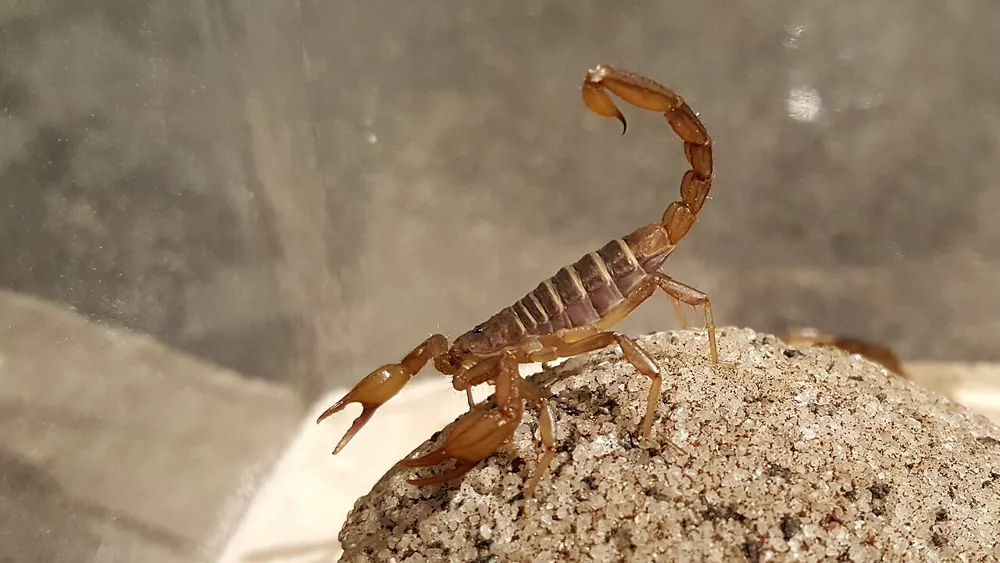
 Bí o ṣe lè dá a mọ̀
Agbára oró
Oró ń jáde láti inú ohun ìtani.
Kí ni oró rẹ̀ máa ń ṣe?
Its sting can carry paralysing toxins, which stop prey from moving. Stung prey usually stops struggling within one minute.1
Báwo ló ṣe léwu tó fún ènìyàn?
Ewu fún ènìyàn: Fúyẹ́Bí ìtani oyin tàbí kò tó bẹ́ẹ̀. Kò fẹ́rẹ̀ẹ́ léwu fún ènìyàn.Kí ni ó máa ń ṣe nígbà tí ẹ̀rù bá bà á?
Younger scorpions are more willing than adults to use their stinger both to defend themselves and to attack.1
 Bí ó bá ta ni
- Fi àpò yìnyín tu ibi tí ó ti ta ni lára, kí o sì jẹ́ kí ẹni náà wà láìmira. Wá ìrànlọ́wọ́ ìṣègùn kíákíá, pàápàá fún àwọn ọmọdé: àwọn àkekèé kan lè pa ọmọdé.
Máa kọ́kọ́ pe nọ́ńbà pàjáwìrì rẹ nígbà gbogbo (112, 000, 911). Èyí jẹ́ ìtọ́sọ́nà ìtọ́jú àkọ́kọ́ gbogbogbò, kì í ṣe ìmọ̀ràn ìṣègùn. Ìpìlẹ̀ ìtọ́jú àkọ́kọ́
 Wà láìléwu
- Má ṣe fọwọ́ kan, mú tàbí yọ ẹranko igbó lẹ́nu láéláé, kódà bí ó bá kéré, kódà bí ó bá dà bí ẹni pé ó ń sùn tàbí ó ti kú.
- Fún un ní àyè. Bí o bá pàdé ọ̀kan, farabalẹ̀, sẹ́yìn díẹ̀díẹ̀ kí o sì jẹ́ kí ó máa bá ọ̀nà rẹ̀ lọ.
- Bí ọ̀kan bá ta ọ́: farabalẹ̀, má ṣe mira, pe nọ́ńbà pàjáwìrì rẹ (112, 000, 911) tàbí lọ sí ilé ìwòsàn kíákíá. Rántí bí ó ṣe rí, fọ́tò máa ń ṣèrànwọ́.
Kò wá ọ kiri láti ṣe ọ́ léṣe. Ó ń lo oró rẹ̀ láti mú oúnjẹ tàbí láti dáàbò bo ara rẹ̀, ó sì fẹ́ràn láti farapamọ́ jù. Sí i nípa wíwà láìléwu
Báwo ló ṣe tóbi tó?
Báwo ló ṣe gùn tó?
 ó gùn tó pínì ìwé (paper clip)
 lè sáré mítà 100 ní ìṣẹ́jú-àáyá 300 (ènìyàn tó yára jùlọ nílò 9.6)
Báwo ni Northern scorpion ṣe tóbi tó tí a bá fi wé ÌWỌ?
Ìṣirò nìkan nínú bráwúsà rẹ. A kò fi ohunkóhun pamọ́, a kò sì fi ránṣẹ́ sí ibikíbi.
Báwo ló ṣe yára tó?


Òtítọ́
When two northern scorpions fight over territory, the larger one usually wins and eats the loser. Smaller females have sometimes been seen eating larger males.1
Stinger use changes with age. Juveniles sting all their prey, while adults use their stingers on only about 30% of prey.1
Individuals can go without food for phases lasting up to 5 months.1
Young scorpions sit on their mother's back and cannot hunt until they are about 13 to 14 days old.1
Males can roam up to six times as far each day as females.1
They are almost always active at night. They come out of their burrows between 21:30 and 23:00 and stay in during rain or when temperatures drop below 10 °C.1
Ibi tí àwọn òtítọ́ ti wá
- Paruroctonus boreus (Wikipedia (CC BY-SA 4.0))
- Paruroctonus boreus (iNaturalist): orúkọ àti ìpínsísọ̀rí.
- Venom Wiki: ìpele ewu, ìtóbi déédé àti àfojúbù ìyára jẹ́ tiwa. Wo bí a ṣe ń ṣírò wọn: Bí a ṣe ń díwọ̀n ewu.
Gbogbo òtítọ́ ojú-ìwé yìí ní nọ́ńbà tó tọ́ka sí orísun rẹ̀. Bí a bá ṣe àṣìṣe, má bínú, olólùfẹ́ ẹranko ni wá, kì í ṣe ìwé ìròyìn sáyẹ́ǹsì. Sọ fún wa ní [email protected] a ó sì tún un ṣe.
 Ebi ń pa àkekèé! Iṣẹ́ akanṣe ẹnì kan ṣoṣo ni Venom Wiki: ọ̀fẹ́ ni, kò sí ìpolówó, kò sì sí olùtọpinpin. Ẹ̀bùn kékeré ń ràn án lọ́wọ́ láti wà lórí íńtánẹ́ẹ̀tì.Bọ́ àkekèé
 Arizona bark scorpion
 Cuban blue scorpion
 Striped bark scorpion
 Giant desert hairy scorpion
 Colima scorpion
 Durango scorpion
 Terciopelo
 Eastern coral snake
 Eastern diamondback rattlesnake
 Eyelash viper
 Timber rattlesnake
 Western diamondback rattlesnake