
 I-Afrika
 I-Asia
 I-Yurophu
 INingizimu Melika
 I-Australia ne-Oceania
 I-Antarctica
 ULwandlekazi iPacific
 ULwandlekazi i-Atlantic
 ULwandlekazi i-India
 ULwandlekazi i-Arctic
 Ulwandle iMediterranean
 Ulwandle Olubomvu
 Ulwandle iCaribbean
 Ulwandle iCoral
 Ulwandle lwaseNingizimu China
 Ulwandle lwasePhilippines
 Ulwandle i-Andaman
 Ulwandle i-North Sea
 Ulwandle lwaseTimor ne-Arafura
 Ichweba laseBengal
 Ichweba laseCalifornia
Fen raft spider
 Ukuluma
The fen raft spider is a large spider that lives on the edges of still, slow-moving water in Europe. It hunts from plants at the water's edge and can even run across the surface of a pond. It is rare, and it is protected in many places.1


 Indlela yokusibona
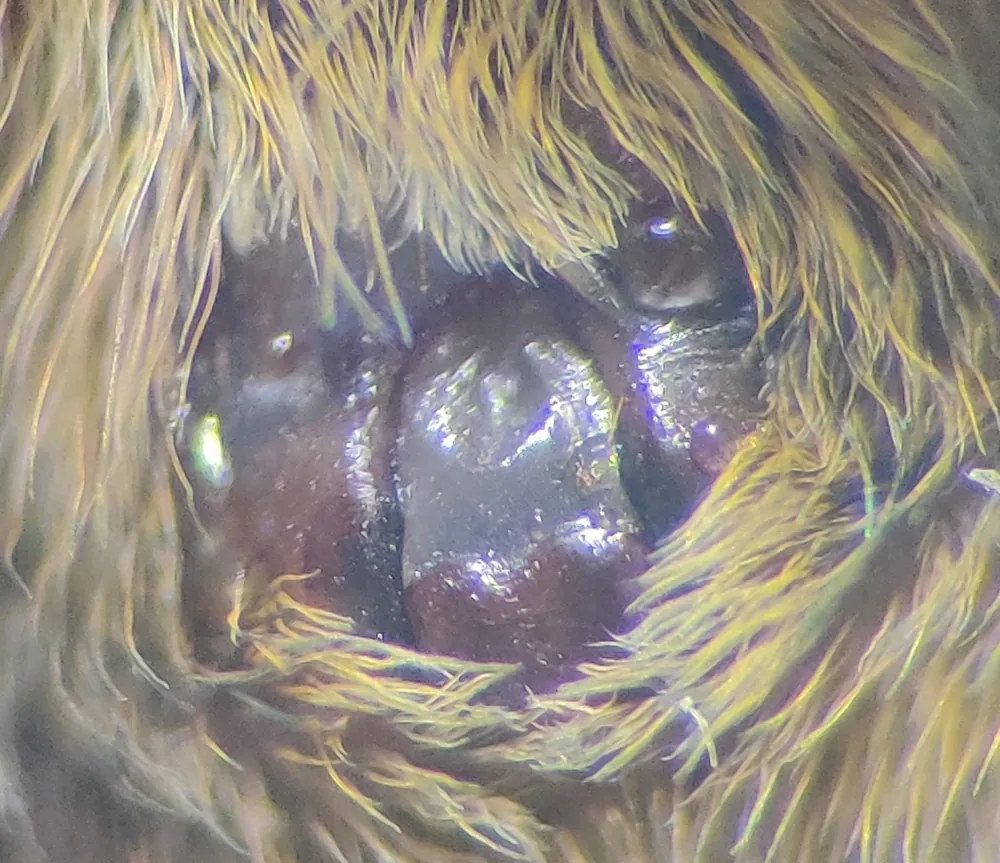
- It is a large spider within its range. Adult females have bodies slightly over 2 cm long and a leg span of about 7 cm.1
- It is usually black or brown, with white or cream stripes along the sides of the body.1
- It is often found sitting on plant stems at the water's edge, with its back legs on a stem and its front legs on the water.1
Ivamise ukudidaniswa ne: It is very similar in appearance to the closely related raft spider, Dolomedes fimbriatus, and the two are often misidentified. Identification can be difficult.1
Amandla obuthi
Ubuthi buphuma ngamazinyo aso obuthi noma ngamazinyo uma siluma.
Siyingozi kangakanani ebantwini?
Ingozi ebantwini: KuncaneNjengokuhlatshwa yinyosi noma ngaphansi. Cishe akunangozi ebantwini. Uma siluma
- Geza inxeba lokulunywa bese ubeka iphakethe leqhwa phezu kwalo ngenxa yobuhlungu. Thola usizo lwezokwelapha uma ubuhlungu bunamandla, busabalala noma umuntu ezizwa engaphilile.
Njalo shayela kuqala inombolo yezimo eziphuthumayo (112, 000, 911). Lokhu kuyiseluleko sosizo lokuqala esijwayelekile, akusona iseluleko sezokwelapha. Izisekelo zosizo lokuqala
 Hlala uphephile
- Ungalokothi uthinte, ubambe noma ugcone isilwane sasendle, ngisho noma sincane, futhi ngisho noma sibukeka silele noma sifile.
- Sinike isikhala. Uma uhlangana naso, hlala uzolile, uhlehle kancane bese usiyeka sihambe ngendlela yaso.
- Uma sikuluma: hlala uzolile, ungashukumi, shayela inombolo yezimo eziphuthumayo (112, 000, 911) noma uye esibhedlela ngokushesha. Khumbula ukuthi besibukeka kanjani, isithombe siyasiza.
Asikuzingeli wena. Sisebenzisa ubuthi baso ukuze sibambe ukudla noma ukuzivikela, futhi singancamela ukucasha. Okwengeziwe mayelana nokuhlala uphephile
Sikhulu kangakanani?
Side kangakanani?
 side njengezitini zamathoyizi ezingu-2 ezilandelanayo
 singahamba amamitha ali-100 ngemizuzwana engu-280 (umuntu oshesha kunabo bonke udinga engu-9,6)
Fen raft spider mkhulu kangakanani uma uqhathanisa NAWE?
Yizibalo nje kusiphequluli sakho. Akukho okulondolozwayo noma okuthunyelwa ndawo.
Sishesha kangakanani?


Amaqiniso
It can run across the surface of water by using surface tension, the force that keeps the water's skin intact.1
It can also hunt underwater by running down plant stems, and it can use this route to escape predators.1
It detects prey using sensory hairs on its legs, which pick up the vibrations made when prey hits the water.1
Before hatching, the female builds a tent-like nursery web on plants above the water, where she guards the young.1
In 2010, around 1,600 hand-reared spiderlings were released at a new UK site, which were fed on fruit flies.1
Males mate early in the season and most die by late July. Females survive until the end of summer.1
Okongoti bobuthi
- Igama lesayensi
- Dolomedes plantarius
- Iqembu
- Izicabucabu
- Umndeni
- Dolomedidae2
- Ukuhleleka
- Araneae
- Amazwekazi
- I-Yurophu
- Izinsana
- The female lays several hundred eggs in a silk sac about 10 mm across, which she carries under her body for around three weeks.1
- Isikhathi sokuphila
- cishe iminyaka engu-2.51
- Simo saso endle
- Vulnerable (IUCN Red List). In the UK it is Nationally Rare and protected by law.1
- Ingozi ebantwini
- 1 / 5: Kuncane3
Lapho amaqiniso evela khona
- Great raft spider (Wikipedia (CC BY-SA 4.0))
- Dolomedes plantarius (iNaturalist): amagama nokuhlelwa ngezigaba.
- Venom Wiki: izinga lengozi, usayizi ojwayelekile nesiqagela sejubane kungokwethu. Bona ukuthi sikubala kanjani: Indlela esilinganisa ngayo ingozi.
Iqiniso ngalinye kuleli khasi linenombolo ekhomba umthombo walo. Uma senze iphutha, uxolo, singabathandi bezilwane, hhayi iphephabhuku lesayensi. Sitshele ku-[email protected] futhi sizolilungisa.
 Ufezela ulambile! I-Venom Wiki iwumsebenzi womuntu oyedwa: imahhala, ayinazo izikhangiso noma izilandeli. Isipho esincane sisiza ukuyigcina ku-inthanethi.Phakela ufezela
Okunye okuvela eqenjini elifanayo: Izicabucabu
 Mediterranean black widow
 Diving bell spider
 European yellow sac spider
 Noble false widow
 Tarantula wolf spider
 Daddy long-legs spider
Futhi ihlala: I-Yurophu
 Common European adderAma-viper namabululuKudinga udokotela
 Spanish flyEzinye izilwane ezinoshevuKudinga udokotelaUngathinti
 Common waspIzinyosi, imivi nama-hornetKubuhlungu nje
 European hornetIzinyosi, imivi nama-hornetKubuhlungu nje
 Fire salamanderAmaxoxo anoshevu, amaxoxo e-toad nama-newtKubuhlungu njeUngathinti
 Western honey beeIzinyosi, imivi nama-hornetKubuhlungu nje