
 I-Afrika
 I-Asia
 I-Yurophu
 INingizimu Melika
 I-Australia ne-Oceania
 I-Antarctica
 ULwandlekazi iPacific
 ULwandlekazi i-Atlantic
 ULwandlekazi i-India
 ULwandlekazi i-Arctic
 Ulwandle iMediterranean
 Ulwandle Olubomvu
 Ulwandle iCaribbean
 Ulwandle iCoral
 Ulwandle lwaseNingizimu China
 Ulwandle lwasePhilippines
 Ulwandle i-Andaman
 Ulwandle i-North Sea
 Ulwandle lwaseTimor ne-Arafura
 Ichweba laseBengal
 Ichweba laseCalifornia
Common wasp
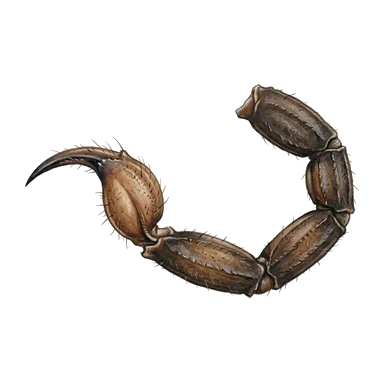 Ukuhlaba
The common wasp is a yellow and black wasp that lives in colonies. It is found in parts of Europe, Asia, Australia, New Zealand and South America, and it often comes into gardens, orchards and buildings. It matters because it can sting people and damage fruit crops.1
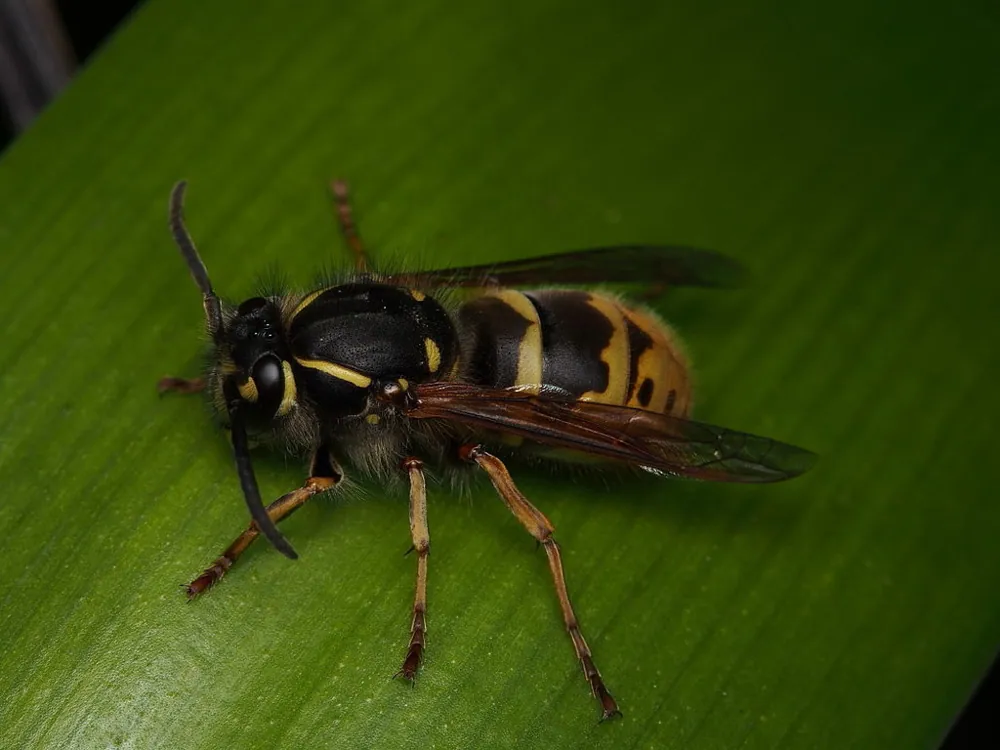
 Indlela yokusibona
- Black and yellow warning colours, with yellow bands on the thorax and black dots and rings on the abdomen.1
- Seen from the front, the face has a single black mark on the clypeus, shaped like an anchor or a dagger.1
- Workers measure about 12–17 mm from head to tip of abdomen, while queens are about 20 mm long.1
- Its paper nest is brittle and tan coloured, with open cells and a column attaching it to the surface.1
Ivamise ukudidaniswa ne: The common wasp looks very similar to Vespula germanica, the German wasp. Seen head on, the German wasp has three black dots on its face, while the common wasp has only one black mark. Males of the two species are almost impossible to tell apart by eye and need the shape of their genitalia to identify them.1
Amandla obuthi
Ubuthi buphuma ngodosi.
Siyingozi kangakanani ebantwini?
Ingozi ebantwini: KubuhlunguKungaba buhlungu ngempela, kodwa cishe akukaze kube kubi kakhulu.The common wasp frequently damages fruit crops and can endanger humans.1
 Uma sihlaba
- Khipha udosi lwenyosi ngokulukhuhla bese upholisa indawo.
- Uma umuntu ephefumula kanzima, ebuso noma emphinjeni kuvuvukala, noma ezizwa ezoquleka, lesi yisimo esiphuthumayo se-allergy: shayela inombolo yezimo eziphuthumayo futhi usebenzise ipeni lakhe le-adrenaline uma enalo.
Njalo shayela kuqala inombolo yezimo eziphuthumayo (112, 000, 911). Lokhu kuyiseluleko sosizo lokuqala esijwayelekile, akusona iseluleko sezokwelapha. Izisekelo zosizo lokuqala
 Hlala uphephile
- Ungalokothi uthinte, ubambe noma ugcone isilwane sasendle, ngisho noma sincane, futhi ngisho noma sibukeka silele noma sifile.
- Sinike isikhala. Uma uhlangana naso, hlala uzolile, uhlehle kancane bese usiyeka sihambe ngendlela yaso.
- Uma sikuhlaba: hlala uzolile, ungashukumi, shayela inombolo yezimo eziphuthumayo (112, 000, 911) noma uye esibhedlela ngokushesha. Khumbula ukuthi besibukeka kanjani, isithombe siyasiza.
Asikuzingeli wena. Sisebenzisa ubuthi baso ukuze sibambe ukudla noma ukuzivikela, futhi singancamela ukucasha. Okwengeziwe mayelana nokuhlala uphephile
Sikhulu kangakanani?
Side kangakanani?
 side cishe njengesibophi sephepha
 singandiza siwele inkundla yebhola yonke ngemizuzwana engu-16
Common wasp mkhulu kangakanani uma uqhathanisa NAWE?
Yizibalo nje kusiphequluli sakho. Akukho okulondolozwayo noma okuthunyelwa ndawo.
Sishesha kangakanani?


Amaqiniso
The nest has a chemical that repels ants, which is spread around the base of the nest column to stop ants attacking it.1
Workers use their wings as fans to cool the nest when it gets too hot, as its best temperature is around 32 °C.1
A new queen searches for a nest site and performs a dance-like wing movement that helps her find the spot again after she has left.1
The wasps mark the path from their nest to their food with pheromone trails, which are specific to the species rather than to each colony.1
The queen dies in autumn, and once she is gone the colony breaks down and the workers die of cold or starvation.1
Umqothuli wezinganekwane
Inganekwane: Common wasps found in North America are the same species as the common wasp of Europe.
Iqiniso: Until 2010 they were thought to be the same, but the North American ones are a different species, Vespula alascensis.1
Lapho amaqiniso evela khona
- Vespula vulgaris (Wikipedia (CC BY-SA 4.0))
- Vespula vulgaris (iNaturalist): amagama nokuhlelwa ngezigaba.
- Venom Wiki: izinga lengozi, usayizi ojwayelekile nesiqagela sejubane kungokwethu. Bona ukuthi sikubala kanjani: Indlela esilinganisa ngayo ingozi.
Iqiniso ngalinye kuleli khasi linenombolo ekhomba umthombo walo. Uma senze iphutha, uxolo, singabathandi bezilwane, hhayi iphephabhuku lesayensi. Sitshele ku-[email protected] futhi sizolilungisa.
 Ufezela ulambile! I-Venom Wiki iwumsebenzi womuntu oyedwa: imahhala, ayinazo izikhangiso noma izilandeli. Isipho esincane sisiza ukuyigcina ku-inthanethi.Phakela ufezela
Okunye okuvela eqenjini elifanayo: Izinyosi, imivi nama-hornet
 Asian giant hornetIzinyosi, imivi nama-hornetKungabulala
 European hornetIzinyosi, imivi nama-hornetKubuhlungu nje
 Western honey beeIzinyosi, imivi nama-hornetKubuhlungu nje
 Giant honey beeIzinyosi, imivi nama-hornetKudinga udokotela
 Asian hornetIzinyosi, imivi nama-hornetKubuhlungu nje
 European paper waspIzinyosi, imivi nama-hornetKubuhlungu nje
Futhi ihlala: I-Yurophu
 Common European adderAma-viper namabululuKudinga udokotela
 Spanish flyEzinye izilwane ezinoshevuKudinga udokotelaUngathinti
 Fire salamanderAmaxoxo anoshevu, amaxoxo e-toad nama-newtKubuhlungu njeUngathinti
 Blunt-nosed viperAma-viper namabululuKungabulala
 Nose-horned viperAma-viper namabululuKungabulala
 Ottoman viperAma-viper namabululuKungabulala