
 I-Afrika
 I-Asia
 I-Yurophu
 INingizimu Melika
 I-Australia ne-Oceania
 I-Antarctica
 ULwandlekazi iPacific
 ULwandlekazi i-Atlantic
 ULwandlekazi i-India
 ULwandlekazi i-Arctic
 Ulwandle iMediterranean
 Ulwandle Olubomvu
 Ulwandle iCaribbean
 Ulwandle iCoral
 Ulwandle lwaseNingizimu China
 Ulwandle lwasePhilippines
 Ulwandle i-Andaman
 Ulwandle i-North Sea
 Ulwandle lwaseTimor ne-Arafura
 Ichweba laseBengal
 Ichweba laseCalifornia
Platypus
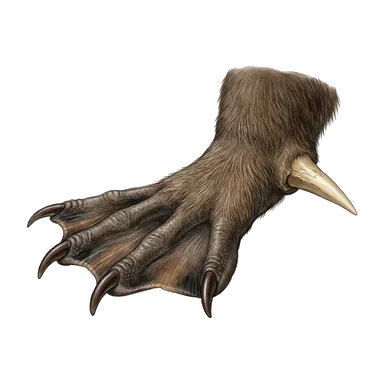 Izikhonkwane ezinobuthi
The platypus is a semiaquatic mammal that lays eggs, and it has a duck-like bill and a beaver-like tail. It lives in eastern Australia, including Tasmania. It is special because it is one of the few venomous mammals.1

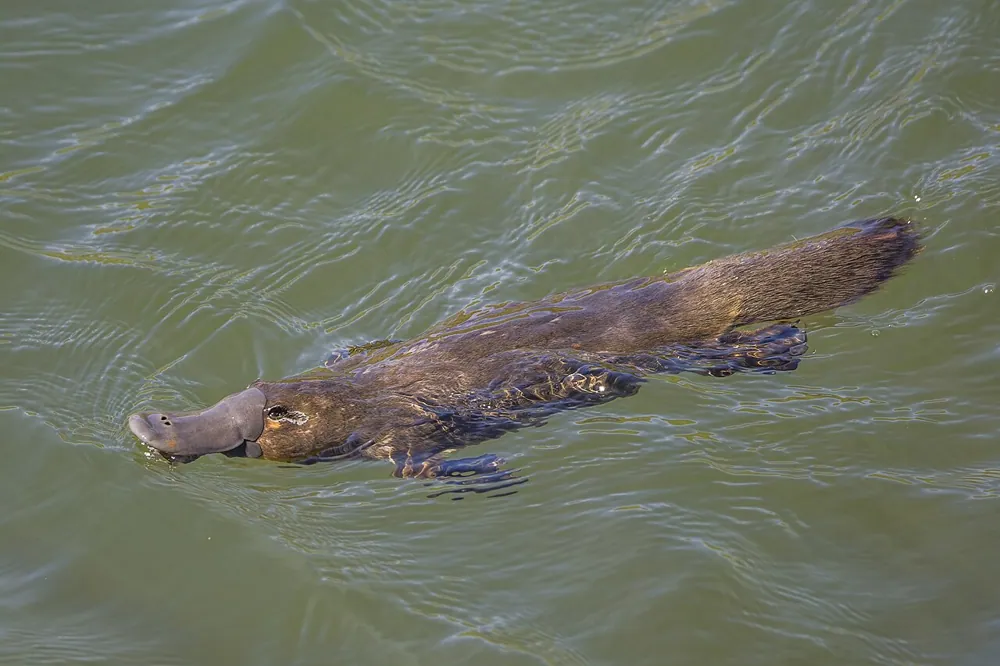
_Scottsdale.jpg)
 Indlela yokusibona
- Short, dense, brown fur that is waterproof1
- A soft, duck-like bill1
- A wide, flat, furry tail, unlike the scaly tail of a beaver1
- Short legs with webbing, most noticeably on the front feet1
- Small eyes and ears that sit in a groove that closes underwater1
Ivamise ukudidaniswa ne: Early European naturalists were confused by the platypus and thought it was a fake, made by sewing a duck's beak onto a beaver-like body. Its tail looks like a beaver's, but it is furry rather than scaly.1
Amandla obuthi
Isikhonkwane esibukhali emilenzeni yangemuva siphethe ubuthi.
Ubuthi baso benzani?
Only the male platypus has venom, which it injects through a spur on each hind foot. The venom is powerful enough to cause extreme pain in humans. The affected limb then develops swelling, which starts at the wound and spreads.1
Siyingozi kangakanani ebantwini?
Ingozi ebantwini: KubuhlunguKungaba buhlungu ngempela, kodwa cishe akukaze kube kubi kakhulu.The venom is extremely painful.1
 Uma isikhonkwane saso sikugwaza
- Geza inxeba kahle bese uthola usizo lwezokwelapha.
Njalo shayela kuqala inombolo yezimo eziphuthumayo (112, 000, 911). Lokhu kuyiseluleko sosizo lokuqala esijwayelekile, akusona iseluleko sezokwelapha. Izisekelo zosizo lokuqala
 Hlala uphephile
- Ungalokothi uthinte, ubambe noma ugcone isilwane sasendle, ngisho noma sincane, futhi ngisho noma sibukeka silele noma sifile.
- Sinike isikhala. Uma uhlangana naso, hlala uzolile, uhlehle kancane bese usiyeka sihambe ngendlela yaso.
- Uma isikhonkwane saso sikugwaza: hlala uzolile, ungashukumi, shayela inombolo yezimo eziphuthumayo (112, 000, 911) noma uye esibhedlela ngokushesha. Khumbula ukuthi besibukeka kanjani, isithombe siyasiza.
Asikuzingeli wena. Sisebenzisa ubuthi baso ukuze sibambe ukudla noma ukuzivikela, futhi singancamela ukucasha. Okwengeziwe mayelana nokuhlala uphephile
Sikhulu kangakanani?
Side kangakanani?
Sisinda kangakanani?
 side njengobhanana abangu-3 abalandelanayo
 side njengezitini zamathoyizi ezingu-16 ezilandelanayo
 singabhukuda ubude bechibi elikhulu lokubhukuda (50 m) ngemizuzwana engu-51
Platypus mkhulu kangakanani uma uqhathanisa NAWE?
Yizibalo nje kusiphequluli sakho. Akukho okulondolozwayo noma okuthunyelwa ndawo.
Sishesha kangakanani?
Amaqiniso
The platypus has about 40,000 electroreceptors in its bill, which detect electric signals from prey in murky water.1
Its fur is one of the most densely packed of any mammal, behind only otters. It also glows cyan and green under ultraviolet light.1
The platypus lacks a functional stomach, because it does not have the genes needed to make pepsin, a digestive enzyme.1
Adult platypuses have no teeth. They have heavily keratinised grinding pads instead, and young platypuses lose their teeth around the time they leave their burrow.1
Its average body temperature is about 32 °C, lower than the 37 °C typical of placental mammals.1
Umqothuli wezinganekwane
Inganekwane: The platypus is a hoax, made by sewing several animals together.
Iqiniso: The platypus is a real species. When the first scientists examined a preserved body in 1799, they doubted it, and George Shaw even used scissors to check for stitches.1
Okongoti bobuthi
- Igama lesayensi
- Ornithorhynchus anatinus
- Iqembu
- Izilwane ezincelisayo ezinobuthi
- Umndeni
- Ornithorhynchidae2
- Ukuhleleka
- Monotremata
- Amazwekazi
- I-Australia ne-Oceania
- Izinsana
- The platypus lays eggs instead of giving birth to live young.1
- Simo saso endle
- Near-threatened (IUCN). A November 2020 report recommended upgrading it to threatened under Australia's federal EPBC Act.1
- Ingozi ebantwini
- 2 / 5: Kubuhlungu3
Lapho amaqiniso evela khona
- Platypus (Wikipedia (CC BY-SA 4.0))
- Ornithorhynchus anatinus (iNaturalist): amagama nokuhlelwa ngezigaba.
- Venom Wiki: izinga lengozi, usayizi ojwayelekile nesiqagela sejubane kungokwethu. Bona ukuthi sikubala kanjani: Indlela esilinganisa ngayo ingozi.
Iqiniso ngalinye kuleli khasi linenombolo ekhomba umthombo walo. Uma senze iphutha, uxolo, singabathandi bezilwane, hhayi iphephabhuku lesayensi. Sitshele ku-[email protected] futhi sizolilungisa.
 Ufezela ulambile! I-Venom Wiki iwumsebenzi womuntu oyedwa: imahhala, ayinazo izikhangiso noma izilandeli. Isipho esincane sisiza ukuyigcina ku-inthanethi.Phakela ufezela
Okunye okuvela eqenjini elifanayo: Izilwane ezincelisayo ezinobuthi
 Common vampire batIzilwane ezincelisayo ezinobuthiKubuhlungu nje
 Bengal slow lorisIzilwane ezincelisayo ezinobuthiKubuhlungu nje
 Cuban solenodonIzilwane ezincelisayo ezinobuthiKubuhlungu nje
 Hispaniolan solenodonIzilwane ezincelisayo ezinobuthiKubuhlungu nje
 Javan slow lorisIzilwane ezincelisayo ezinobuthiKubuhlungu nje
 Pygmy slow lorisIzilwane ezincelisayo ezinobuthiKubuhlungu nje
Futhi ihlala: I-Australia ne-Oceania
 Coastal taipanIzinyoka zase-AustraliaKuyabulala
 Common death adderIzinyoka zase-AustraliaKuyabulala
 Eastern brown snakeIzinyoka zase-AustraliaKuyabulala
 Inland taipanIzinyoka zase-AustraliaKuyabulala
 Sydney funnel-web spiderAma-tarantula nama-funnel-webKuyabulala
 Inyoka yehlosiIzinyoka zase-AustraliaKuyabulala