
 Abibirem
 Asia
Asia Yuropu
 Amerika Anaafoɔ
 Australia ne Oceania
 Antarctica
 Pacific Po
 Atlantic Po
 India Po
 Arctic Po
 Mediterranean Po
 Po Kɔkɔɔ
 Caribbean Po
 Coral Po
 China Anaafoɔ Po
 Philippine Po
 Andaman Po
 Atifi Po
 Timor ne Arafura Po
 Bengal Ɛpo Ano
 California Ɛpo Ano
Cantil
 Ka
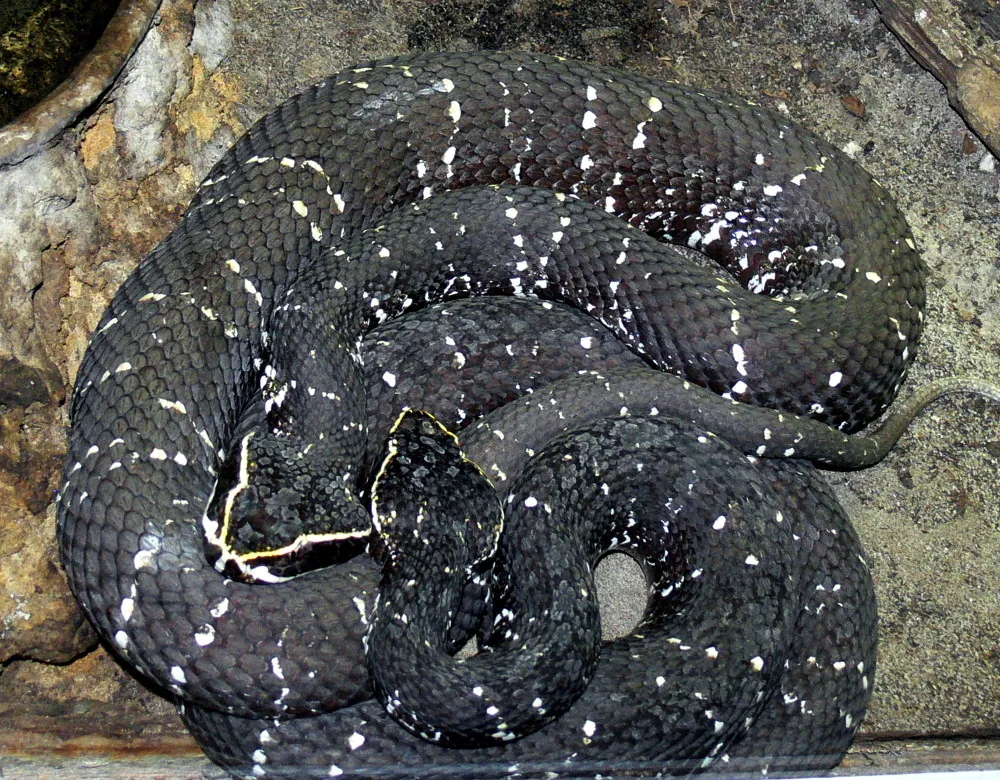
KaThe cantil is a highly venomous pit viper, a type of snake that senses heat with pits on its face. It lives in Mexico and Central America, reaching south as far as Honduras. Its bite can be very dangerous, which is why it is so well known in the region.1
 Sɛdeɛ wobɛhunu no
- Heavy-bodied, with a broad, triangular head and small eyes with vertical pupils.1
- Usually brown or black, with darker brown or black banding, sometimes with white or cream accents.1
- Yellow and/or white lines on the head, including a broader line on the upper lip.1
- Juveniles are almost always distinctly banded, with bright green or yellow tail tips.1
- Adults are often more faded, with their pattern and colour darkening as they age.1
Wɔtaa fa no sɛ: It shares its general body structure with the copperhead and is in the same genus as the cottonmouth, so it is closely related to both.1
Bɔre ahoɔden
Bɔre fi ne se mu ba bere a ɔka.
Ne bɔre yɛ dɛn?
Bites can cause local pain, swelling and discolouration, but bites from adults can cause massive swelling and necrosis, which is the death of body tissue. Symptoms reported in Honduras include severe pain, bleeding from the fang punctures, nosebleeds, bleeding gums, blood in the urine, shock and kidney failure. Some bites were fatal within only a few hours.1
Ne asiane ma nnipa te sɛn?
Asiane ma nnipa: Asiane kɛseɛ womƐtumi kum onipa a wɔnhwɛ no yareɛ.The cantil is feared throughout its range, and in Sonora, Mexico, it is feared more than any other reptile. In Nicaragua, it is considered the country's most dangerous snake. One researcher suggested that amputation may be needed in about one in six cases because of necrosis. It is generally shy, and its reputation for aggression is probably not well deserved.1
 Asɛmpa: dɔkotafoɔ wɔ aduro (antivenom) anaa ayaresa ma yei.1
Ɛyɛ dɛn bere a ehu aka no?
It first relies on camouflage. If that fails, it coils tightly, raises the end of its tail and vibrates it to make a loud whipping sound, and may strike or gape, but only when it has no other choice.1
 Sɛ ɛka a
- A polyvalent antivenom, made by the Instituto Clodomiro Picado in Costa Rica, is used to treat bites from this species.1
- Ma onipa no ntena dinn na ne bo nnwo, ma nsa anaa nan a ɛkaa no no nna pɛpɛɛpɛ ne ne koma (ɛnkɔ soro, ɛnsiane fam), yi kawa ne nneɛma a ɛkyere no den, na kɔ ayaresabea ntɛm.
Di kan frɛ wo ahohiahia nɔma (112, 000, 911). Yei yɛ mmoa a ɛdi kan ho akwankyerɛ, ɛnyɛ dɔkota afotuo. Mmoa a ɛdi kan ho nsɛm titiriw
 Hwɛ wo ho so
- Mfa wo nsa nka wiram aboa biara, nkyere no na mfa no nni agorɔ, sɛ ɔyɛ ketewa mpo, na sɛ ɛte sɛ ɔrededa anaa wawu mpo a.
- Ma no kwan. Sɛ wohyia baako a, ma wo bo nnwo, san w'akyi brɛoo na ma ɔnkɔ ne kwan.
- Sɛ baako ka wo a: ma wo bo nnwo, tena dinn, frɛ wo ahohiahia nɔma (112, 000, 911) anaa kɔ ayaresabea ntɛm. Kae sɛdeɛ na ɛte, mfonini bɛboa.
Ɛnhwehwɛ wo sɛ ɛbɛpira wo. Ɛde ne bɔre kyere aduane anaa ɛbɔ ne ho ban, na ɛpɛ sɛ ɛhinta sene biribiara. Nsɛm pii fa ahobammɔ ho
Wiase mu baabi bɛn?
Ne kɛseɛ te sɛn?
Ne tenten te sɛn?
 ne tenten te sɛ fie agyinamoa 1,5 a wɔde hwene ne dua to ntoatoasoɔ mu
 ne tenten te sɛ kwadu 4 a wɔde to ntoatoasoɔ mu
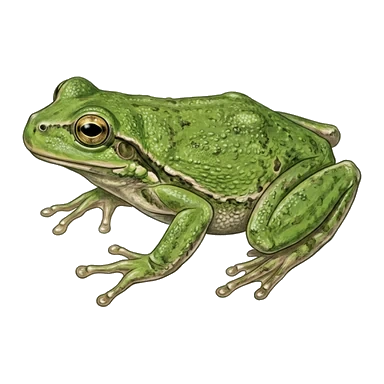
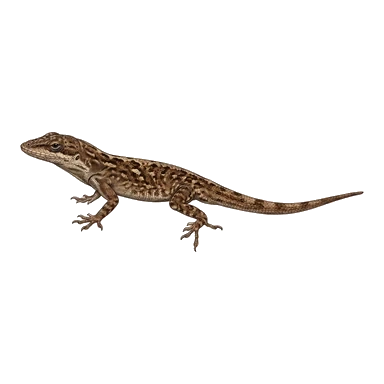
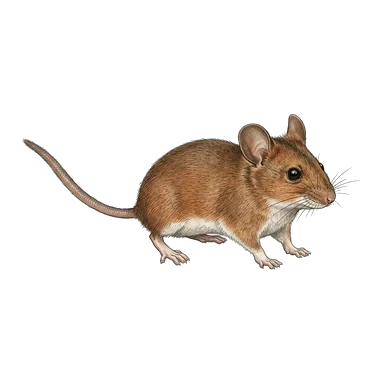
 ɛbɛtumi atu mita 100 wɔ anibu 100 mu (onipa a ɔwɔ ntɛm sen biara hia 9.6)
Cantil kɛseɛ te sɛn sɛ wode toto WO ho a?
Akontabuo kɛkɛ wɔ wo browser mu. Wɔnkora hwee, na wɔmfa hwee nkɔ baabiara.
Ne ntɛm te sɛn?


Nsɛm
Atosɛm sɛefoɔ
Atosɛm: The cantil has a reputation for having a nasty disposition and being extremely aggressive.
Nokorɛ: This reputation is probably not well deserved. The cantil is generally shy and relies on camouflage first, and it only displays or strikes when it has no other choice.1
Ma bɔre ho animdefoɔ
- Nyansahu din
- Agkistrodon bilineatus
- Kuo
- Pit viper
- Abusua
- Viperidae2
- Nhyehyɛeɛ (Order)
- Squamata
- Asaase akɛseɛ
- Amerika Atifi
- Mmofra nketewa
- Cantils are ovoviviparous, meaning they give birth to live young rather than laying eggs. They breed in spring and give birth to 5 to 20 young at a time.1
- Sɛdeɛ ɔte wɔ kwaem
- Near Threatened (IUCN Red List). Its population trend is down, and its primary ecological concern is habitat loss.1
- Asiane ma nnipa
- 4 / 5: Asiane kɛseɛ wom3
Baabi a nsɛm no fi
- Agkistrodon bilineatus (Wikipedia (CC BY-SA 4.0))
- Agkistrodon bilineatus (iNaturalist): din ne nkyekyɛmu.
- Venom Wiki: asiane gyinabea, kɛseɛ a ɛtaa yɛ ne ntɛm susuo no yɛ yɛn ankasa deɛ. Hwɛ sɛdeɛ yɛbu no: Sɛdeɛ yɛkyerɛ asiane gyinabea.
Nsɛm biara a ɛwɔ kratafa yi so wɔ nɔma a ɛkyerɛ ne fibea. Sɛ yɛfom biribi a, kafra, yɛyɛ mmoa ho akɔnnɔfoɔ, ɛnyɛ nyansahu nwoma. Ka kyerɛ yɛn wɔ [email protected] na yɛbɛsiesie.
 Ɔkɔm de akekantwerɛ no! Onipa baako na ɔyɛ Venom Wiki: ɛyɛ kwa, dawurubɔ nni so na biribiara nni so a ɛdi w'akyi. Akyɛdeɛ ketewa bi boa ma ɛkɔ so tena internet so.Ma akekantwere no aduane
 Terciopelo
 Eyelash viper
 Cottonmouth
 Eastern copperhead
 Central American bushmaster
 Martinique lancehead
 Eastern coral snake
 Eastern diamondback rattlesnake
 Timber rattlesnake
 Western diamondback rattlesnake
 Arizona bark scorpion
 Brown recluse