
 Abibirem
 Asia
Asia Yuropu
 Amerika Anaafoɔ
 Australia ne Oceania
 Antarctica
 Pacific Po
 Atlantic Po
 India Po
 Arctic Po
 Mediterranean Po
 Po Kɔkɔɔ
 Caribbean Po
 Coral Po
 China Anaafoɔ Po
 Philippine Po
 Andaman Po
 Atifi Po
 Timor ne Arafura Po
 Bengal Ɛpo Ano
 California Ɛpo Ano
Common cuttlefish
 Ka
KaThe common cuttlefish is a sea creature related to squid and octopuses. It is one of the largest and best-known cuttlefish species. It lives on sand and mud seabeds in the Mediterranean, North Sea and Baltic Sea.1
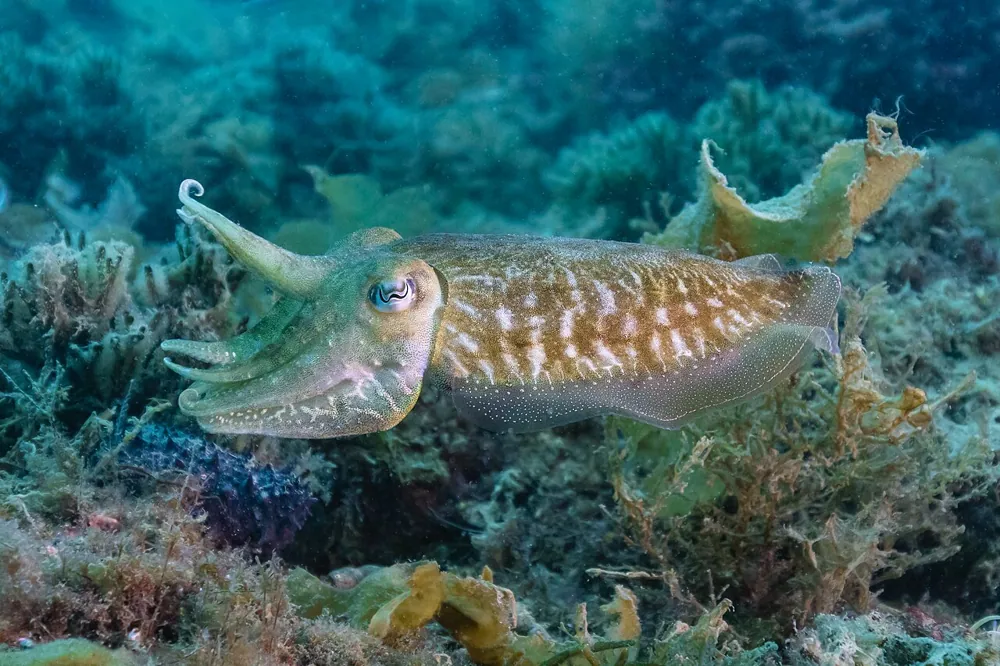
 Sɛdeɛ wobɛhunu no
- Two highly developed eyes and eight arms around the mouth, plus two longer feeding tentacles1
- An internal shell, the cuttlebone, on the back of the body1
- Males in breeding season show a bold black and white zebra pattern on the mantle1
- Females in breeding season show a uniform grey colour1
- Can change colour and skin texture to blend into its surroundings1
Bɔre ahoɔden
Bɔre fi ne se mu ba bere a ɔka.
Ne asiane ma nnipa te sɛn?
Asiane ma nnipa: Ɛnyɛ denƐte sɛ wowa wɔ anaa ɛnnu saa. Ɛkame ayɛ sɛ ɛnni asiane ma nnipa.Ɛyɛ dɛn bere a ehu aka no?
It hides by camouflage, sitting still while a predator passes. If found, it jets away using its siphon and often releases ink.1
 Sɛ ɛka a
- Pressure immobilisation: fa elastic bandage a ɛyɛ den kyekyere baabi a ɛkaa no so, na afei kyekyere kɔ soro wɔ nsa anaa nan no nyinaa so, fa splint kyekyere ho, na ma onipa no ntena dinn koraa kosi sɛ mmoa bɛba.
- Octopus a ɔwɔ nkaa bruu anaa cone snail betumi ama onipa agyae home bere a ɔda so nim deɛ ɛrekɔ so: frɛ ma wɔmmɛboa, na siesie wo ho sɛ wobɛhome ahyɛ n'ano mu (rescue breaths) kosi sɛ ambulance no bɛba abɛgye so.
Di kan frɛ wo ahohiahia nɔma (112, 000, 911). Yei yɛ mmoa a ɛdi kan ho akwankyerɛ, ɛnyɛ dɔkota afotuo. Mmoa a ɛdi kan ho nsɛm titiriw
 Hwɛ wo ho so
- Mfa wo nsa nka wiram aboa biara, nkyere no na mfa no nni agorɔ, sɛ ɔyɛ ketewa mpo, na sɛ ɛte sɛ ɔrededa anaa wawu mpo a.
- Ma no kwan. Sɛ wohyia baako a, ma wo bo nnwo, san w'akyi brɛoo na ma ɔnkɔ ne kwan.
- Sɛ baako ka wo a: ma wo bo nnwo, tena dinn, frɛ wo ahohiahia nɔma (112, 000, 911) anaa kɔ ayaresabea ntɛm. Kae sɛdeɛ na ɛte, mfonini bɛboa.
Ɛnhwehwɛ wo sɛ ɛbɛpira wo. Ɛde ne bɔre kyere aduane anaa ɛbɔ ne ho ban, na ɛpɛ sɛ ɛhinta sene biribiara. Nsɛm pii fa ahobammɔ ho
Wiase mu baabi bɛn?
Ne kɛseɛ te sɛn?
Ne tenten te sɛn?
Ne mu duru te sɛn?
 ne tenten te sɛ kwadu 2,5 a wɔde to ntoatoasoɔ mu
 ne tenten te sɛ agodeɛ blɔk 15 a wɔde to ntoatoasoɔ mu
 ne mu duru bɛyɛ sɛ fie agyinamoa
 ɛbɛtumi aguare aguare tare kɛseɛ tenten (50 m) wɔ anibu 12 mu
Common cuttlefish kɛseɛ te sɛn sɛ wode toto WO ho a?
Akontabuo kɛkɛ wɔ wo browser mu. Wɔnkora hwee, na wɔmfa hwee nkɔ baabiara.
Ne ntɛm te sɛn?

Nsɛm
Cuttlefish can change colour and skin texture within seconds, and this camouflage ability is present before they hatch, as young can change their pattern from inside the egg.1
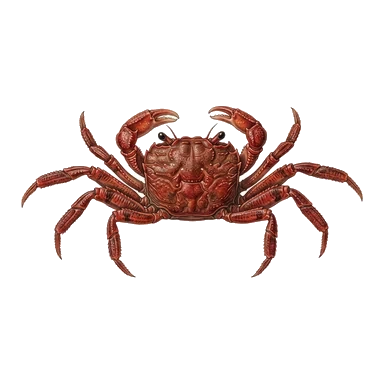
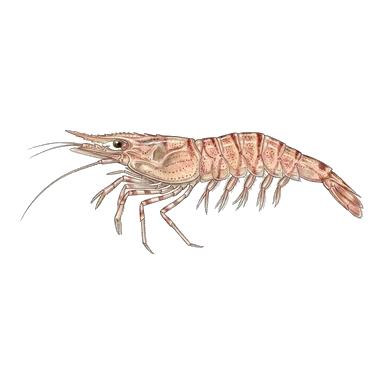
Young cuttlefish learn prey preferences before hatching. Embryos that see crabs later hunt crabs more often than shrimp.1
The colour sepia, a deep brown, is named after this cuttlefish and is extracted from its ink sac.1
Cuttlebones are sold as a source of calcium for pet parrots, and they help keep the bird's beak trimmed.1
Cuttlefish ink is used as a food ingredient that stains dishes deep black.1
Large numbers of cuttlefish die after spawning, and they usually live only up to 2 years.1
Ma bɔre ho animdefoɔ
- Nyansahu din
- Sepia officinalis
- Kuo
- Cone snails ne octopus
- Abusua
- Sepiidae2
- Nhyehyɛeɛ (Order)
- Sepiida
- Asaase akɛseɛ
- Atlantic Po, Mediterranean Po, Atifi Po, Po akɛseɛ
- Mmofra nketewa
- The female attaches between 150 and 4000 eggs to seaweed, shells or other surfaces. The eggs hatch after 30 to 90 days, depending on temperature, into miniature adults.1
- Mfeɛ a ɔtena ase
- bɛyɛ mfeɛ 21
- Sɛdeɛ ɔte wɔ kwaem
- Least Concern1
- Asiane ma nnipa
- 1 / 5: Ɛnyɛ den3
Baabi a nsɛm no fi
- Common cuttlefish (Wikipedia (CC BY-SA 4.0))
- Sepia officinalis (iNaturalist): din ne nkyekyɛmu.
- Venom Wiki: asiane gyinabea, kɛseɛ a ɛtaa yɛ ne ntɛm susuo no yɛ yɛn ankasa deɛ. Hwɛ sɛdeɛ yɛbu no: Sɛdeɛ yɛkyerɛ asiane gyinabea.
Nsɛm biara a ɛwɔ kratafa yi so wɔ nɔma a ɛkyerɛ ne fibea. Sɛ yɛfom biribi a, kafra, yɛyɛ mmoa ho akɔnnɔfoɔ, ɛnyɛ nyansahu nwoma. Ka kyerɛ yɛn wɔ [email protected] na yɛbɛsiesie.
 Ɔkɔm de akekantwerɛ no! Onipa baako na ɔyɛ Venom Wiki: ɛyɛ kwa, dawurubɔ nni so na biribiara nni so a ɛdi w'akyi. Akyɛdeɛ ketewa bi boa ma ɛkɔ so tena internet so.Ma akekantwere no aduane
Pii fi kuo korɔ no mu: Cone snails ne octopus
 Geography cone
 Greater blue-ringed octopus
 Southern blue-ringed octopus
 Blue sea dragon
 Common octopus
 Giant Pacific octopus
,_Parque_natural_de_la_Arr%C3%A1bida,_Portugal,_2020-07-21,_DD_62.jpg)
Ɔte nso wɔ: Atlantic Po
 Hawksbill sea turtleMmoa afoforɔ a wɔn ho yɛ awuduroƐtumi kum
 Portuguese man o' warJellyfish ne ɛpo mu mmoa a wɔwɔƐhia dɔkotaMfa wo nsa nka
 Greenland sharkMmoa afoforɔ a wɔn ho yɛ awuduroƐyɛ yaw kɛkɛ
 Lion's mane jellyfishJellyfish ne ɛpo mu mmoa a wɔwɔƐyɛ yaw kɛkɛMfa wo nsa nka
 Moon jellyfishJellyfish ne ɛpo mu mmoa a wɔwɔƐnni asiane
 Common stingrayApataa a wɔwɔ bɔreƐhia dɔkota