
 Abibirem
 Asia
Asia Yuropu
 Amerika Anaafoɔ
 Australia ne Oceania
 Antarctica
 Pacific Po
 Atlantic Po
 India Po
 Arctic Po
 Mediterranean Po
 Po Kɔkɔɔ
 Caribbean Po
 Coral Po
 China Anaafoɔ Po
 Philippine Po
 Andaman Po
 Atifi Po
 Timor ne Arafura Po
 Bengal Ɛpo Ano
 California Ɛpo Ano
Lesser weever
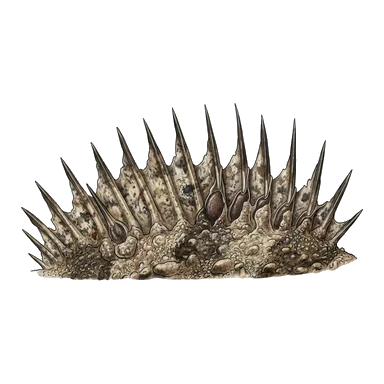 Nsɔe a bɔre wom
The lesser weever is a small, venomous fish that lies buried in sand on the sea floor, often close to the shore. Its venom is strong, and it is considered one of Europe's most dangerous weever species because it lives near beaches where people swim.1
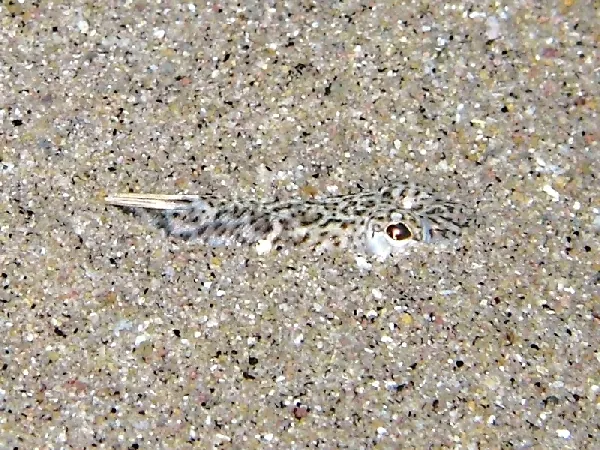
 Sɛdeɛ wobɛhunu no
Bɔre ahoɔden
Nsɔe a ano yɛ nnam na ɛkura bɔre no. Sɛ wotiatia so anaa wosɔ mu a, ɛyɛ yaw.
Ne bɔre yɛ dɛn?
The venom contains trachinine, a cytolysin (a substance that breaks down cells), along with serotonin, histamine-releasing substances and various enzymes. The sting causes acute and intense pain that often spreads to the area around the limb, and it peaks about 30 minutes after the sting. Swelling, redness, numbness, tingling, nausea and vomiting are common, and rare severe effects include abnormal heart rhythms, seizures, decreased blood pressure and unconsciousness.1
Ne asiane ma nnipa te sɛn?
Asiane ma nnipa: Ɛyɛ denSɛ ne nsɔe hyɛ wo mu a, kɔ dɔkota nkyɛn. Ɛntaa nkum obi koraa.The lesser weever can sting swimmers badly if they disturb it in the water, and fishermen can be stung when cleaning their nets. Because of its venom and its occurrence near beaches, it is considered one of Europe's most dangerous weever species. Some pain may continue for up to 24 hours.1
Ɛyɛ dɛn bere a ehu aka no?
It rests buried in the sand with only its eyes and the tip of its first dorsal fin exposed, and it stings when disturbed.1
 Sɛ ne nsɔe hyɛ wo mu a
- Wash the wound, then immerse it in very hot water for at least an hour to ease the pain and help destroy the protein-based venom. The water should be 40 °C (104 °F) or as hot as the patient can tolerate. Reassure the patient that the sting is relatively harmless.1
- Fa kuro no hyɛ nsuo hyew mu, ɛnyɛ hyew sene deɛ onipa no betumi agyina a ɛnhye no (fa wo ankasa wo nsa sɔ hwɛ), simma 30 kɔsi 90. Hwehwɛ dɔkota mmoa, titiriw ma stonefish ne stingray.
Di kan frɛ wo ahohiahia nɔma (112, 000, 911). Yei yɛ mmoa a ɛdi kan ho akwankyerɛ, ɛnyɛ dɔkota afotuo. Mmoa a ɛdi kan ho nsɛm titiriw
 Hwɛ wo ho so
- Mfa wo nsa nka wiram aboa biara, nkyere no na mfa no nni agorɔ, sɛ ɔyɛ ketewa mpo, na sɛ ɛte sɛ ɔrededa anaa wawu mpo a.
- Ma no kwan. Sɛ wohyia baako a, ma wo bo nnwo, san w'akyi brɛoo na ma ɔnkɔ ne kwan.
- Sɛ ne nsɔe hyɛ wo mu a: ma wo bo nnwo, tena dinn, frɛ wo ahohiahia nɔma (112, 000, 911) anaa kɔ ayaresabea ntɛm. Kae sɛdeɛ na ɛte, mfonini bɛboa.
Ɛnhwehwɛ wo sɛ ɛbɛpira wo. Ɛde ne bɔre kyere aduane anaa ɛbɔ ne ho ban, na ɛpɛ sɛ ɛhinta sene biribiara. Nsɛm pii fa ahobammɔ ho
Wiase mu baabi bɛn?
Ne kɛseɛ te sɛn?
Ne tenten te sɛn?
 ne tenten te sɛ agodeɛ blɔk 9 a wɔde to ntoatoasoɔ mu
 ɛbɛtumi aguare aguare tare kɛseɛ tenten (50 m) wɔ anibu 43 mu
Lesser weever kɛseɛ te sɛn sɛ wode toto WO ho a?
Akontabuo kɛkɛ wɔ wo browser mu. Wɔnkora hwee, na wɔmfa hwee nkɔ baabiara.
Ne ntɛm te sɛn?
Nsɛm
It has the most potent toxin of all the weevers.1
Pain from its sting usually peaks about 30 minutes after the sting.1
Its venom contains trachinine, a cytolysin that breaks down cells.1
Very rarely, sting pain spreads to the lymph nodes in the groin or armpit.1
Its venom glands are on the first dorsal fin and on the gill cover.1
Baabi a nsɛm no fi
- Lesser weever (Wikipedia (CC BY-SA 4.0))
- Echiichthys vipera (iNaturalist): din ne nkyekyɛmu.
- Venom Wiki: asiane gyinabea, kɛseɛ a ɛtaa yɛ ne ntɛm susuo no yɛ yɛn ankasa deɛ. Hwɛ sɛdeɛ yɛbu no: Sɛdeɛ yɛkyerɛ asiane gyinabea.
Nsɛm biara a ɛwɔ kratafa yi so wɔ nɔma a ɛkyerɛ ne fibea. Sɛ yɛfom biribi a, kafra, yɛyɛ mmoa ho akɔnnɔfoɔ, ɛnyɛ nyansahu nwoma. Ka kyerɛ yɛn wɔ [email protected] na yɛbɛsiesie.
 Ɔkɔm de akekantwerɛ no! Onipa baako na ɔyɛ Venom Wiki: ɛyɛ kwa, dawurubɔ nni so na biribiara nni so a ɛdi w'akyi. Akyɛdeɛ ketewa bi boa ma ɛkɔ so tena internet so.Ma akekantwere no aduane
Pii fi kuo korɔ no mu: Apataa a wɔwɔ bɔre
 Reef stonefishApataa a wɔwɔ bɔreƐtumi kumMfa wo nsa nka
 Red lionfishApataa a wɔwɔ bɔreƐhia dɔkotaMfa wo nsa nka
 Estuarine stonefishApataa a wɔwɔ bɔreƐtumi kumMfa wo nsa nka
 Short-tail stingrayApataa a wɔwɔ bɔreƐtumi kum
 Striped eel catfishApataa a wɔwɔ bɔreƐtumi kumMfa wo nsa nka
 Bluespotted ribbontail rayApataa a wɔwɔ bɔreƐhia dɔkota
Ɔte nso wɔ: Atlantic Po
 Hawksbill sea turtleMmoa afoforɔ a wɔn ho yɛ awuduroƐtumi kum
 Portuguese man o' warJellyfish ne ɛpo mu mmoa a wɔwɔƐhia dɔkotaMfa wo nsa nka
 Blue sea dragonCone snails ne octopusƐyɛ yaw kɛkɛ
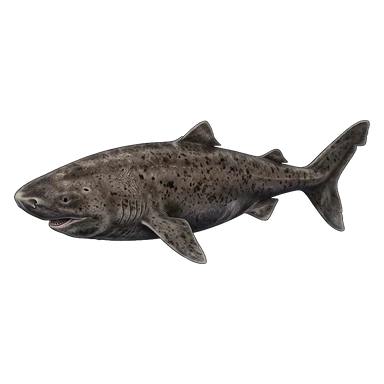 Greenland sharkMmoa afoforɔ a wɔn ho yɛ awuduroƐyɛ yaw kɛkɛ
 Lion's mane jellyfishJellyfish ne ɛpo mu mmoa a wɔwɔƐyɛ yaw kɛkɛMfa wo nsa nka
 Common octopusCone snails ne octopusƐnni asiane